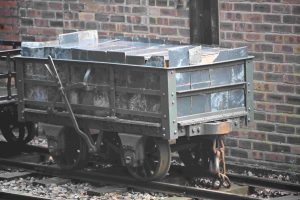
Photographs of narrow gauge railways tend to focus on the locomotives, whereas other rolling stock, particularly goods wagons, seldom draw attention. On recent visits to preserved narrow gauge railways, I have turned my camera towards the variety of historically important goods wagons on display or lying neglecting in sidings. Some of the many types of goods wagons are illustrated here by skips, tubs, hoppers and vans.
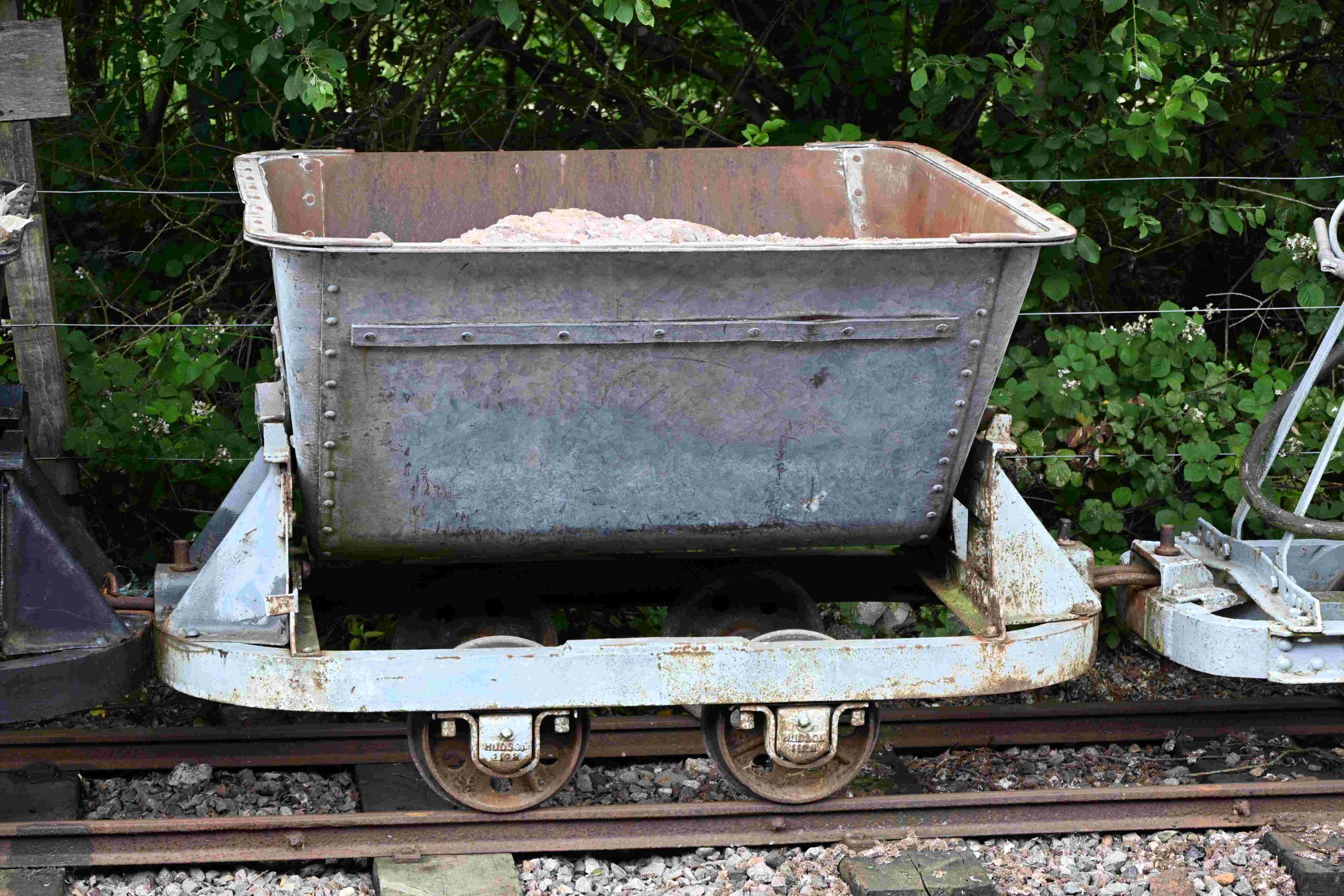
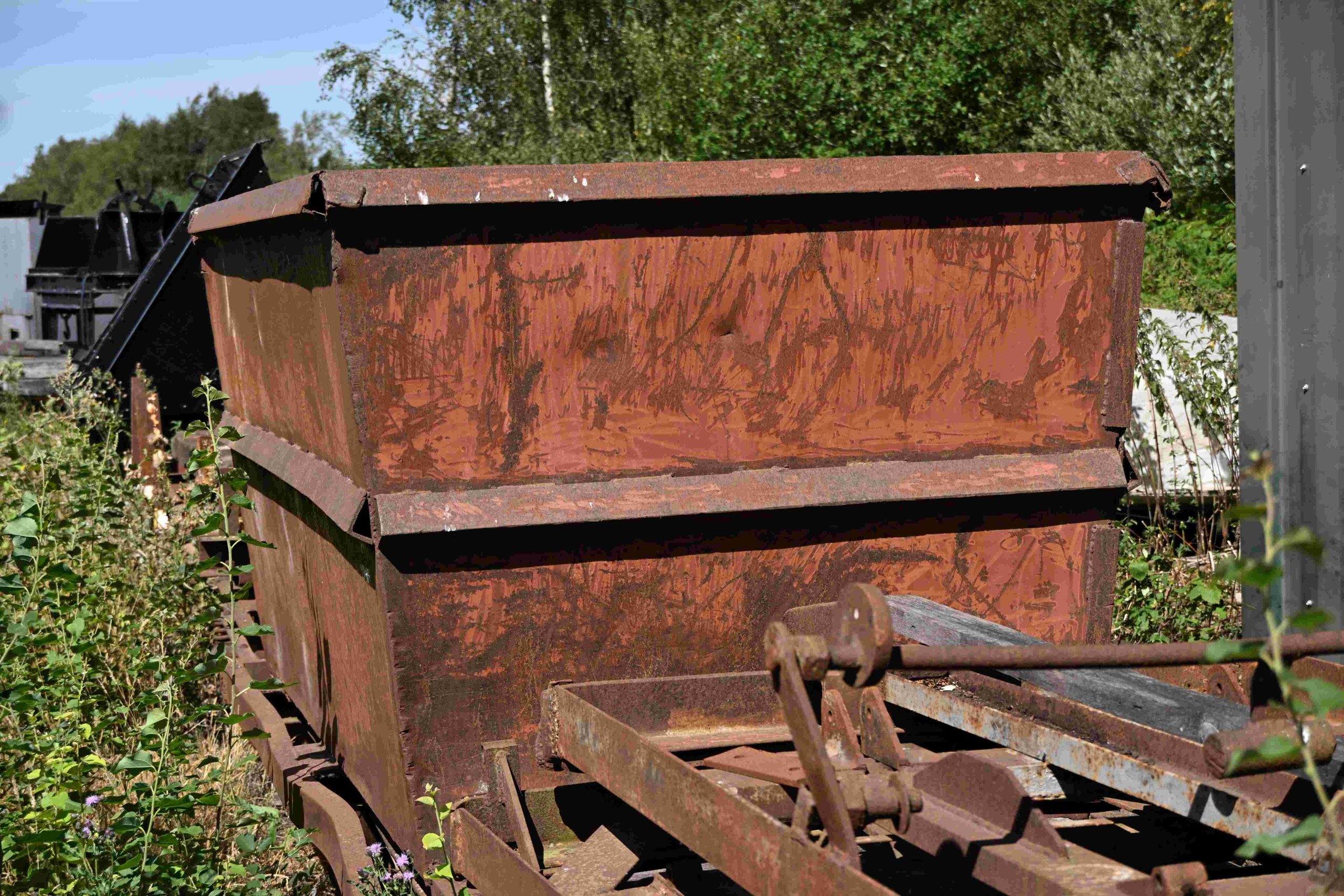
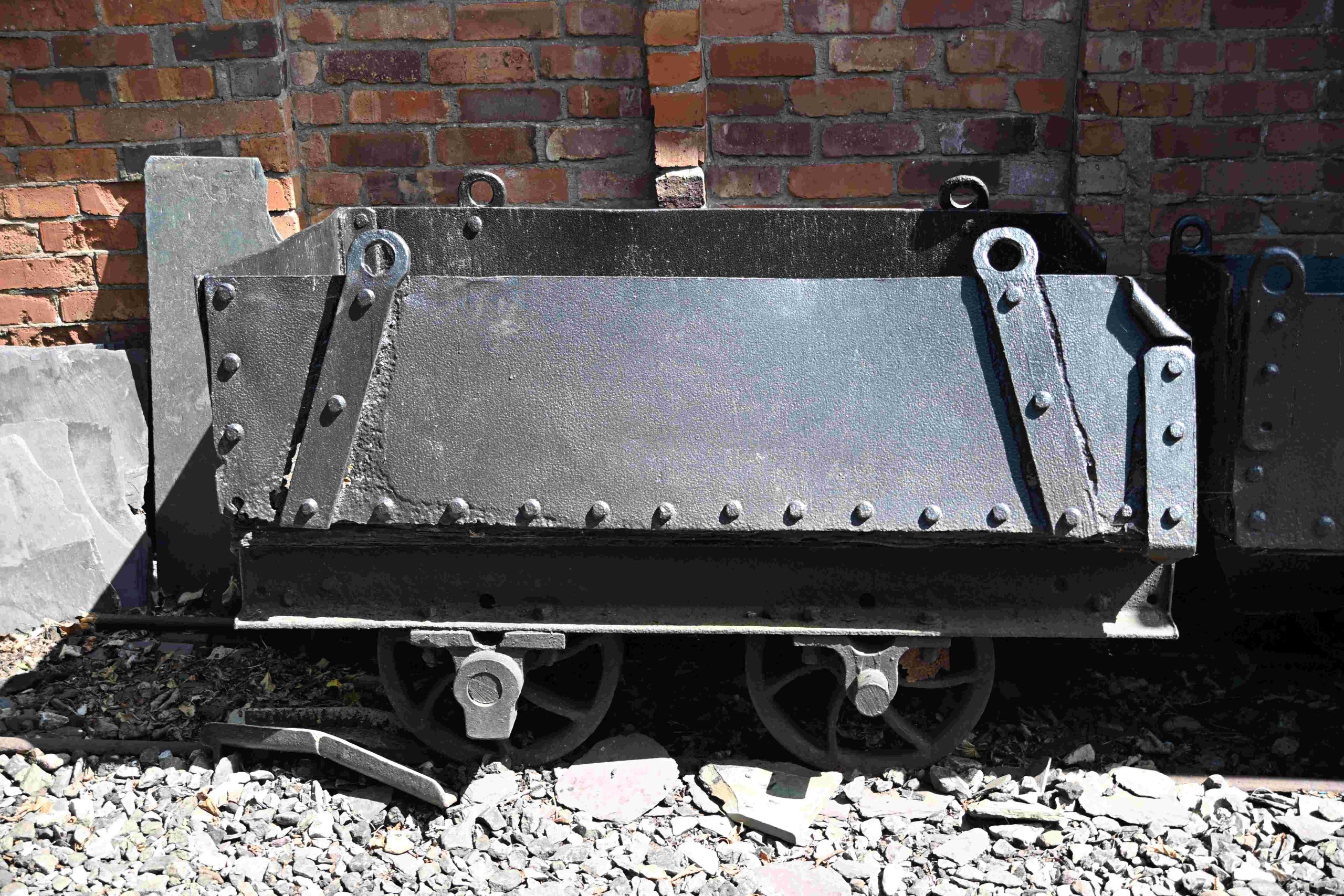
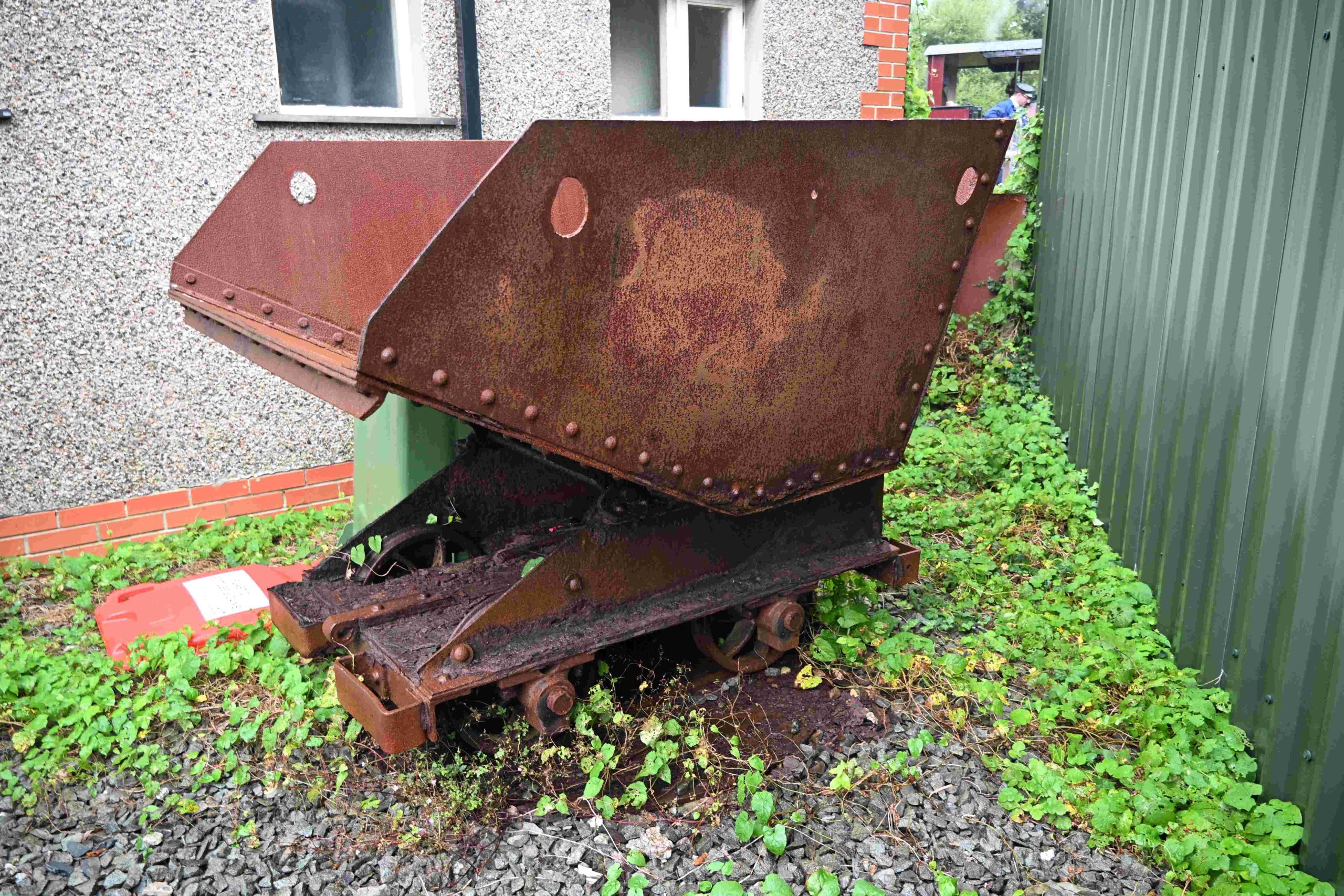
Photograph 1 – V-skip at Apedale Valley Light Railway. Photograph 2 – U-skip at Apedale Valley Light Railway.
Skips are used to transport bulk materials with the design allowing ease of unloading. Often referred to as Hudson skips, there were other manufacturers of skips such as Allen, McLachlan and Orenstein & Koppel. Over time, metal skips appear to have replaced wooden, side-tipping wagons in many industries. The bucket section that hold the material is most often a V shape but some industries favoured a U shape.
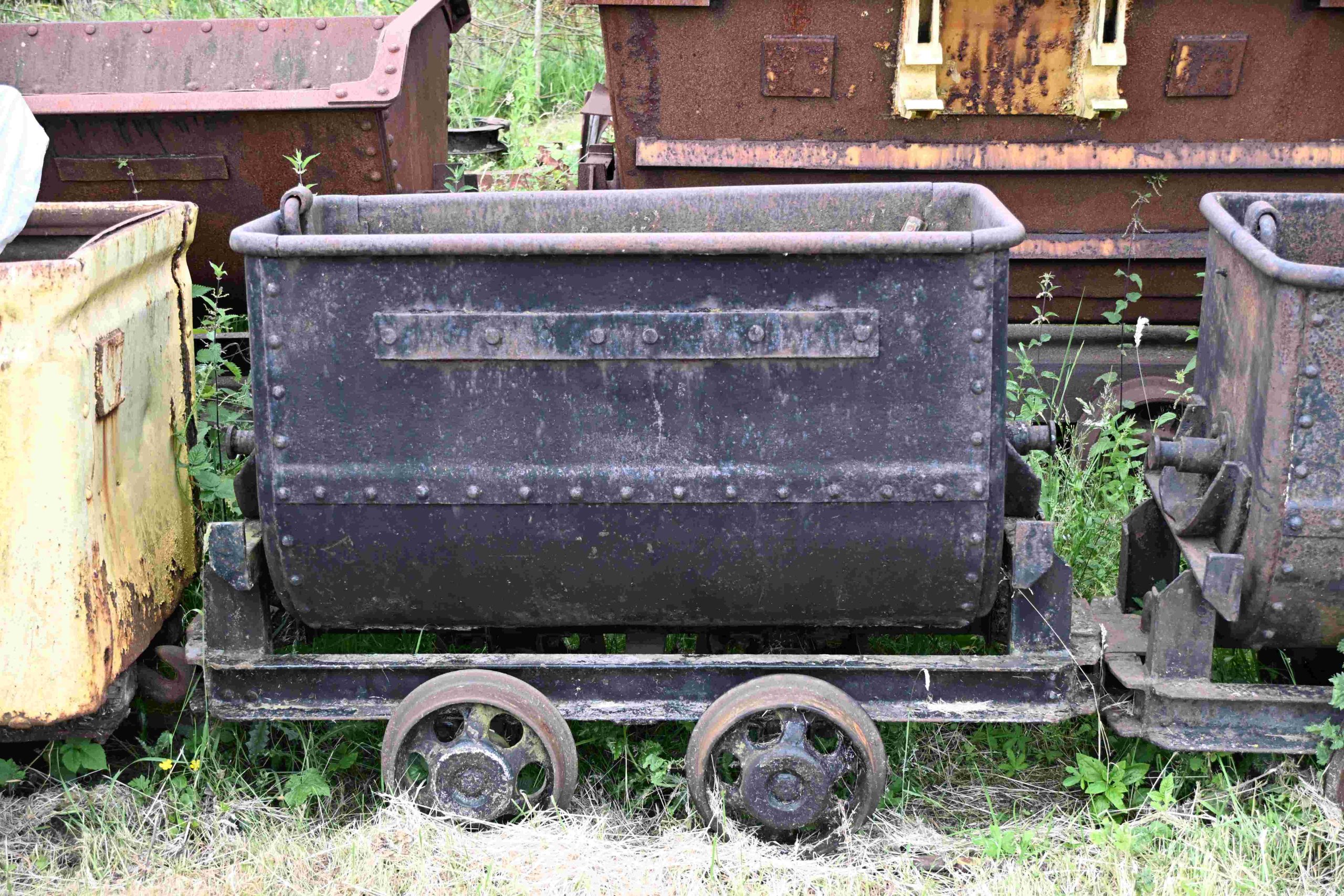
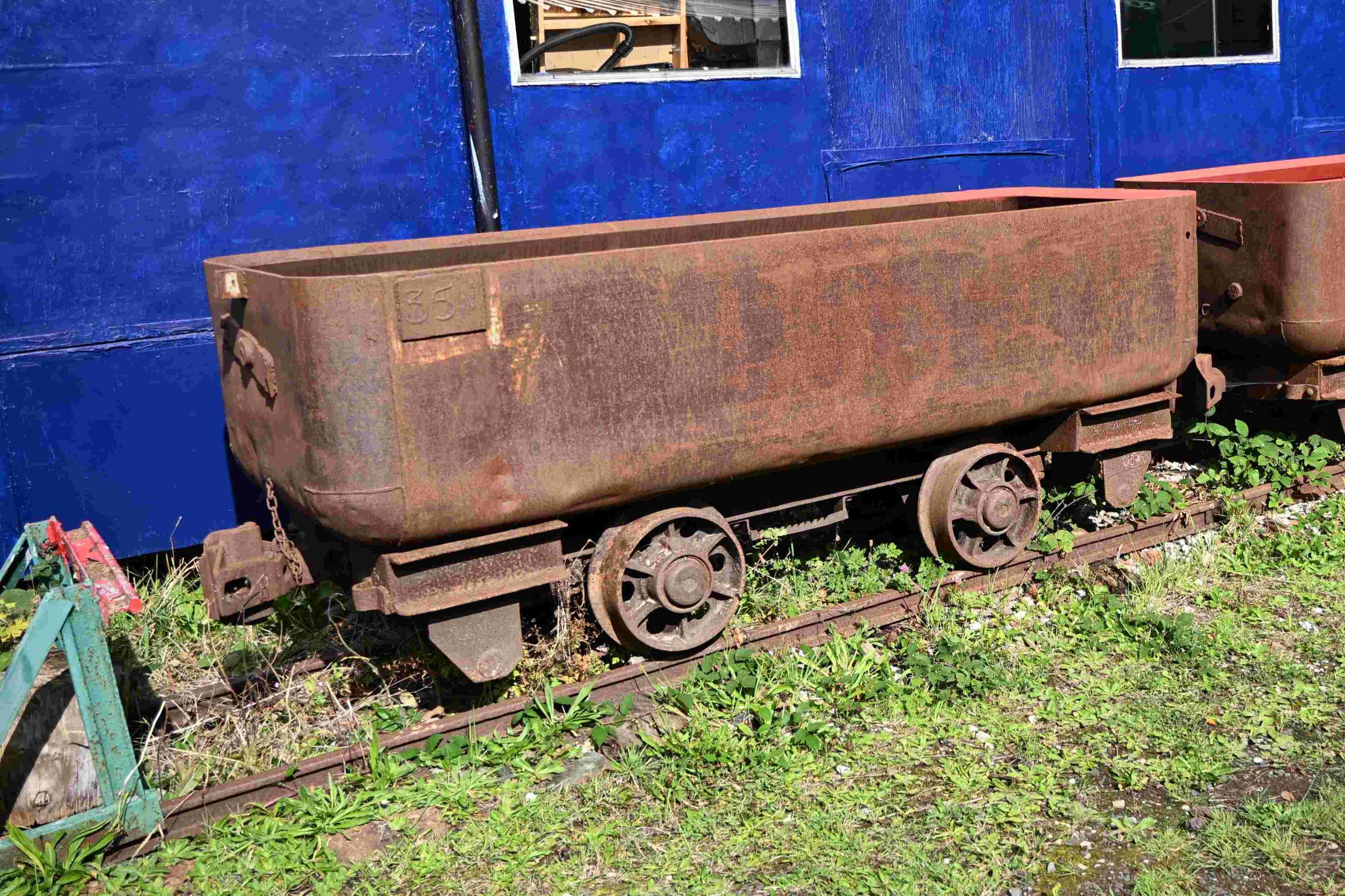
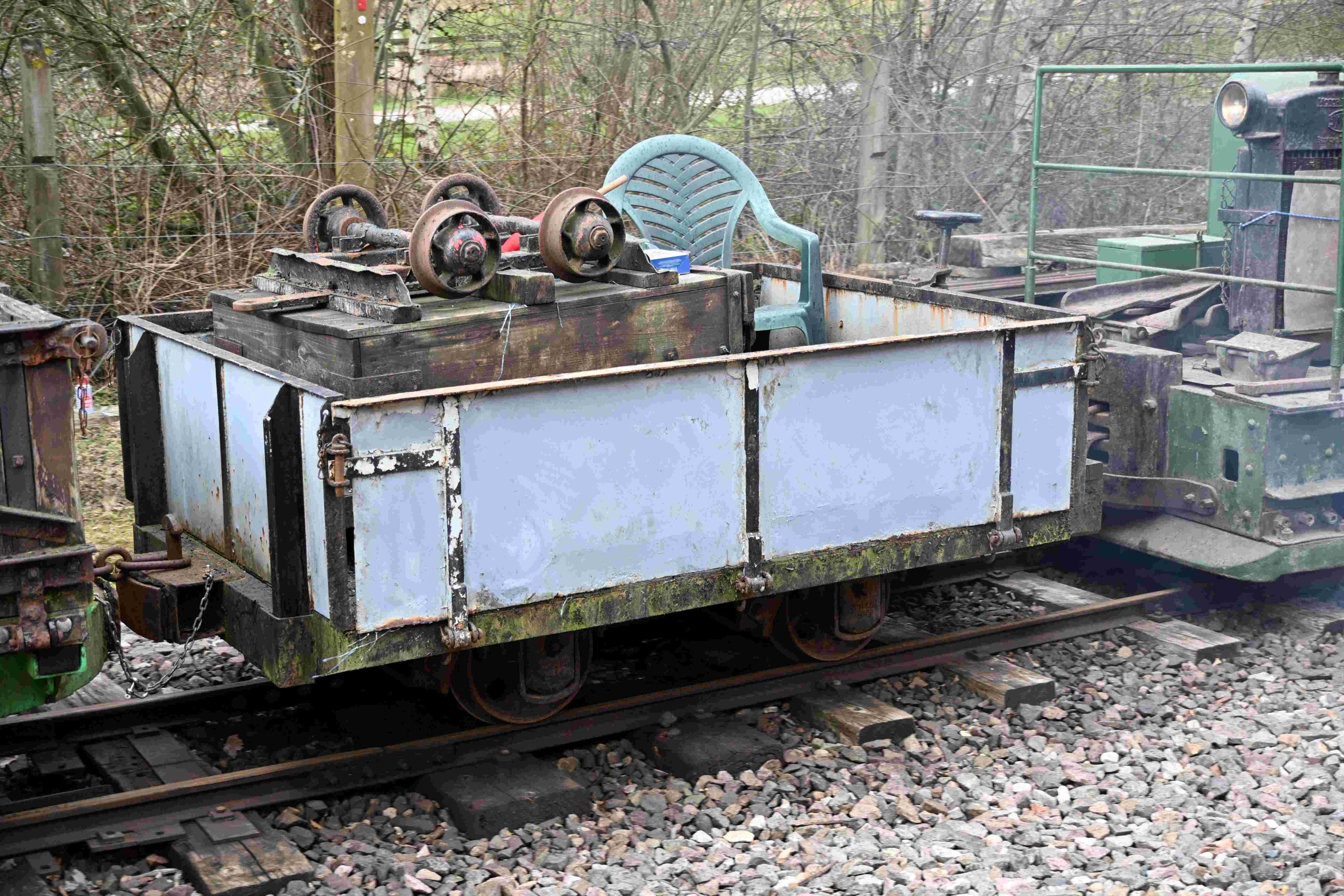
Photograph 3 – Coal tub from Footrail Colliery at Apedale Valley Light Railway. Photograph 4 – Coal tub from Astley Green Colliery at the Lancashire Mining Museum.
Mining, and quarrying, required small, sturdy open wagons, known as tubs, to transport material to the surface for onward shipment. The capacity of tubs was limited by the available motive power, be it human, horse, cable or diesel locomotive. Surviving coal and clay tubs are of an all-metal construction with a gauge that varies according to the particular mining operation. Tubs were emptied by mechanical tipplers that up-ended the wagon.
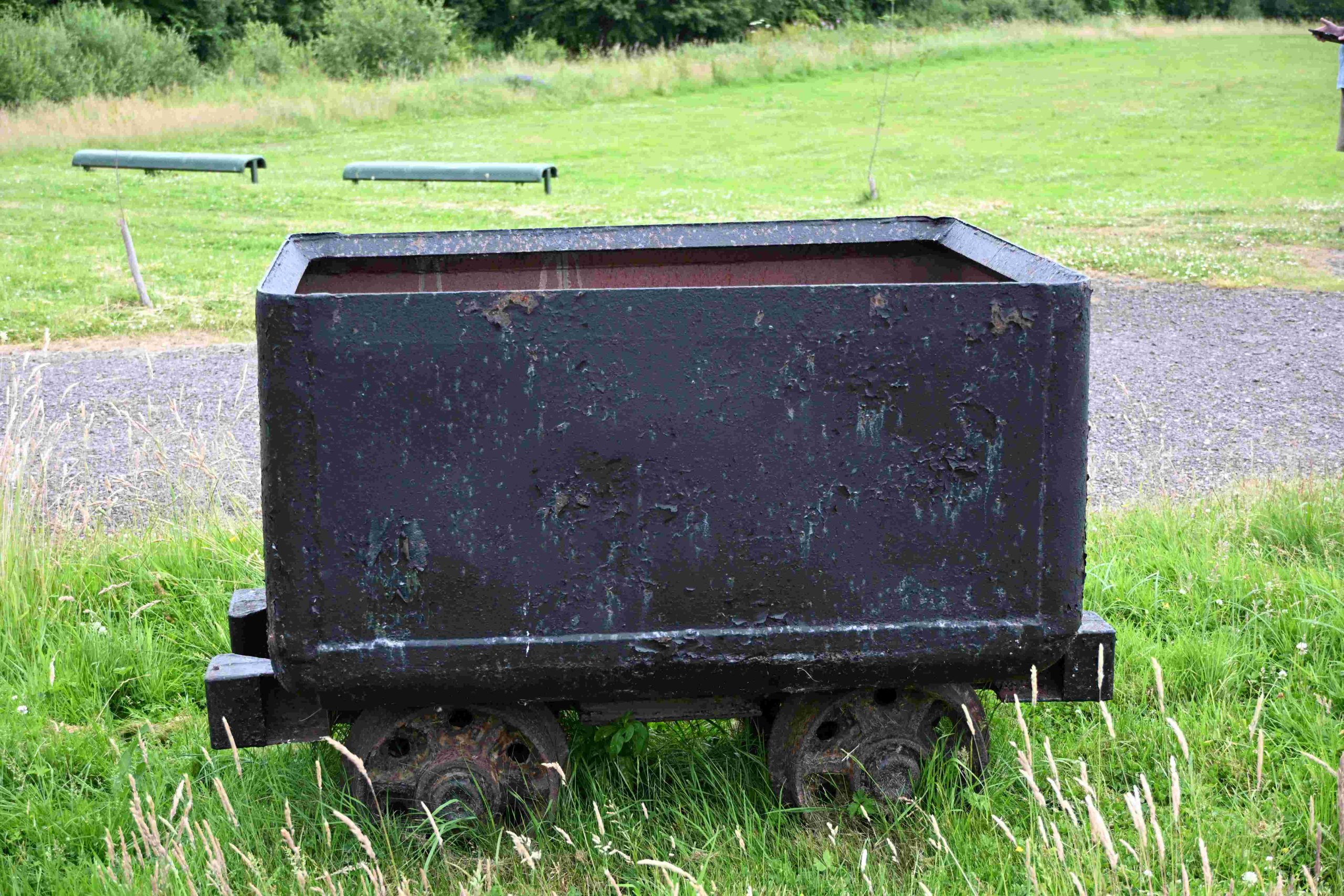
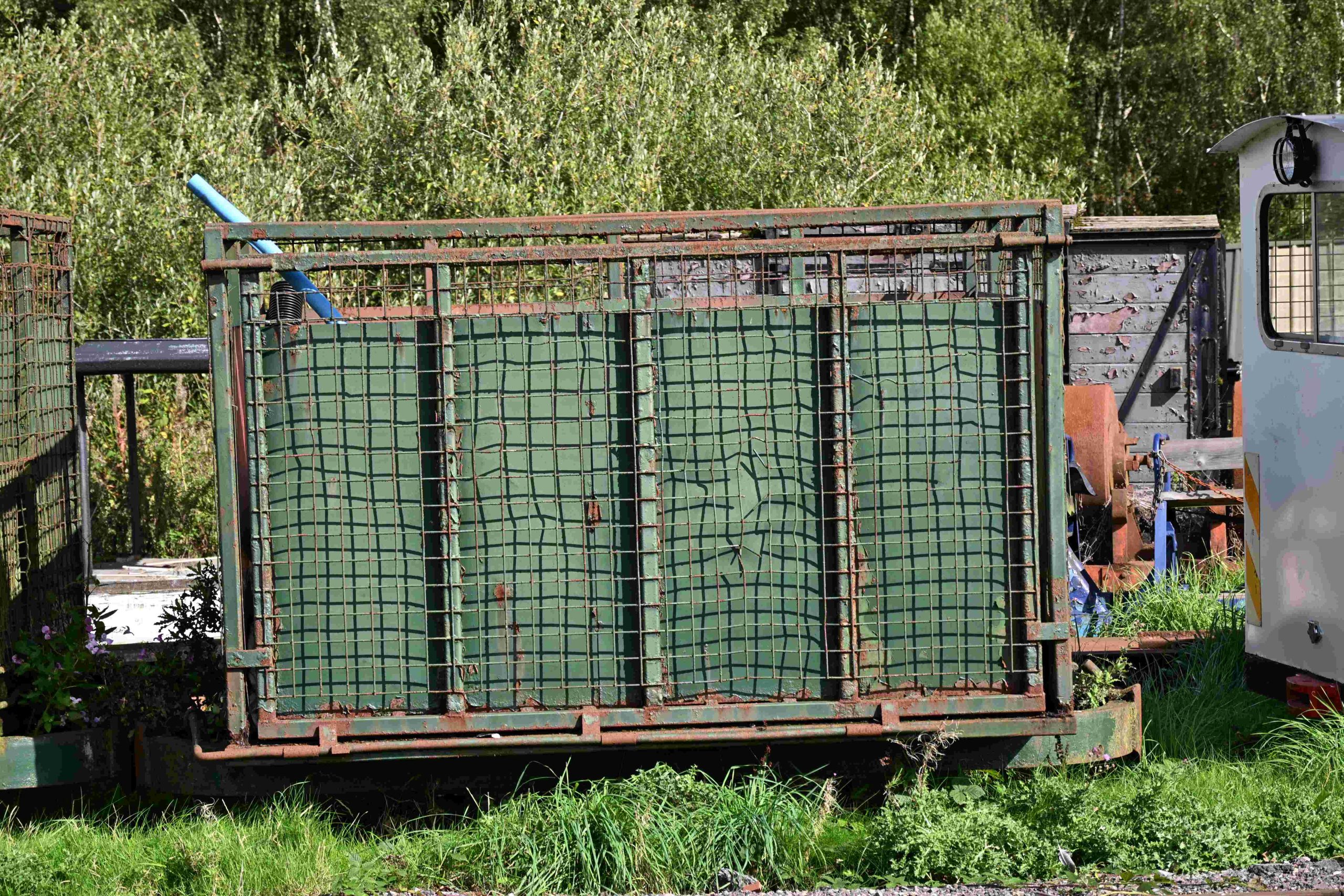
Photograph 5 - Cut peat wagon adapted to carry milled peat at Apedale Valley Light Railway. Photograph 6 – Peat wagon for milled peat at Crowle Peatland Railway.
Peat railways, by contrast, needed large volume open wagons hauled in long trains hauled by diesel locomotives. In England and Scotland, peat was extracted for uses in horticulture and agriculture but in Ireland peat was largely used as a fuel in power stations. These open wagons were originally of wire cage construction for dug peat but, as mechanical milling of peat became widespread, the wagons needed solid sides to contain the finer material.
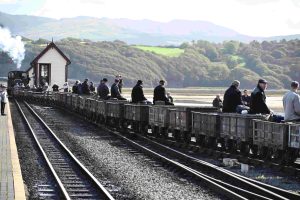
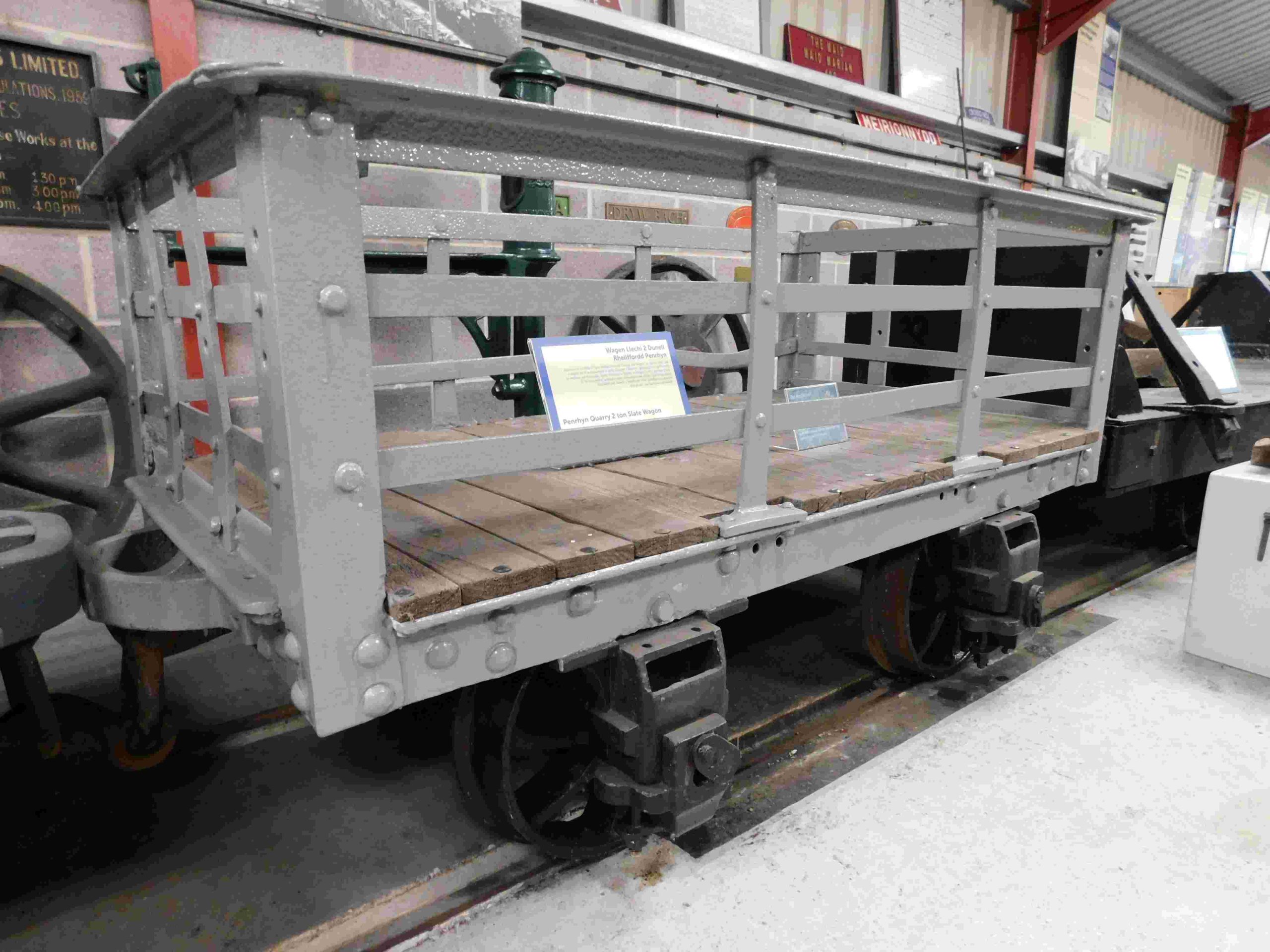
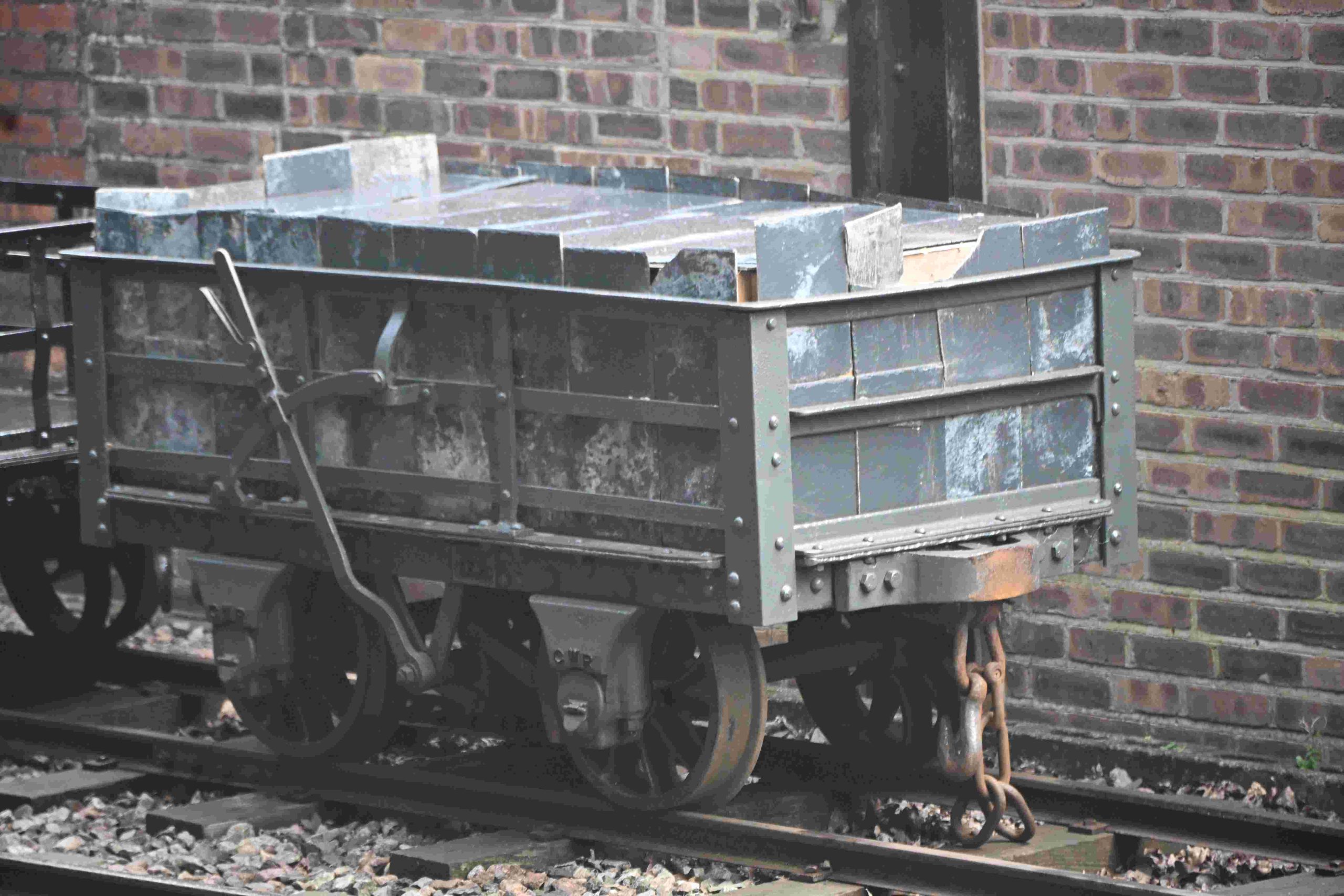
Photograph 7 – Penrhyn 2 ton slate wagon at Bala Lake Railway. Photograph 8 – GWR 2 ton slate wagon at Apedale Valley Light Railway.
Welsh slate quarries developed wagons with side and end bars to carry roofing slates from the quarries to ports or standard gauge railway exchange sidings. The slate wagons were initially built of wood, that had the benefit of protecting the slates by absorbing shocks. Later slate wagons were made of iron, that required less maintenance compared to wooden wagons. Slate wagons were manufactured by railway companies and by the quarry workshops.
Photograph 9 – Slate waste wagon at the West Lancashire Light Railway. Photograph 10 – Penrhyn 'devil' wagon at the Welsh Highland Heritage Railway.
Slate quarrying generated large amounts of waste rock that needed to be transported for disposal. Three sided, iron-bodied open wagons were in common use, that had a short wheelbase to aid tipping. Many had rings for lifting with cranes. In later years, mechanical excavators required much larger capacity tipping wagons. Those at Penrhyn acquired the name devil wagons, partly due to difficulty in manhandling and partly related to the nickname of the American excavators.
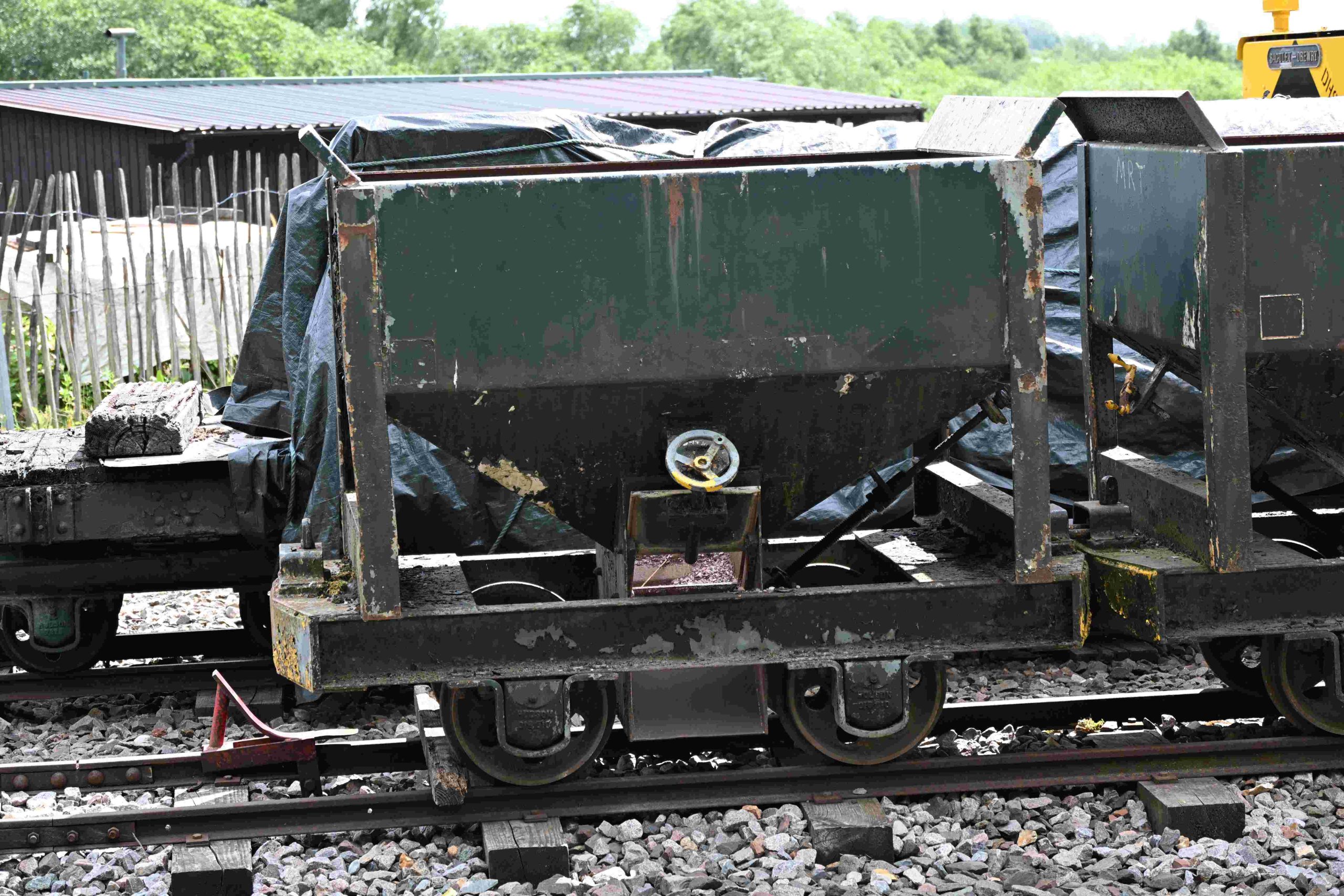
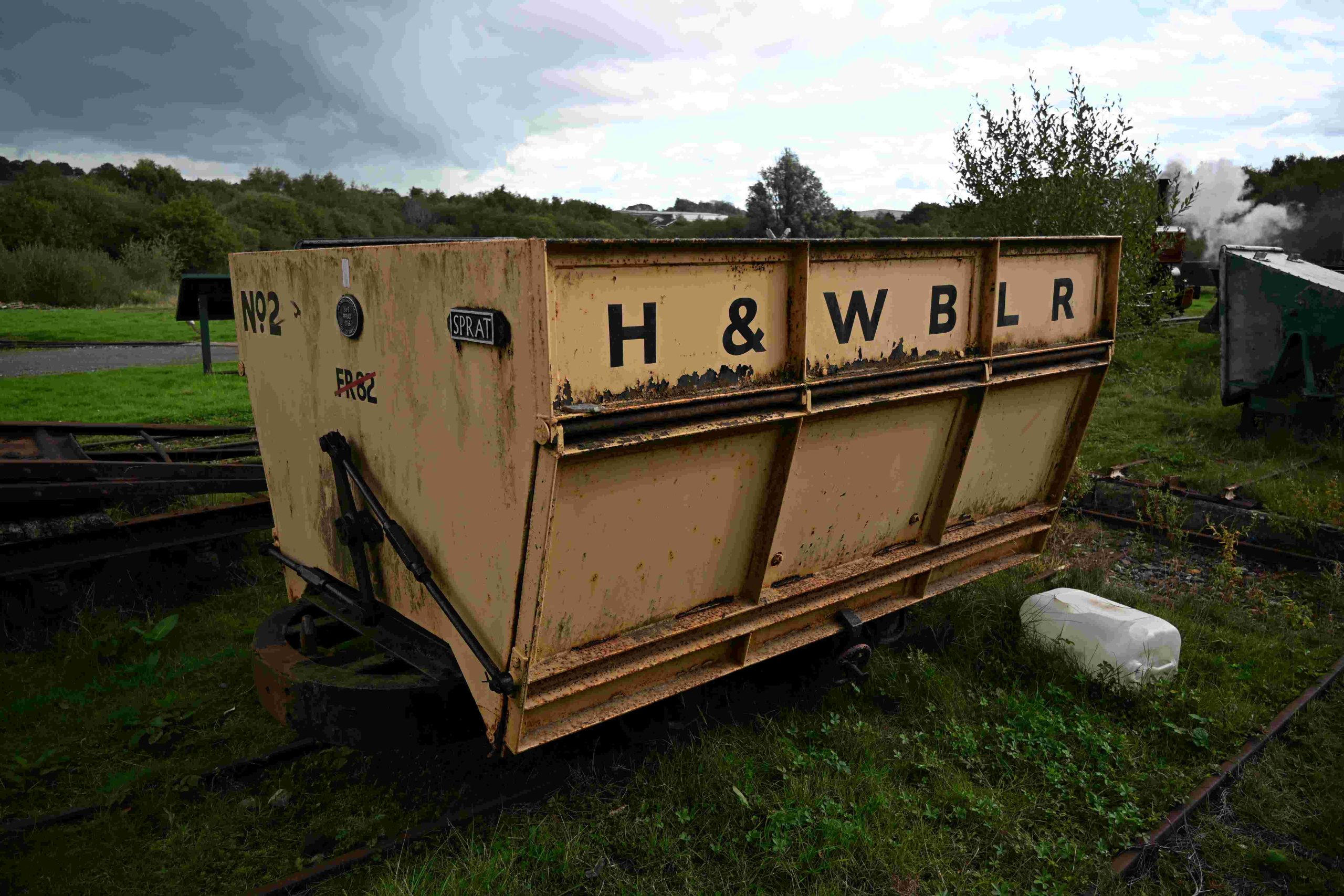
Photograph 11 – Small hopper ballast wagon at Apedale Valley Light Railway. Photograph 12 – Ffestiniog Railway hopper ballast wagon at Apedale Valley Light Railway
Snailbeach District Railway in Shropshire used hopper wagons to transport granite and lead ore. Hopper wagons, with side discharge, are often used nowadays on ballasting duties on preserved narrow gauge lines. Ffestiniog ballast hopper, wagon number 82, was built as a one off in 1987 and was nicknamed the Hoppity Hopper. This wagon was rebuilt in 2016 by the Brookside Engine Company before eventually arriving for permanent way duties at Apedale Valley Light Railway.
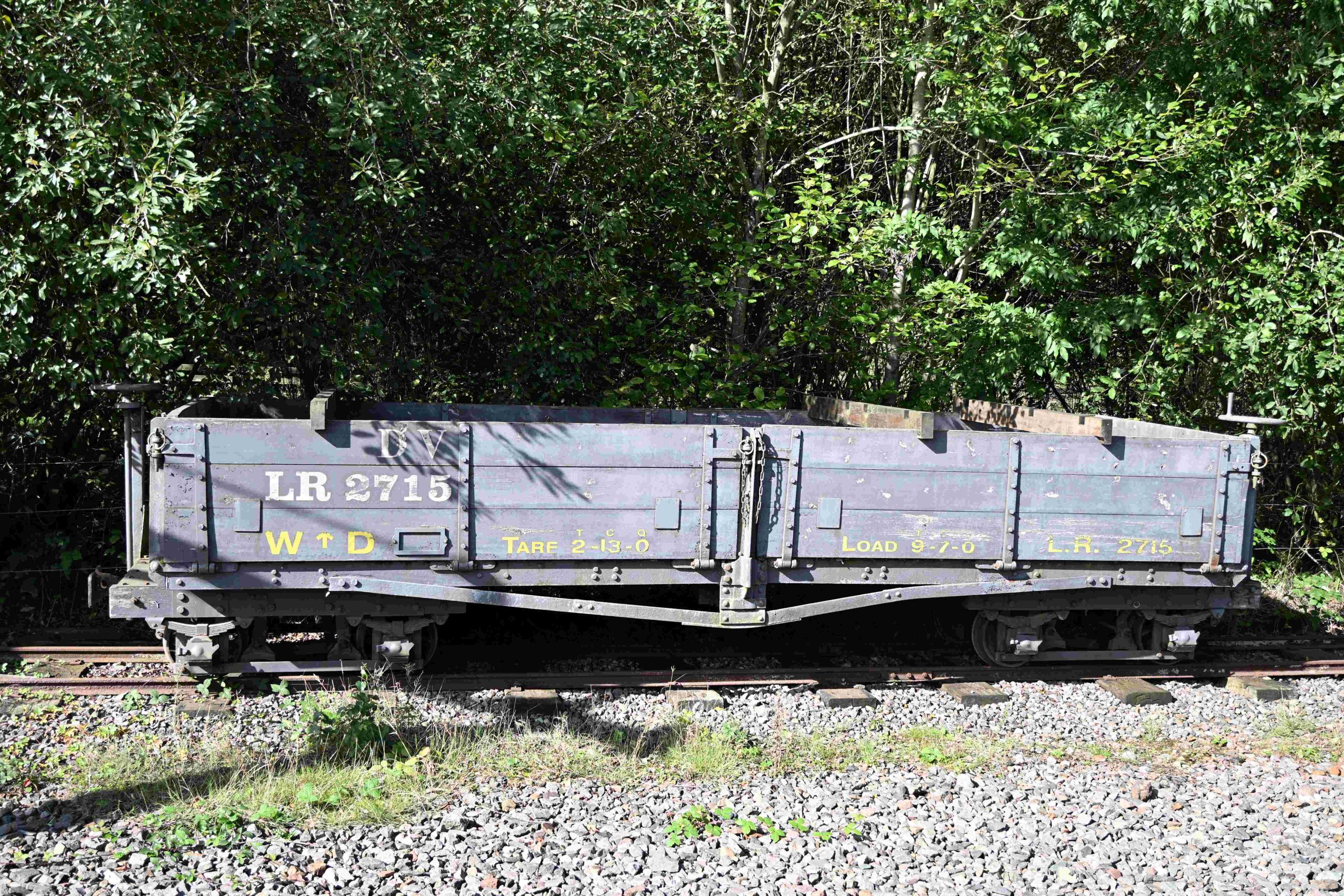
Photograph 13 – WDLR Class D wagon at Apedale Valley Light Railway. Photograph 14 - RAF Fauld ammunition wagon at Apedale Valley Light Railway.
Military surplus wagons have always found a ready market among narrow gauge railways. After the First World War, the War Department Light Railway (WDLR) D Class bogie, open wagons were especially sought after and were used, for example, on the Ashover Light Railway to transport limestone and minerals. Hudson four-wheel and bogie open wagons came on the market after the closure of RAF Fauld underground bomb storage facility from 1966.
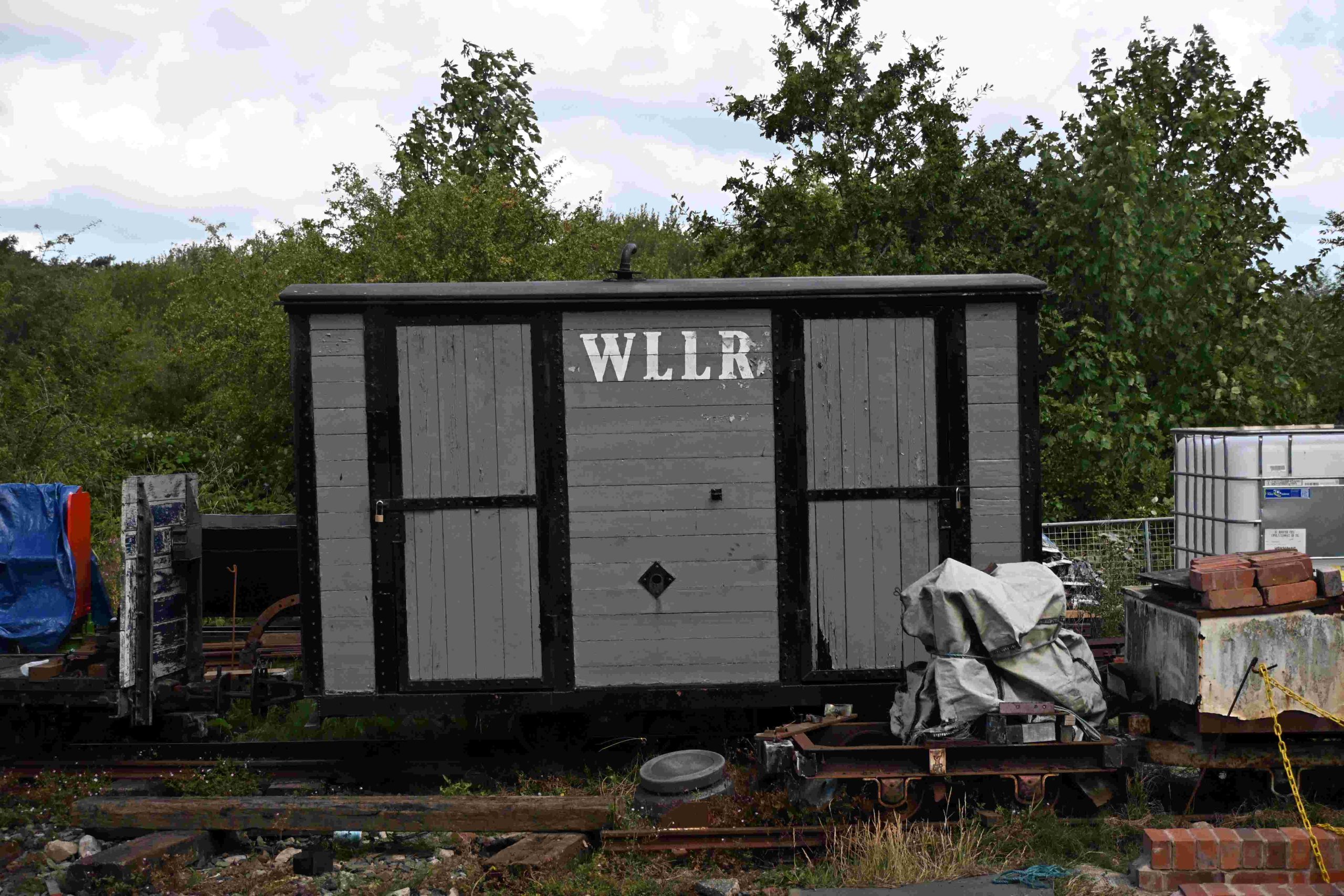
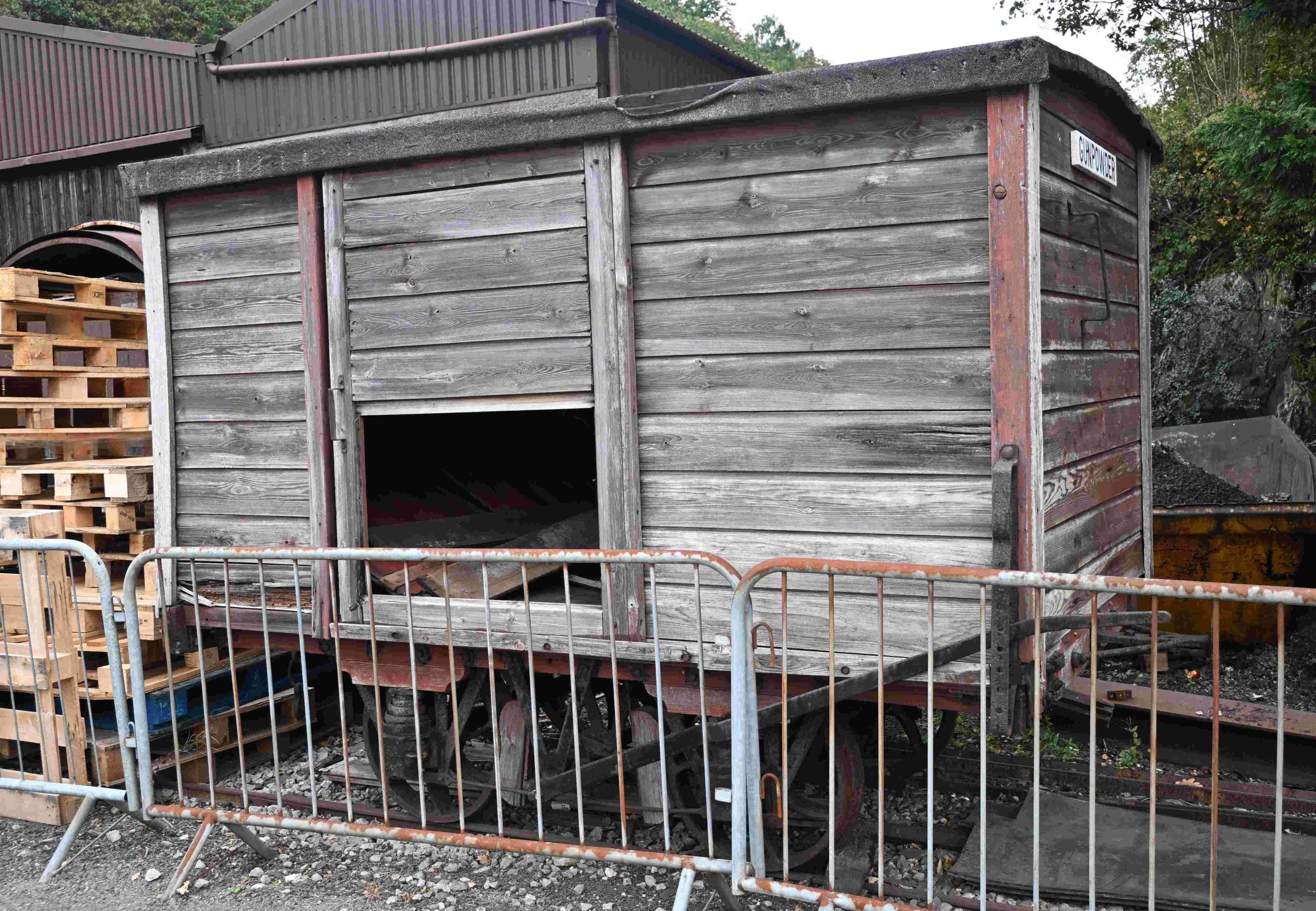
Photograph 15 – RNAD van at the West Lancashire Light Railway. Photograph 16 - Low Wood Gunpowder Works van at the Lakeside & Haverthwaite Railway.
Covered wagons, or vans, have also found a use on narrow gauge railways for keeping goods dry and secure in transit. Among these vans are examples that came from the closure of a number of Royal Naval Armaments Depots (RNAD). A unique survivor is a van from the Low Wood Gunpowder Works in the Lake District, that closed in 1935. This wooden van was used to transport explosives from the factory to exchange sidings at Haverthwaite Station.
Alan Poxon November 2026