Narrow Gauge Battery Electric Locomotives

Battery electric locomotives eliminate exhaust emissions associated with diesel engines, these include such unwelcome substances as carbon dioxide, nitrogen oxides and soot. Additionally, battery electric locomotives are quieter, require less maintenance and reduce fuel costs compared to internal combustion engines. Electric motors provide instant power and faster acceleration than diesel engines. All these factors combined make narrow gauge battery electric traction ideal for industrial and civil engineering use, particularly in confined spaces.

Volt on arrival at Boston Lodge on the Ffestiniog Railway.

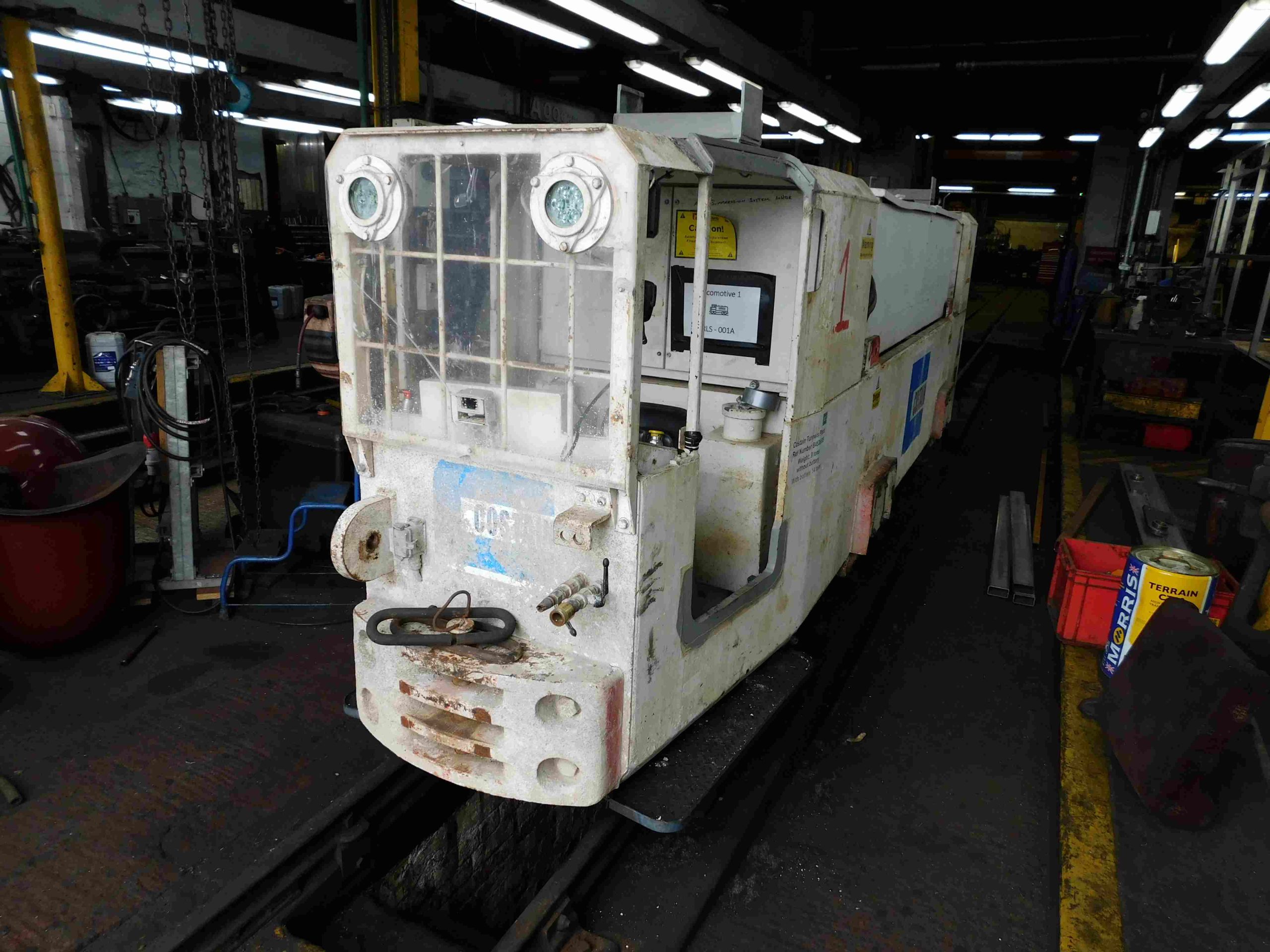
In 2023, the Ffestiniog Railway acquired two battery electric tunnelling locomotives that are to be converted into works shunters at Boston Lodge. Named Amp and Volt, the two Clayton locomotives were built in 2013 for Costain Group who were the primary contractor building the 15 mile long tunnel of the Thames Tideway Project. The locomotives have a cab at either end with the large battery box mounted centrally. Amp and Volt are to be regauged and modified to better suit the new role of works shunters.

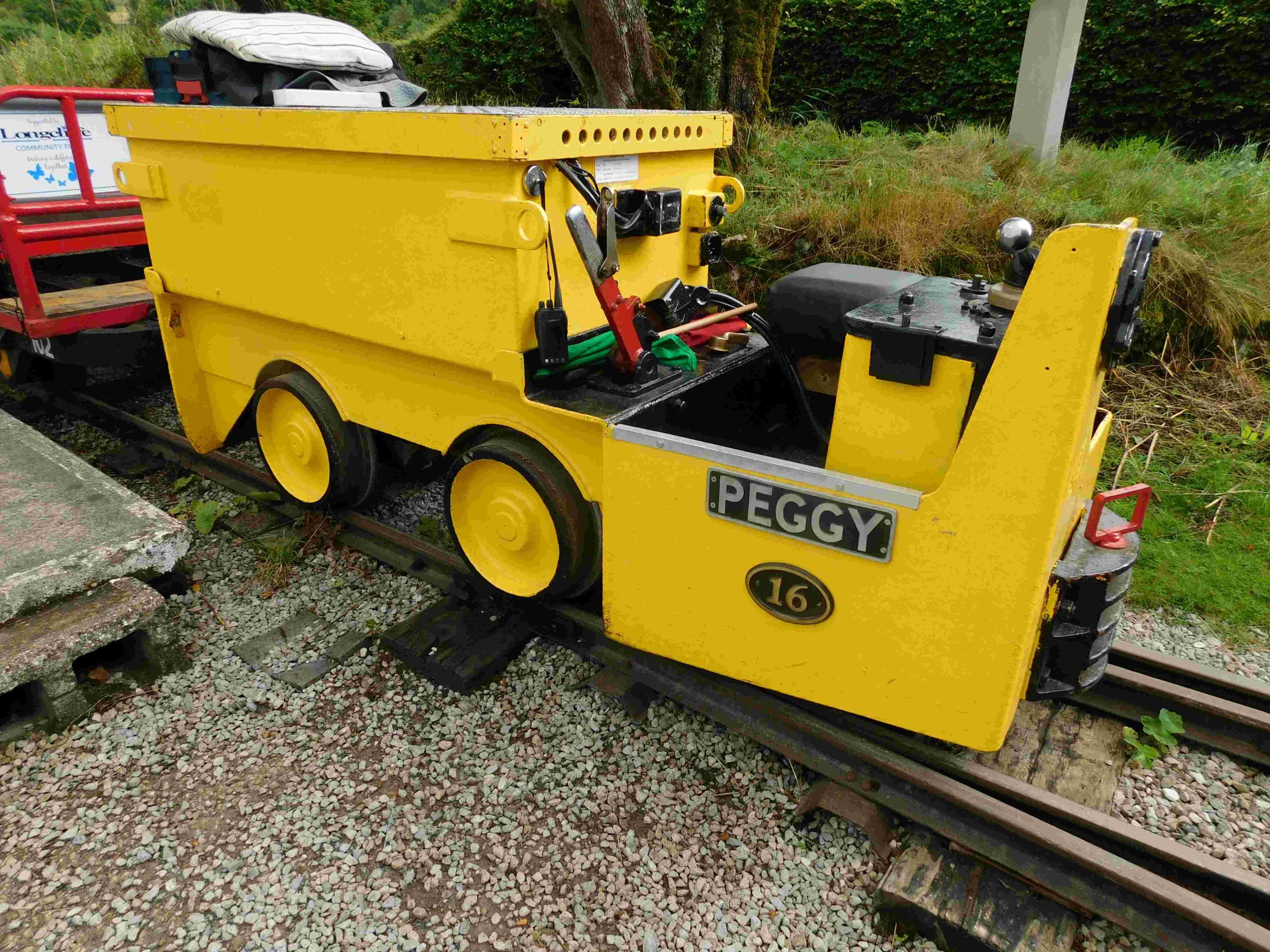
Peggy at Steeple Grange Light Railway.

Steeple Grange Light Railway (SGLR) in Derbyshire has an outstanding collection of 18 inch gauge industrial battery electric locomotives. Peggy is a Clayton battery electric locomotive built in 1973 for Parnell Plant Ltd of Rugby. The 7 hp locomotive passed through the hands of other civil engineering plant hire companies before entering preservation in 2002. Peggy was restored to service in 2021 and operates on both the SGLR main line and the branch line to Steeplehouse Quarry

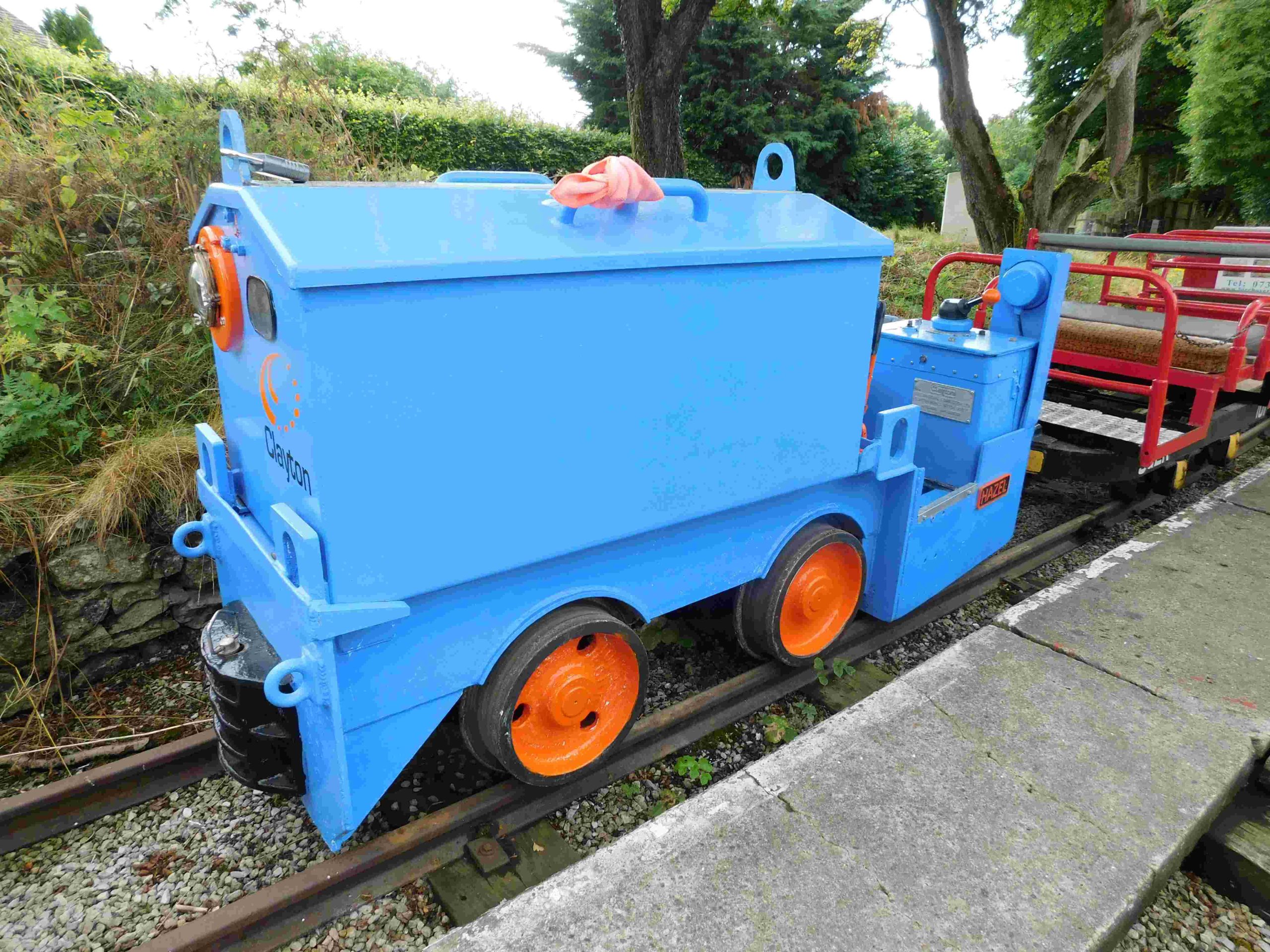
No.18 at Steeple Grange Light Railway.

Another Clayton 7 hp battery electric locomotive in the SGLR collection is No.18 built in 1973 for C. V. Buchan & Co Ltd of Swynnerton, Staffordshire. This civil engineering contractor specialised in underground concrete tunnel lining and was part of the Leonard Fairclough Group. Between 1972 and 1978, Fairclough built the, partly underground, Merseyrail Northern Line with Buchan supplying the concrete tunnel sections. No.18 was built to 2 foot gauge and had been converted to 18 inch gauge by 2004 before entering preservation in 2020.

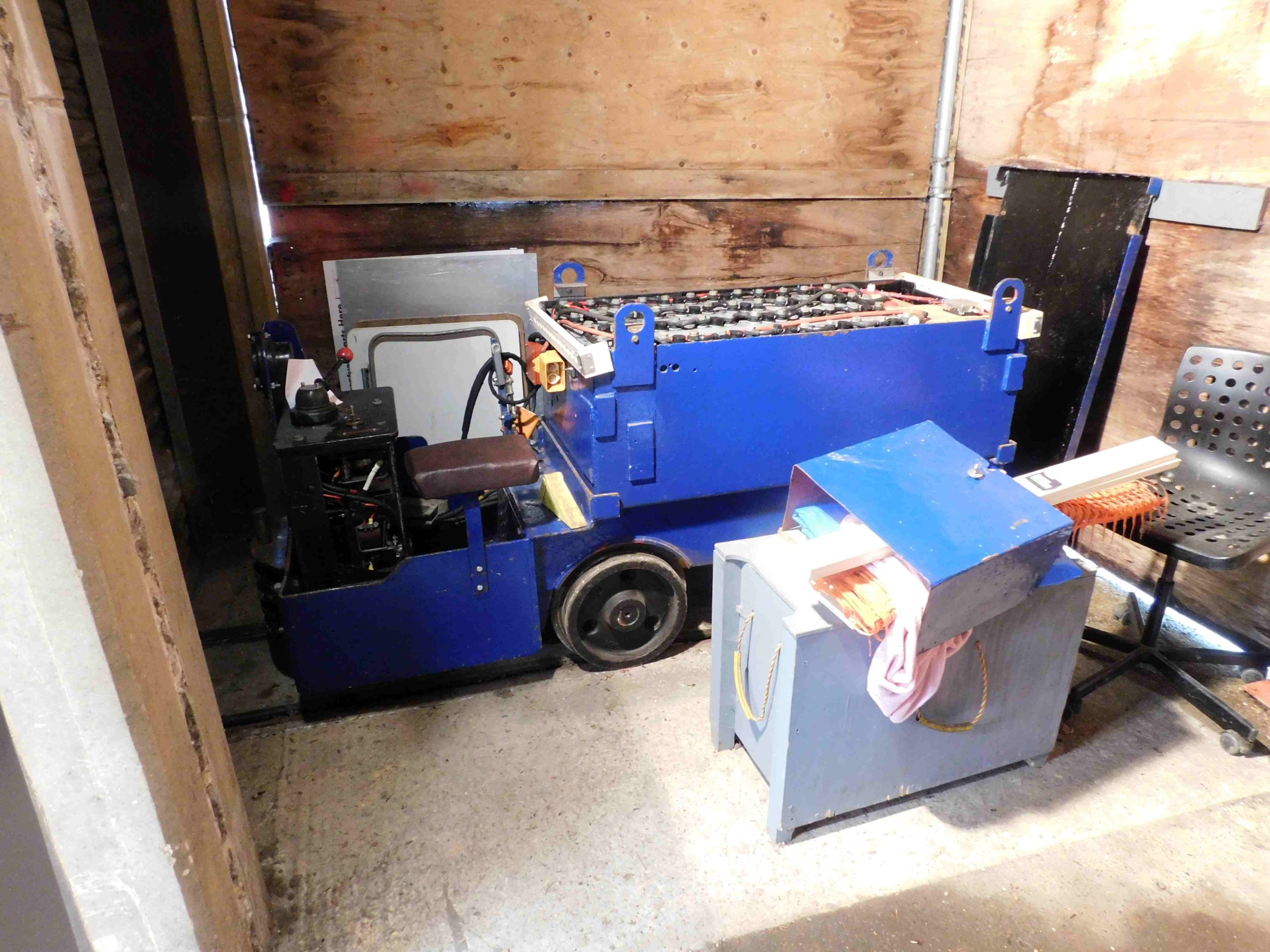
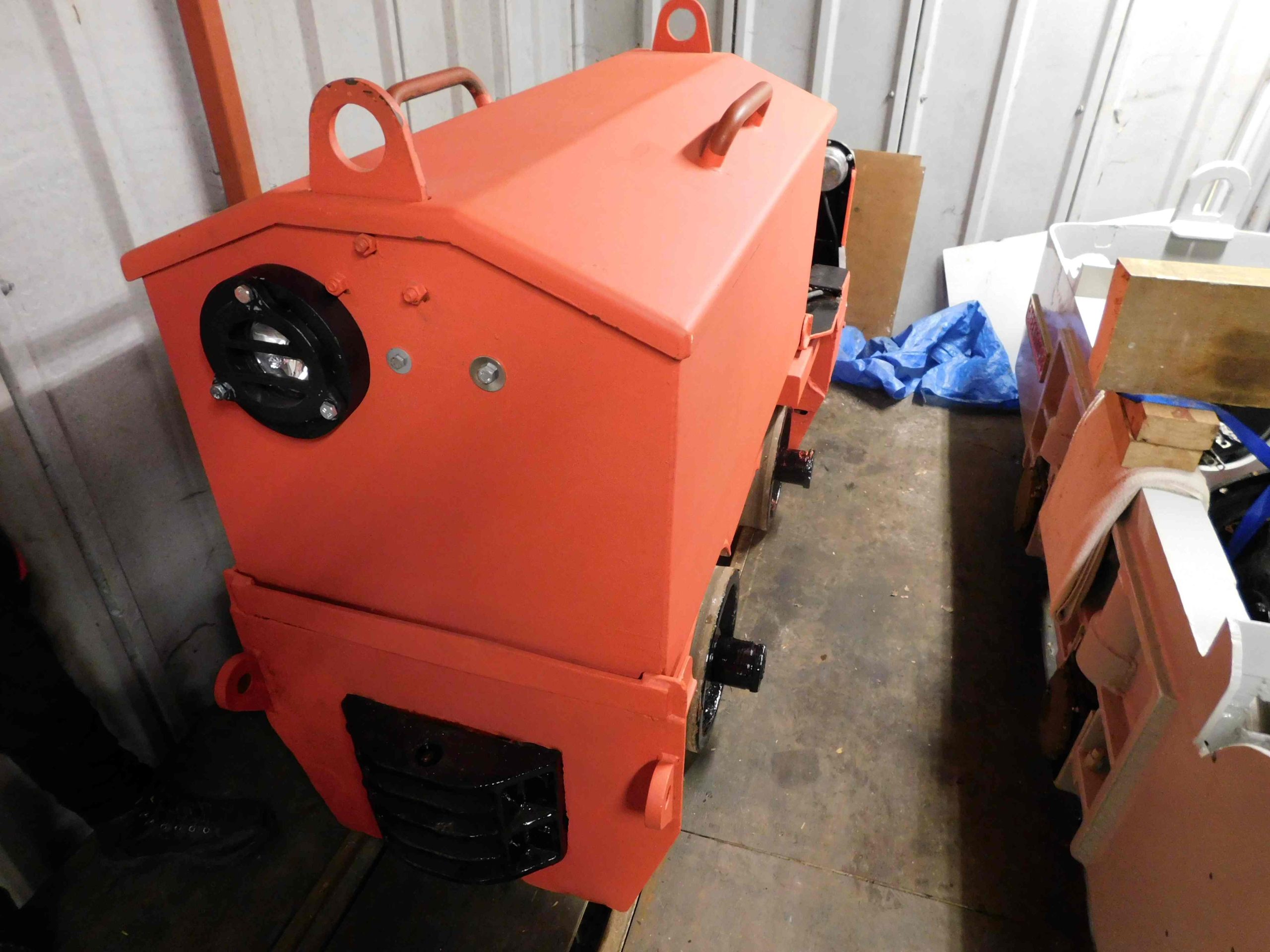
No.15 with the battery box cover removed at SGLR.

SGLR No.15 is a battery electric tunnelling locomotive that is larger than the other Claytons in the collection and is the oldest surviving 1 ¾ ton Clayton. The frames belong to a locomotive built in 1967 for Anglo-Scottish Plant Ltd of Northamptonshire who were involved with contracts in Coventry. No.15 passed through several owners before being acquired by Miller Buckley Plant Ltd of Rugby in 1983. Here the locomotive operated as LM17 alongside LM10, built by Clayton in 1970. At some stage parts from LM10, including the motor, ended up in the frames of LM17 with LM10 being scrapped. After further changes of ownership, No. 15 entered preservation in 2003.

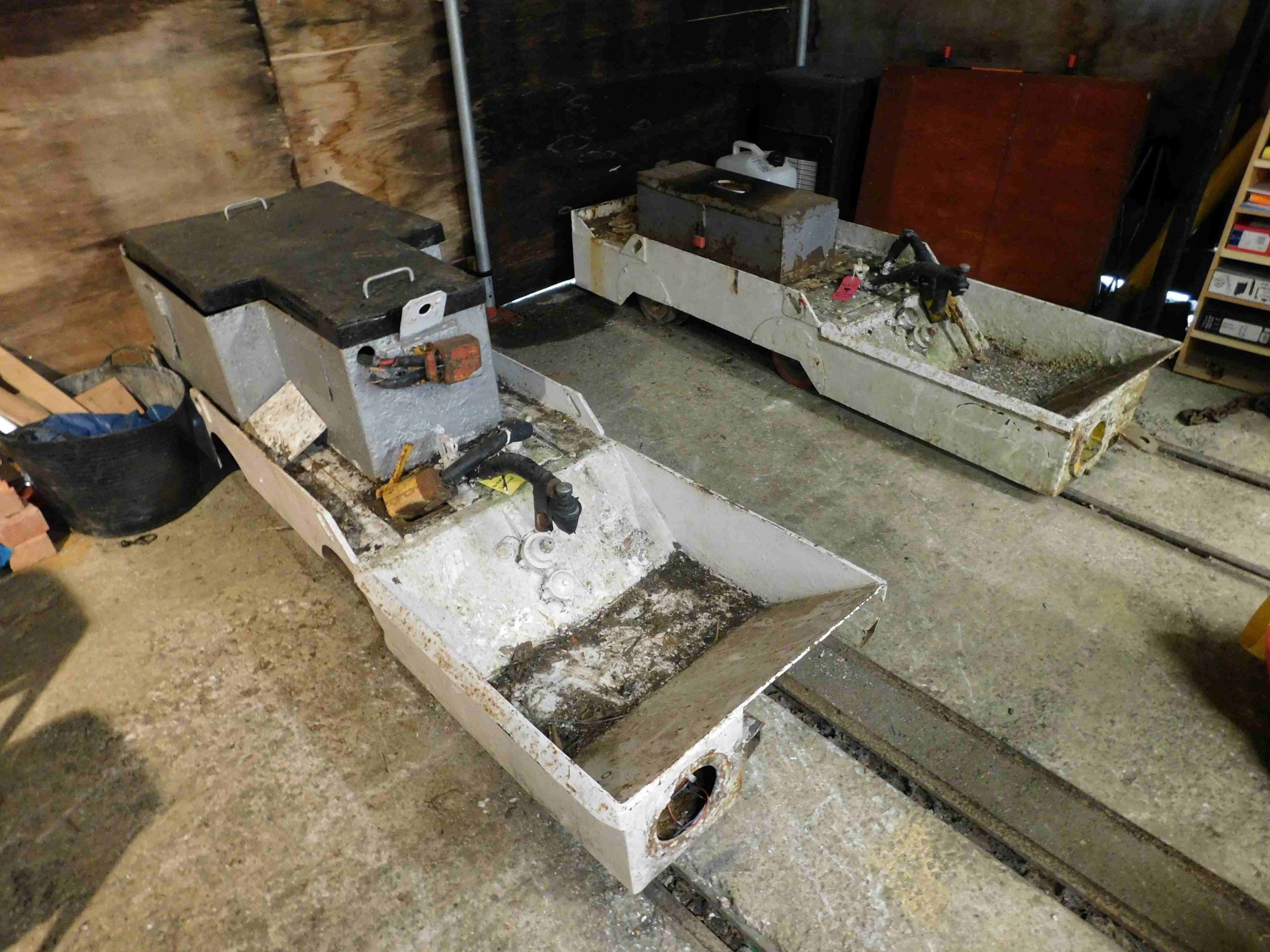
Unrestored Tunnequip locomotives at Steeple Grange Light Railway.

From the largest Clayton tunnelling locomotive to the smallest Tunnequip tunnelling locomotives. Designed to operate on 18 inch gauge track in tunnels down to just 3 foot in diameter, these Tunnequip battery hydrostatic locomotives were built in 1980 and required the driver to lie prone with legs either side of the battery and equipment box. These locomotives are two of only three known examples built by Tunnequip and entered preservation at SGLR in 2002.

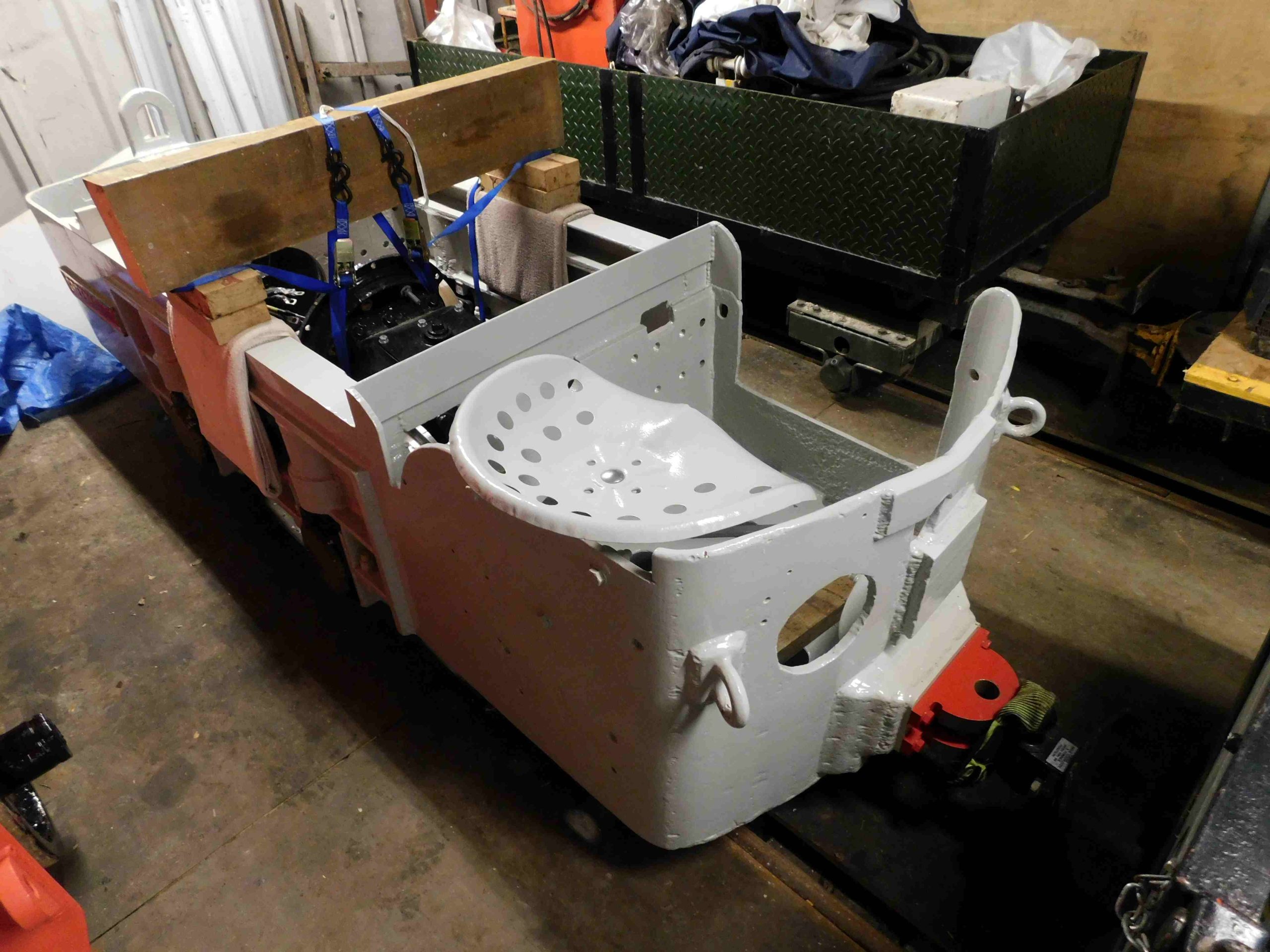
Greensburg under restoration at Steeple Grange Light Railway.

The Greensburg Machine Company of Pennsylvania manufactured a range of mining equipment including the Scout type of battery electric locomotives. The example under restoration at the SGLR, carrying the name Greensburg, was built in 1954 and is the only example to have been exported from the USA. Brought to the UK in 1986 by a subsidiary of Costain civil engineering group, the locomotive is believed to have worked on the Royal Docks Drainage Scheme at the Royal Victoria Docks in London.

No.17 at Steeple Grange Light Railway.

SGLR No.17  is a Clayton battery electric locomotive built in 1972 for civil engineers John Mowlem & Co Ltd at Welham Green in Hertfordshire. The locomotive carried the number JM84 and is gauge adjustable between 18 inches and 2 foot. In 1986, JM84 was transferred to a subsidiary company, Welham Plant Ltd at St Neots in Cambridgeshire, before entering preservation in 2020.

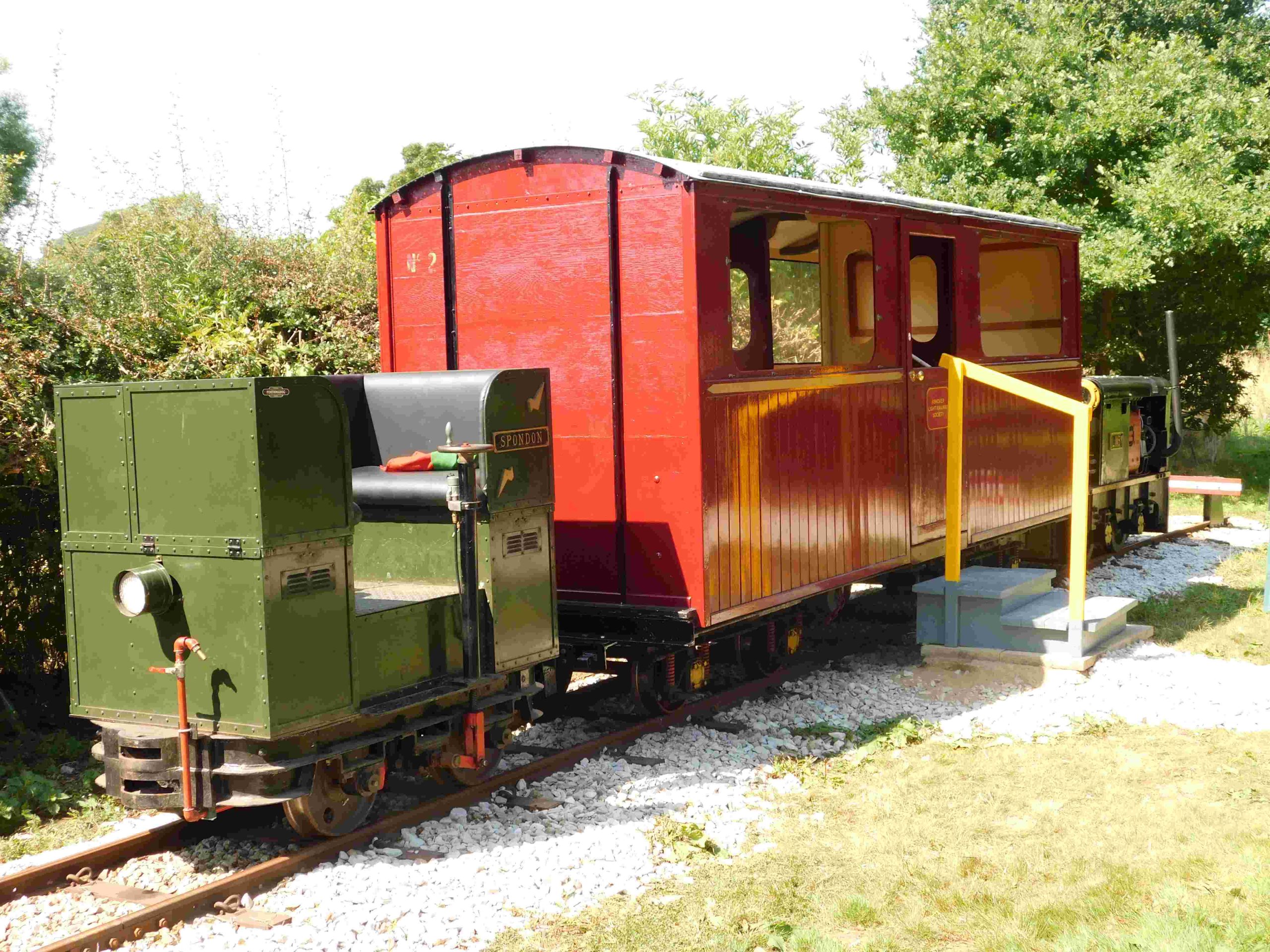
Spondon on passenger duties at Ashover Light Railway Society.

Spondon is a battery electric locomotive that was built in 1926 by The Derbyshire & Nottinghamshire Electric Power Company to operate at the Spondon coal-fired power station. Spondon was used to remove of ash from the works and needed to operate on a tightly-curved track with height restrictions. The locomotive worked for almost 50 years until the closure of the power station in 1972. Spondon entered preservation in 2012 with the Ashover Light Railway Society in Derbyshire and was restored to service in 2017.

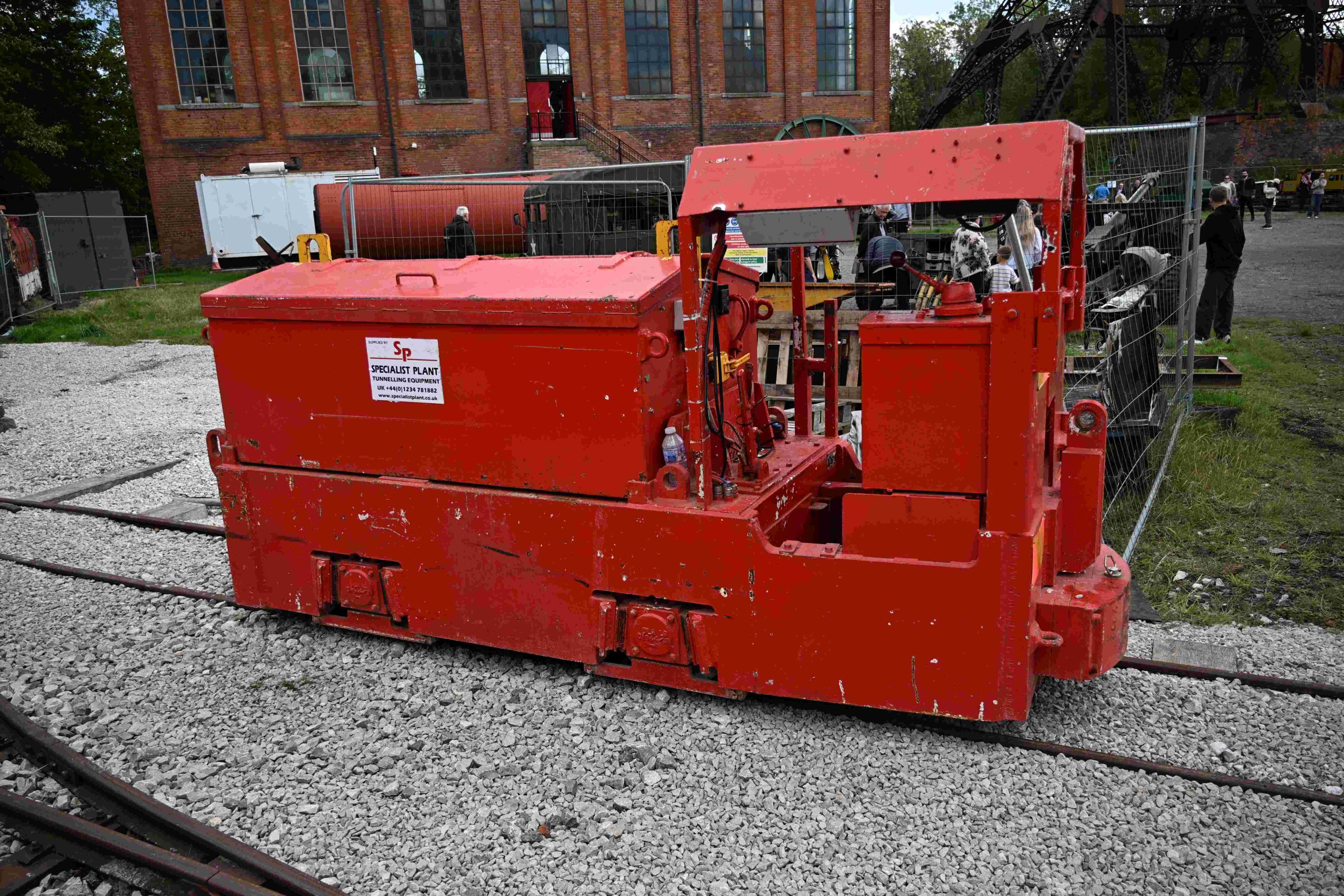
Clayton SP1157 at the Lancashire Mining Museum.

SP1157 is a 2 foot gauge Clayton battery electric locomotive built in 1974 for Specialist Plant Associates in Northamptonshire. The locomotive was hired out for tunnelling and mining projects in the UK and in Europe before entering preservation in 2023. SP1157 now resides at the Lancashire Mining Museum at Astley Green Colliery where it is known as The Clayton. The locomotive is used for track and general maintenance around the site.

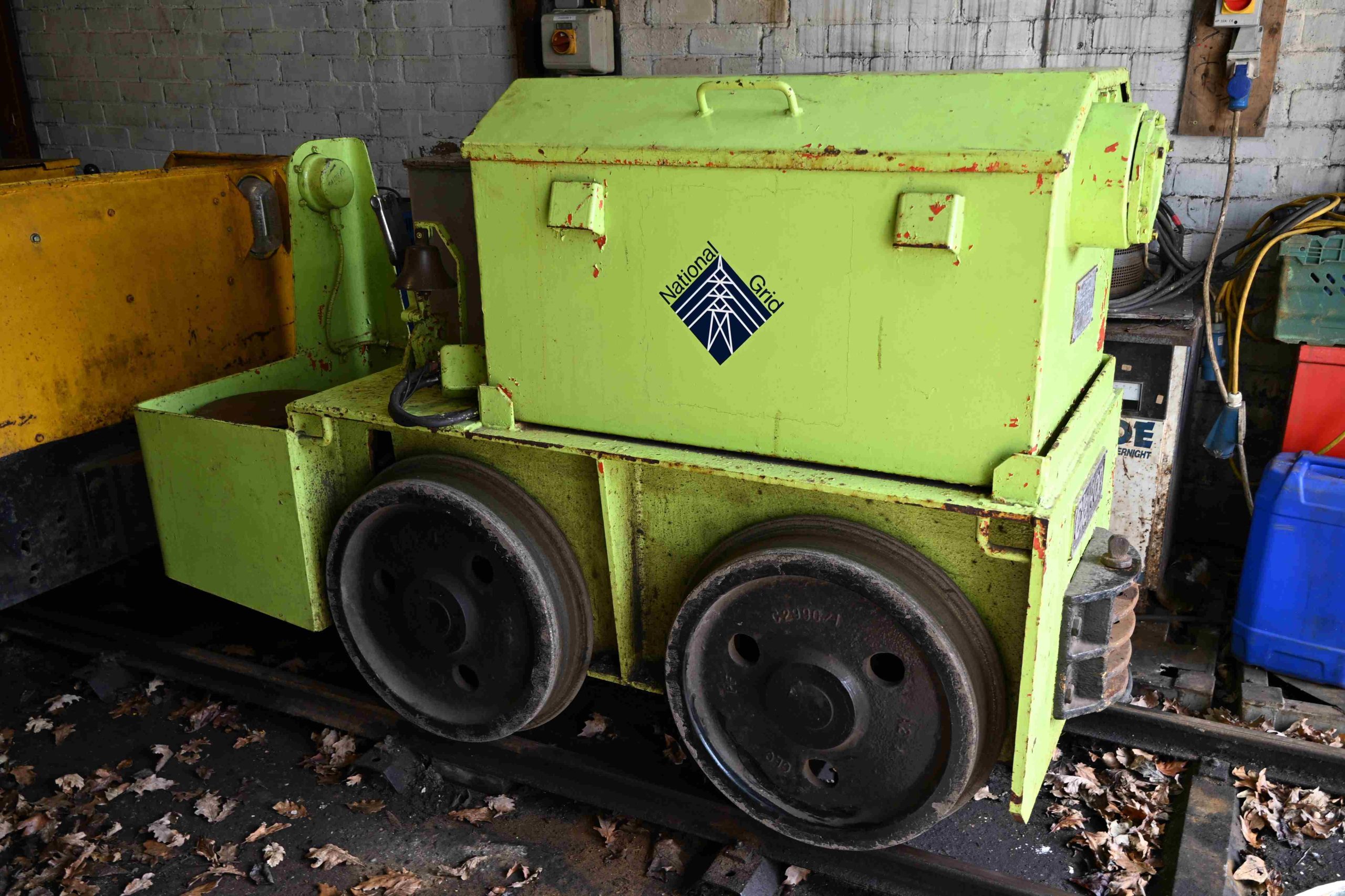
National Grid Clayton at Apedale Valley Light Railway.

The Central Electricity Generating Board took delivery of a 2 foot gauge Clayton battery electric locomotive in 1971 to work on the inspection and maintenance of high voltage cables in the former Woodhead railway tunnel. The Clayton worked for 27 years in the 3 mile long tunnel before being replaced by a more modern Clayton battery electric locomotive in 1988. The locomotive is now in preservation in National Grid livery at Apedale Valley Light Railway in Staffordshire.

AP November 2026

Related Articles