A Narrow Gauge Railway from Yorkshire to Derbyshire

At over 3 miles long, a 2 foot gauge railway operated for 47 years between Yorkshire and Derbyshire. Constructed in 1968, this industrial railway was worked by diesel and battery locomotives until 2015 when most of the track was lifted. A few hundred yards of track still remain in situ and several of the locomotives have entered preservation. The railway in question was built to install, service and repair high voltage electrical cables in one of the redundant Woodhead railway tunnels.

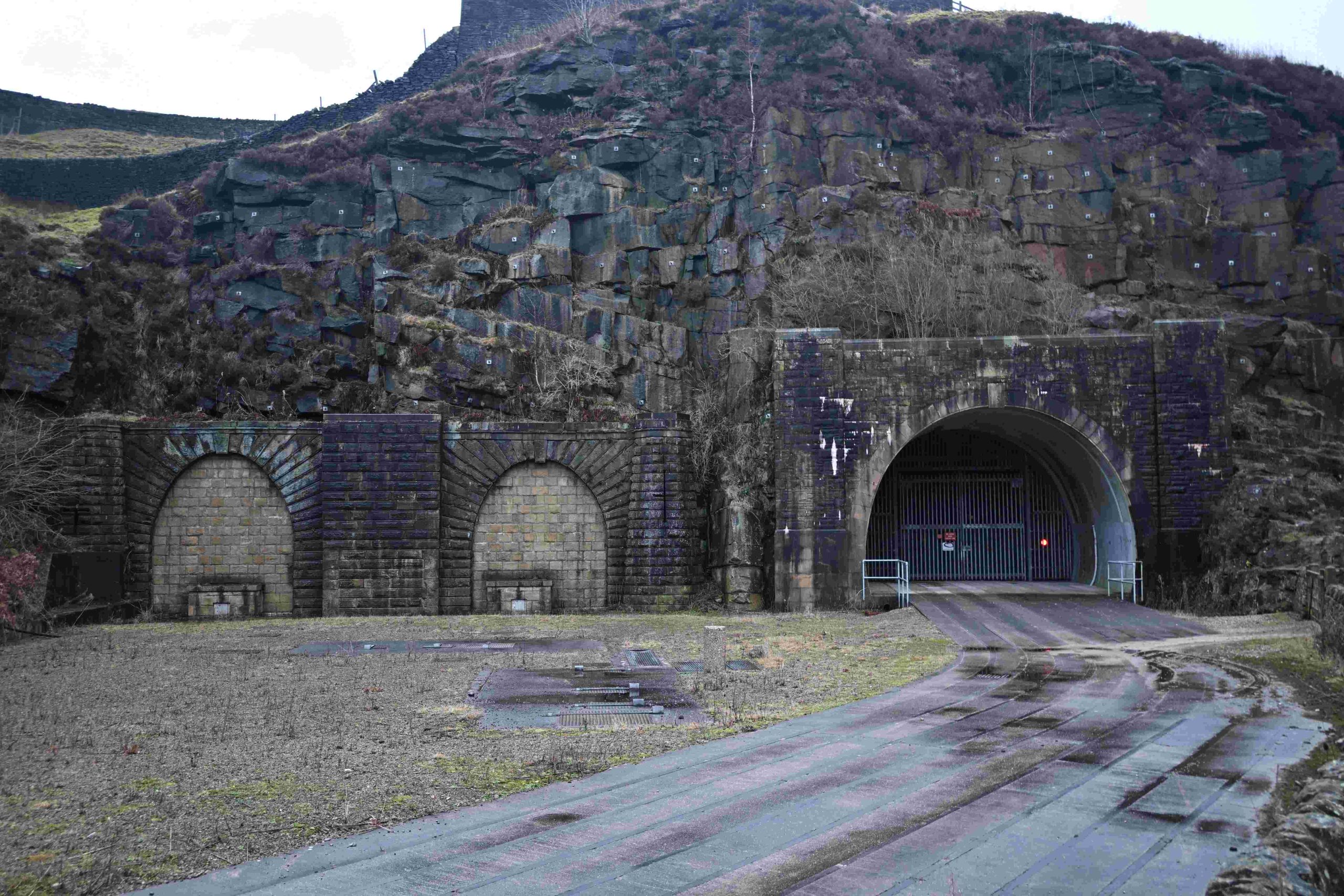
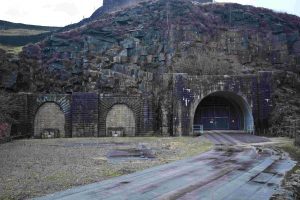
The Derbyshire portals of Woodhead Tunnels 1, 2 and 3.

As part of the national Supergrid of high voltage cables, the Central Electricity Generating Board (CEGB) was planning a section to run from Thorpe Marsh Power Station in South Yorkshire to a facility in Stalybridge in Cheshire, but now in Greater Manchester since 1974. However, planning permission for the pylon supported cables to run over the Pikenaze Moor was refused after a public enquiry. Running the cables through one of the disused railway tunnels under the moor was then chosen as the next best option.

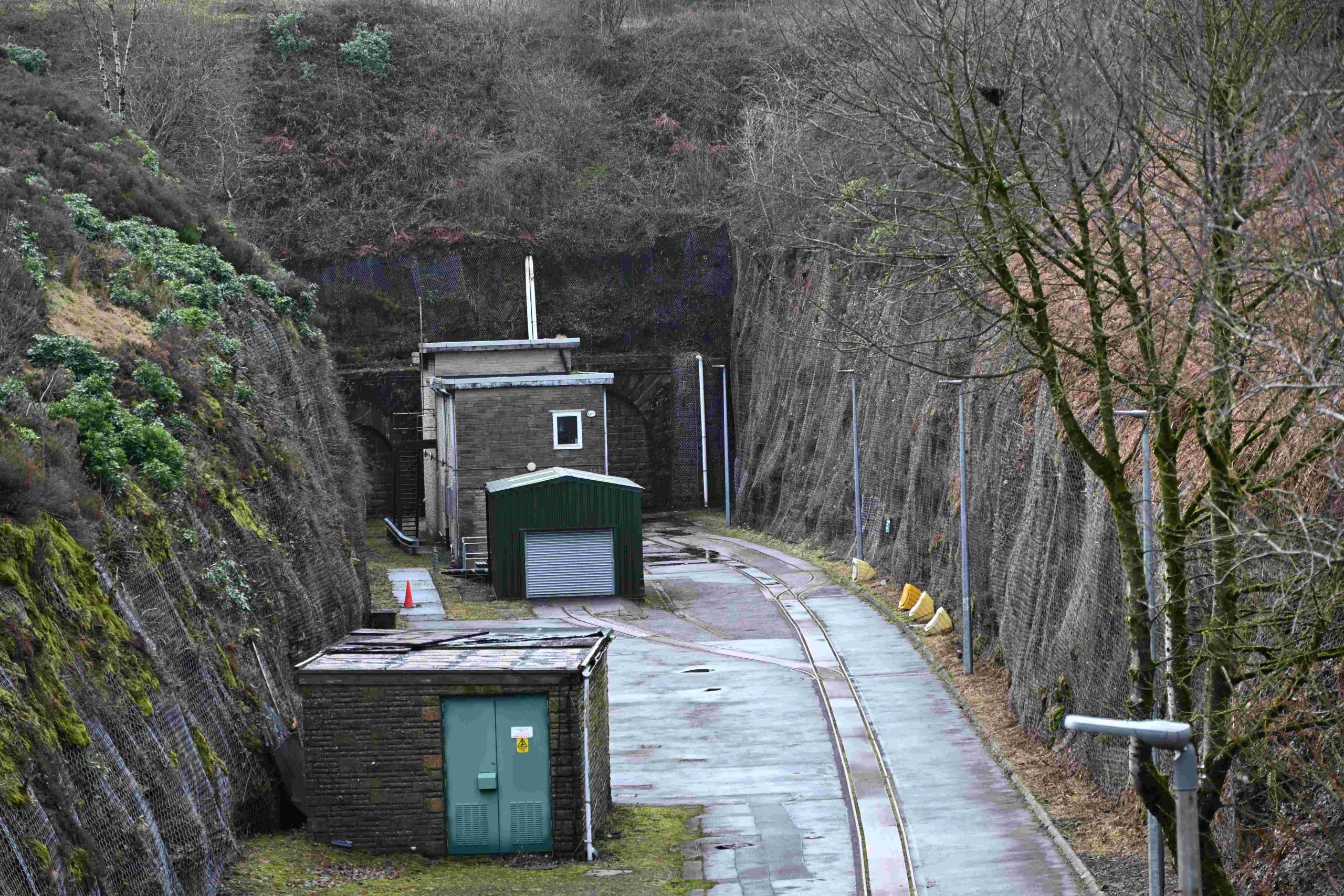
The Yorkshire portals of tunnels 2 and 1 with the small engine shed and narrow gauge track.

There are three standard gauge railway tunnels here, known as Woodhead 1, 2 and 3, dating from 1845, 1852 and 1953 respectively. Tunnels 1 and 2 were closed on the opening of tunnel 3, with tunnel 2 being selected for the installation of electrical cables due to the poor condition of tunnel 1. After extensive cleaning of over a century of soot, tunnel 2 was prepared for the narrow gauge railway. The tunnel runs from Dunford Bridge in South Yorkshire to Woodhead, which was in Cheshire on the opening of the narrow gauge railway, but is now in the county of Derbyshire.

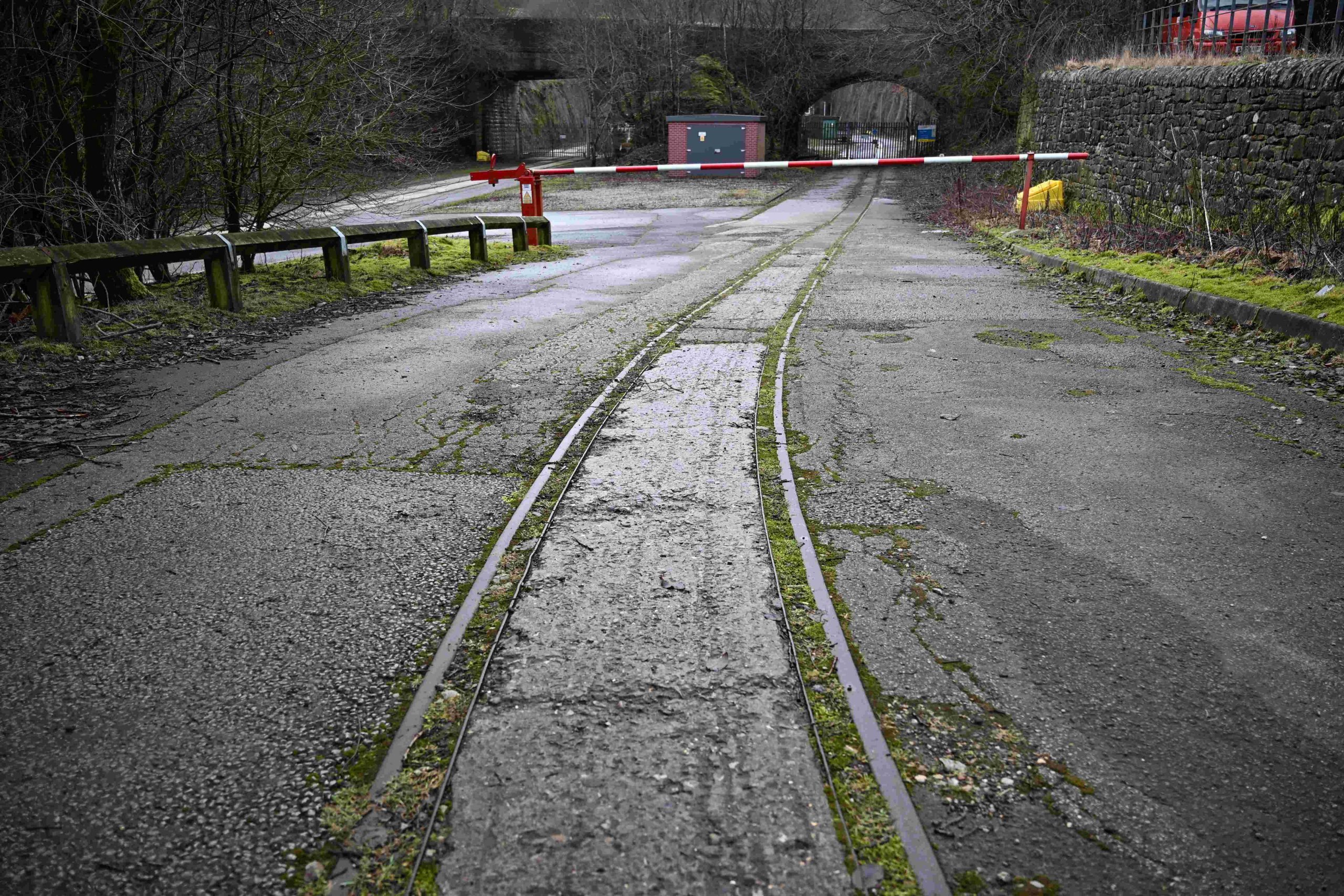
Looking along the narrow gauge track from the Dunford Bridge car park.

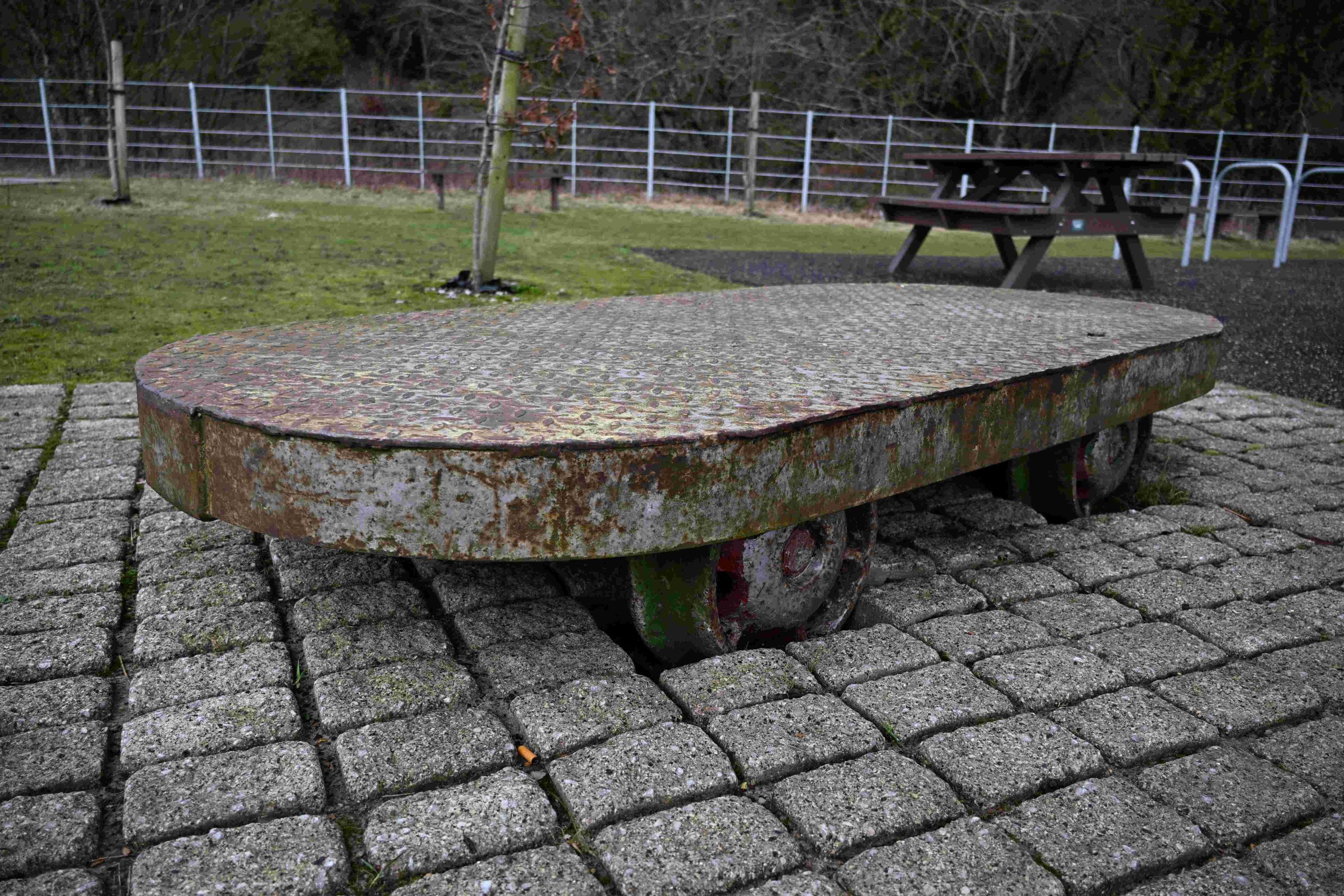
The main centre of operation of the railway was Dunford Bridge where a significant length of track remains embedded in concrete, along with the redundant engine shed. It was here that the contractors, who installed and repaired the infrastructure, and the CEGB, who monitored the underground section of the National Grid, were based. The works yard is now a car park for the Trans Pennine Trail that has a feature that is based on a type of wagon used in the tunnel. This consists a Hudson type of skip frame that has had the couplings removed and the original wooden flatbed replaced by durbar steel sheet to reduce slipping when inevitably walked upon.

The wagon feature in the Dunford Bridge car park.

Locomotives used by the original contractors comprised of four small diesel locomotives, two from Motor Rail and two from Ruston & Hornsby. It appears that only the latter two had exhaust conditioners for working underground. The CEGB subsequently used seven locomotives at various times, including two Clayton battery electric engines. The diesel locomotives came from Hunslet, Ruston & Hornsby, Hudson and Alan Keef. The latter locomotive, along with the Hudson and two Claytons are now preserved by the Moseley Railway Trust at the Apedale Valley Light Railway in Staffordshire.

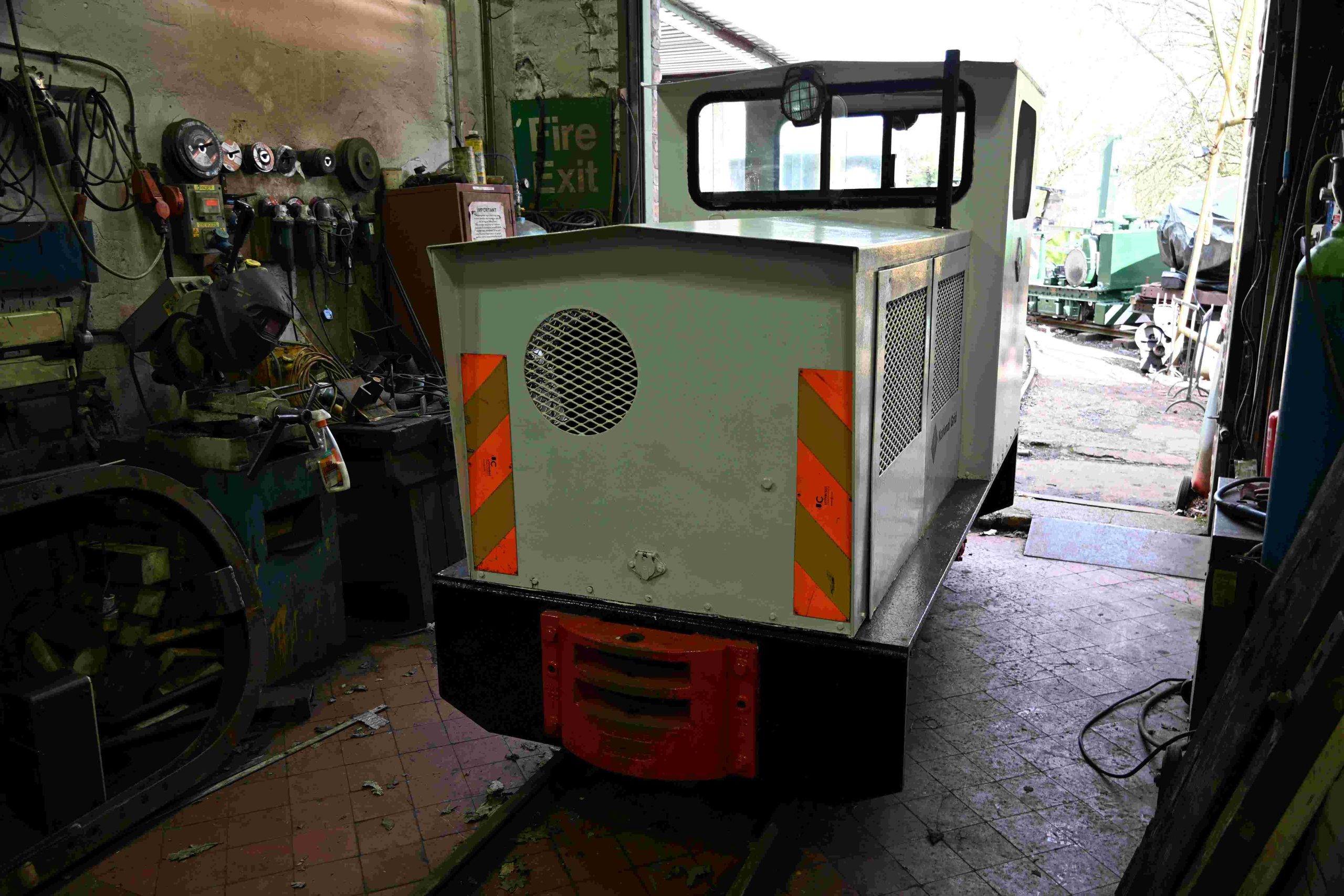
Alan Keef diesel hydraulic locomotive.

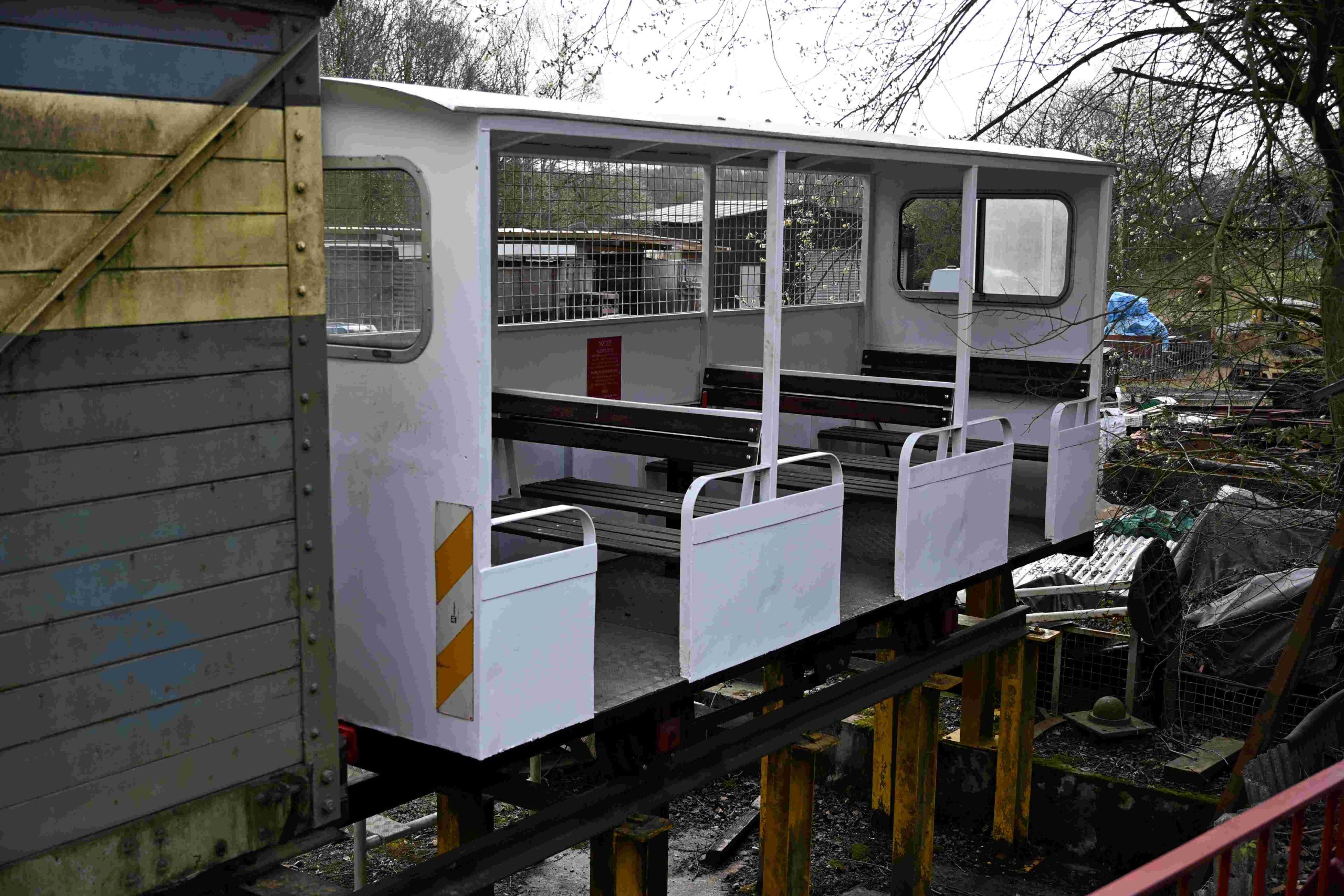
The Alan Keef locomotive was delivered new to the National Grid, successor to the CEGB, at Dunford Bridge in 1993. The diesel engine was specified with indirect injection to reduce emissions in the confined spaces of the tunnel. The locomotive was delivered with a steel bodied manrider, also manufactured by Alan Keef, that also currently resides at Apedale. Both the locomotive and the manrider were delivered  painted in corporate light green but both were repainted white at some stage before preservation. This locomotive is known as Hector at Apedale.

Alan Keef manrider supplied National Grid in 1993.

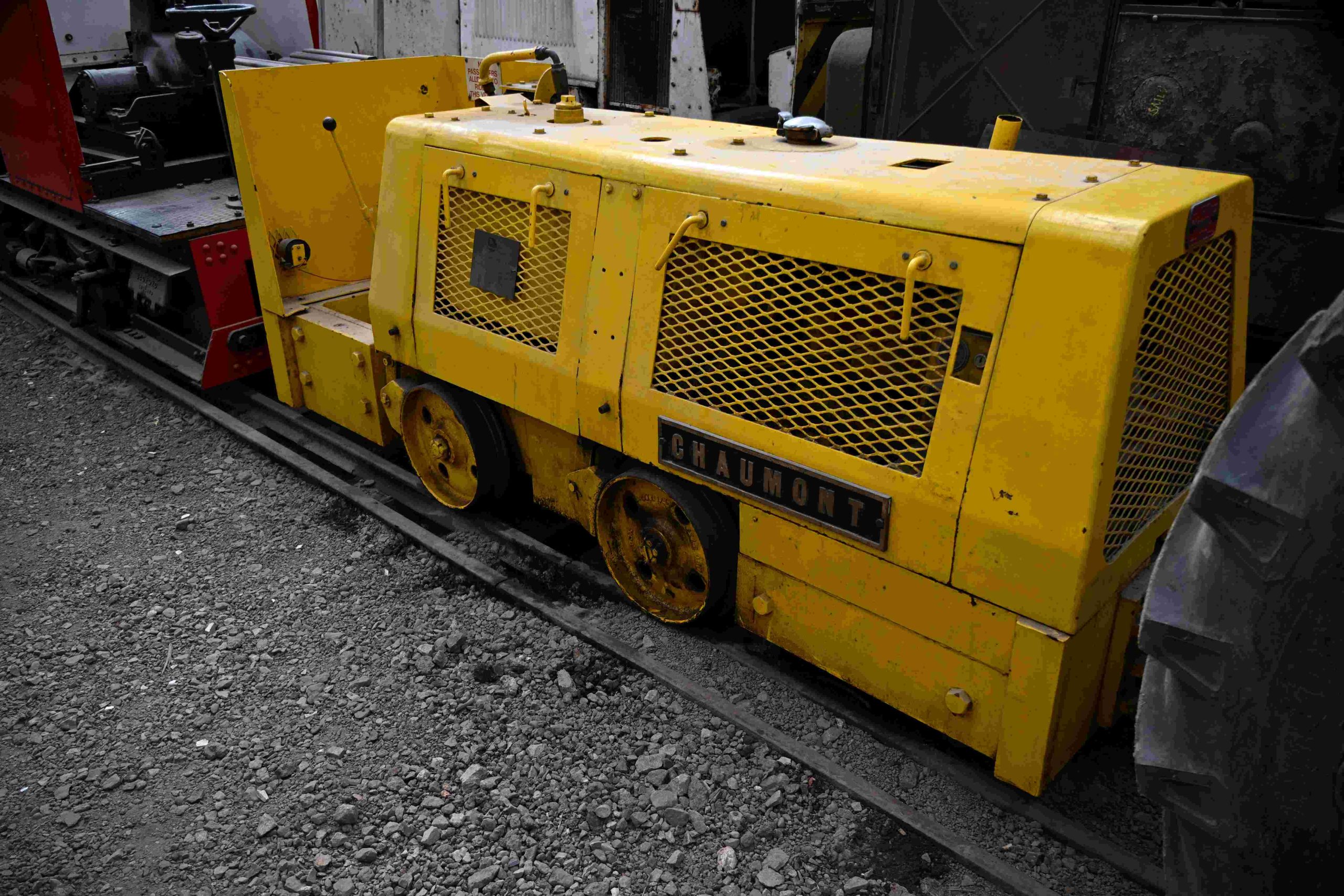
One of the original locomotives used on this railway was a Hudson  four wheel, diesel hydraulic engine. Built in 1968, this Hudson was one of only two ever built and had a very low top speed, which may account for why it was returned to the manufacturer after a short time in service. The loco was then sold in 1971 to Ashton under Lyne Corporation who used the loco in Dukinfield sewage works until it went for preservation in 1993. During this period, the locomotive acquired the name Chaumont, the twin town of Ashton under Lyne.

Hudson supplied to the CEGB in 1968 now carrying the name Chaumont.

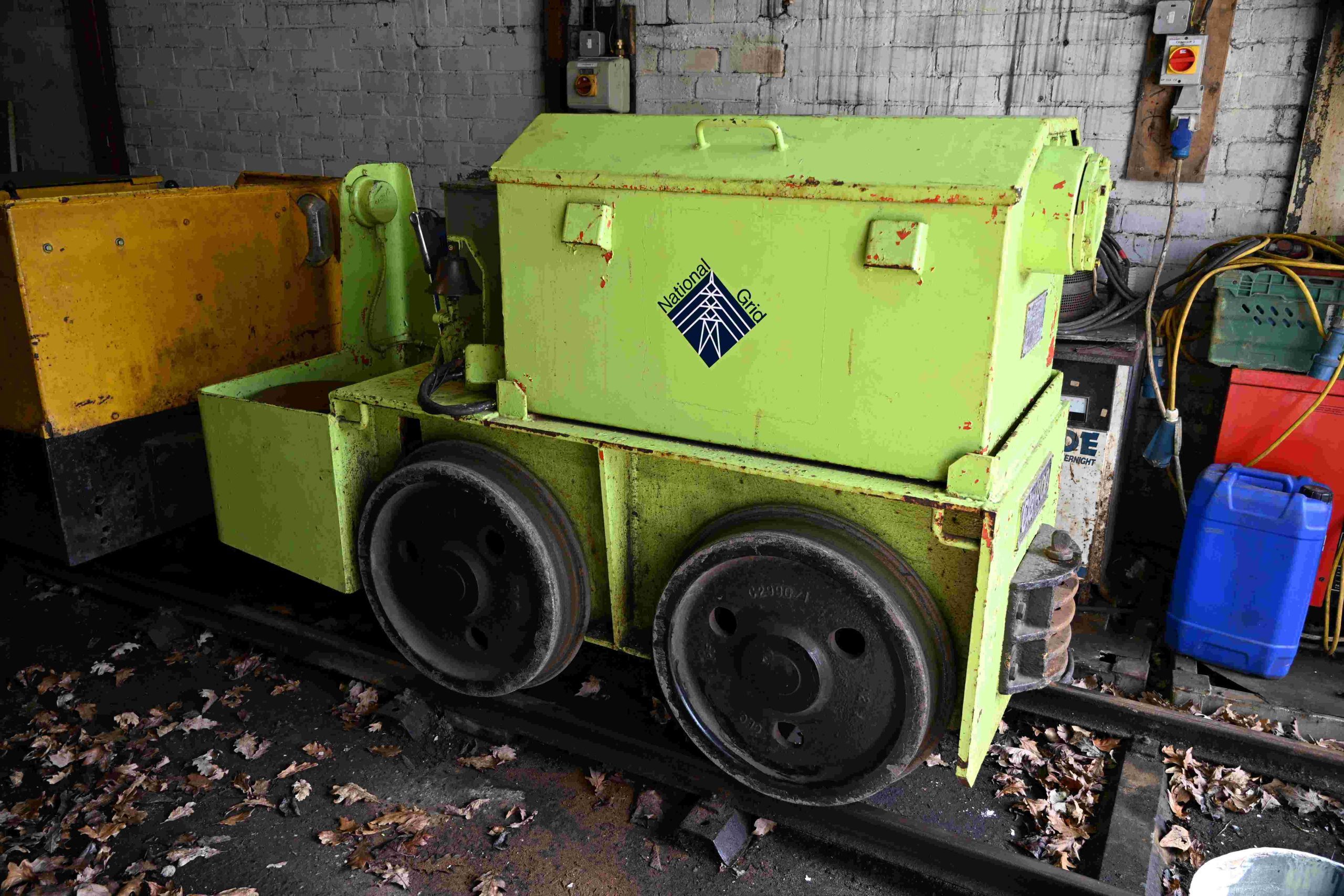
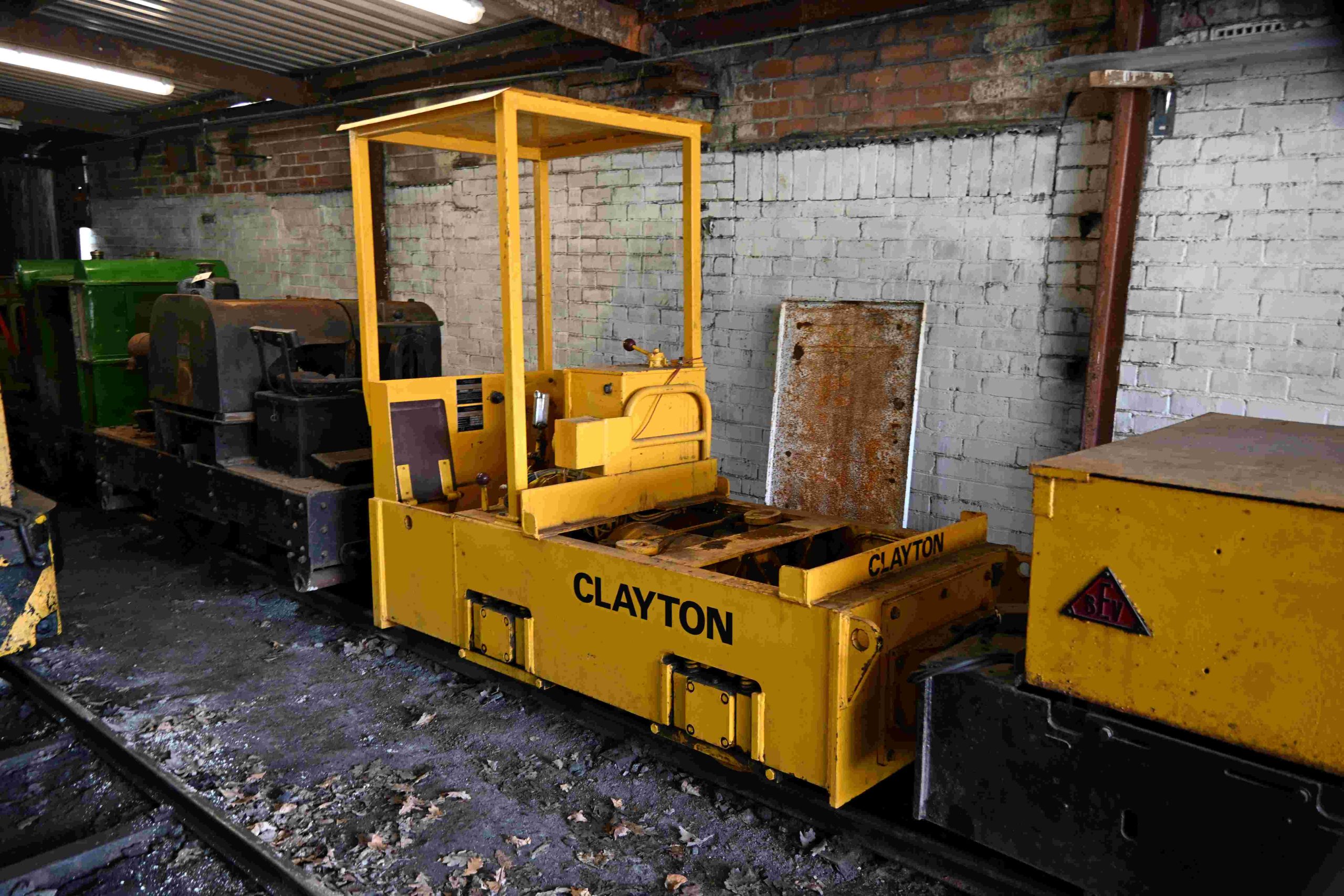
A number of battery electric locomotives were used on the railway. The first CEGB locomotive in preservation was Clayton 5843 built in 1971. Supplied new to Dunford Bridge with extra large wheels to produce a reasonable turn of speed in the tunnel. This locomotive performed well for 27 years before being replaced by another Clayton battery electric in 1998. Clayton B4299 was a more modern locomotive with overload cut-off to prevent damage when stalled, and an electromagnetic dead man’s handle. This locomotive entered preservation in 2013 where it acquired the name Prometheus.

Clayton 5843 in the National Grid livery.

Claton B4299 with the battery box removed.


In 2008 the National Grid began installing replacement high voltage cables in Woodhead tunnel 3. This tunnel has a much wider bore that allows the use of wheeled vehicles on the concrete floor that was laid. The project was completed in 2012 and the cables in tunnel 2 were decommissioned. The narrow gauge railway was eventually lifted in 2015 after 47 years of service.

April 2026