The Ffestiniog Railway has held Quirks & Curiosities events to celebrate the more unusual aspects of narrow gauge railways. Here is a collection of 16 examples that highlight unusual, rare or eccentric narrow gauge motive power from12 other railways.

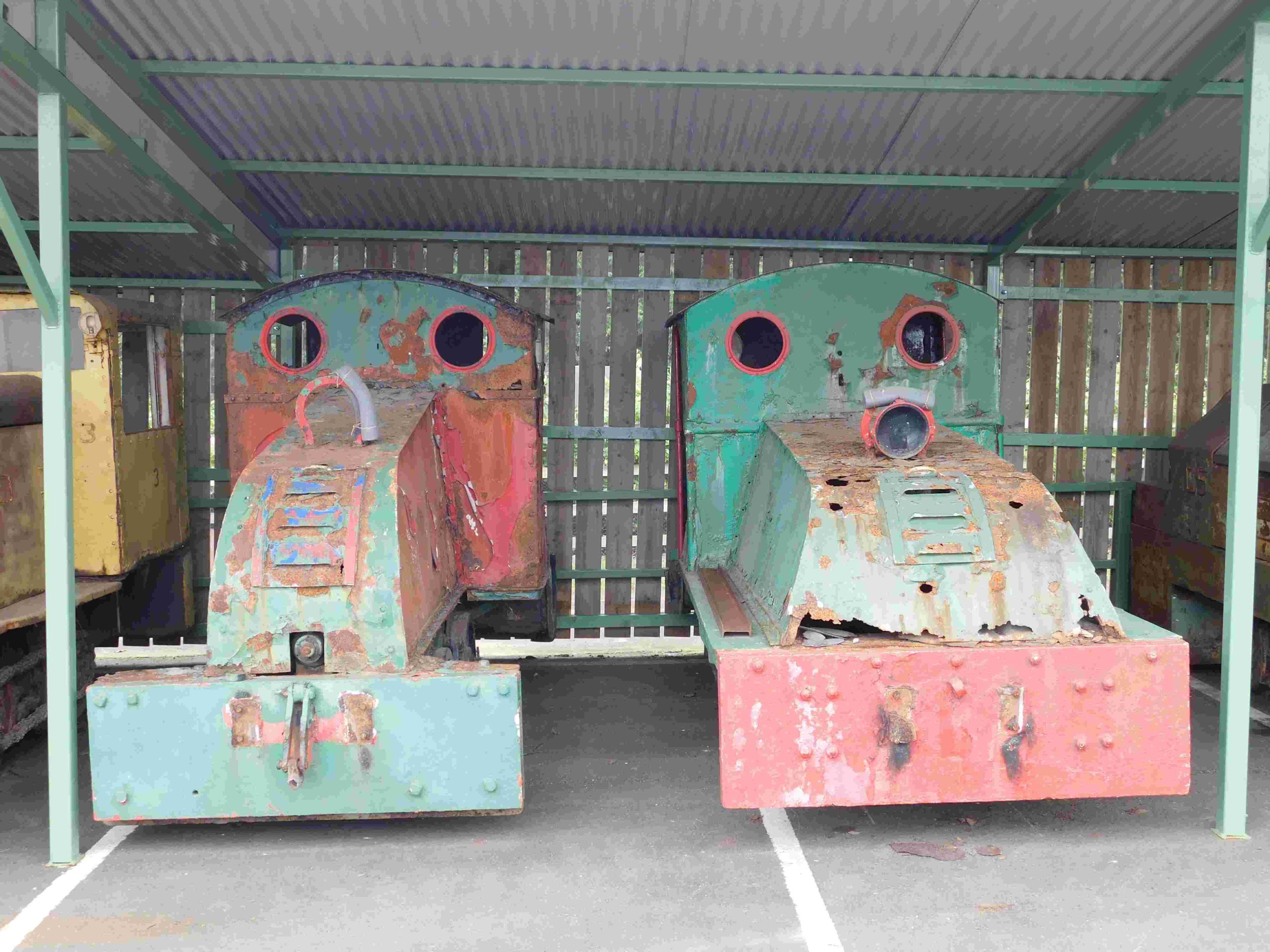
The Eclipse & The Coalition at Statfold Barn Railway.

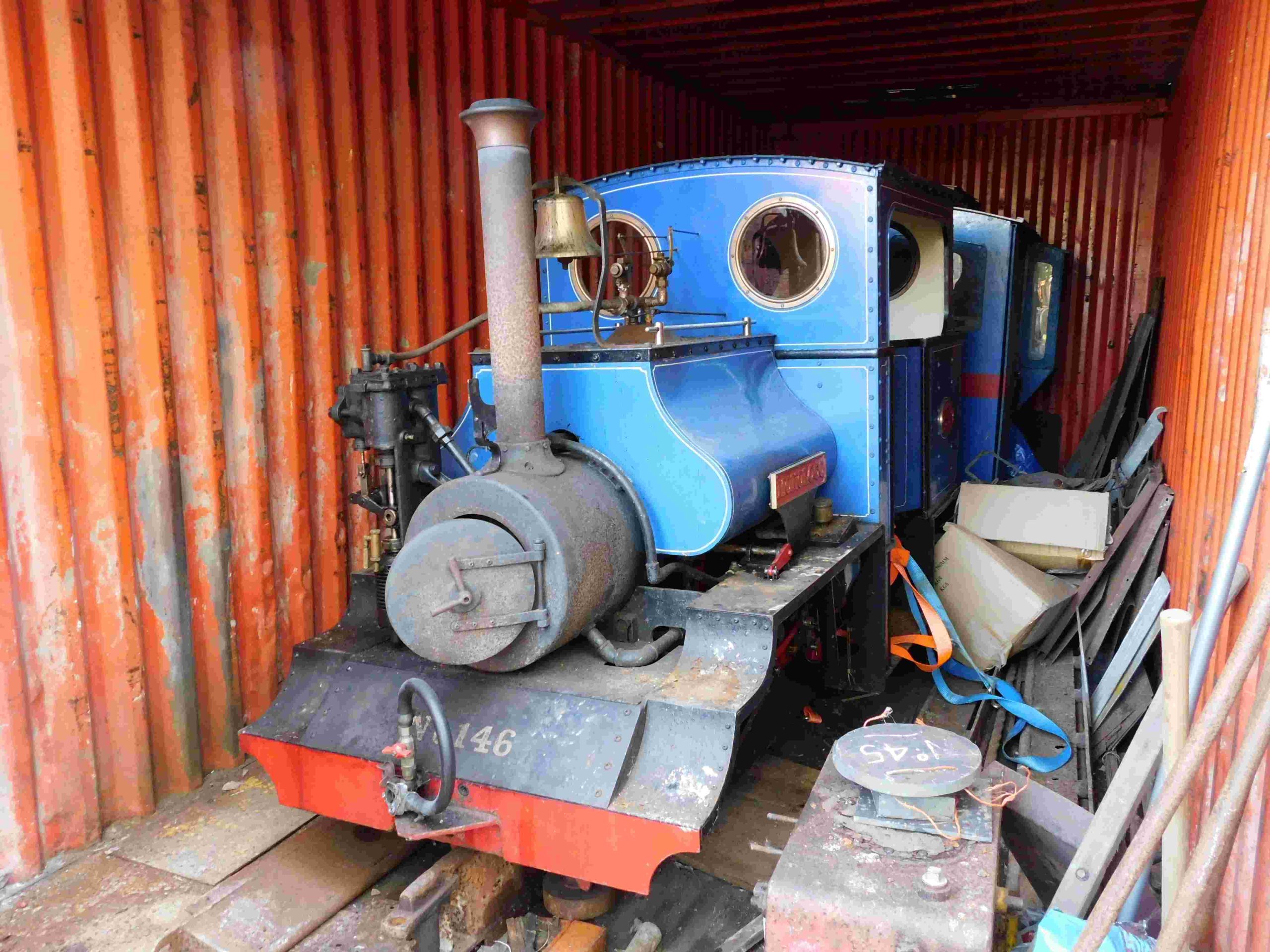
In the 1890s, Bagnall supplied two new 0-4-0 steam locomotives to the Llechwedd slate quarry at Blaenau Ffestiniog. These operated until the 1920s, when the quarry acquired an electric  locomotive and installed overhead electric wires. Following the success of this experiment, the quarry purchased motors and switchgear to convert the two steam locomotives to electric traction. The Eclipse was built in 1927, named after a solar eclipse in that year, and The Coalition was built in 1930, named after the coalition government of David Lloyd George. Both locomotives now reside at the Statfold Barn Railway.

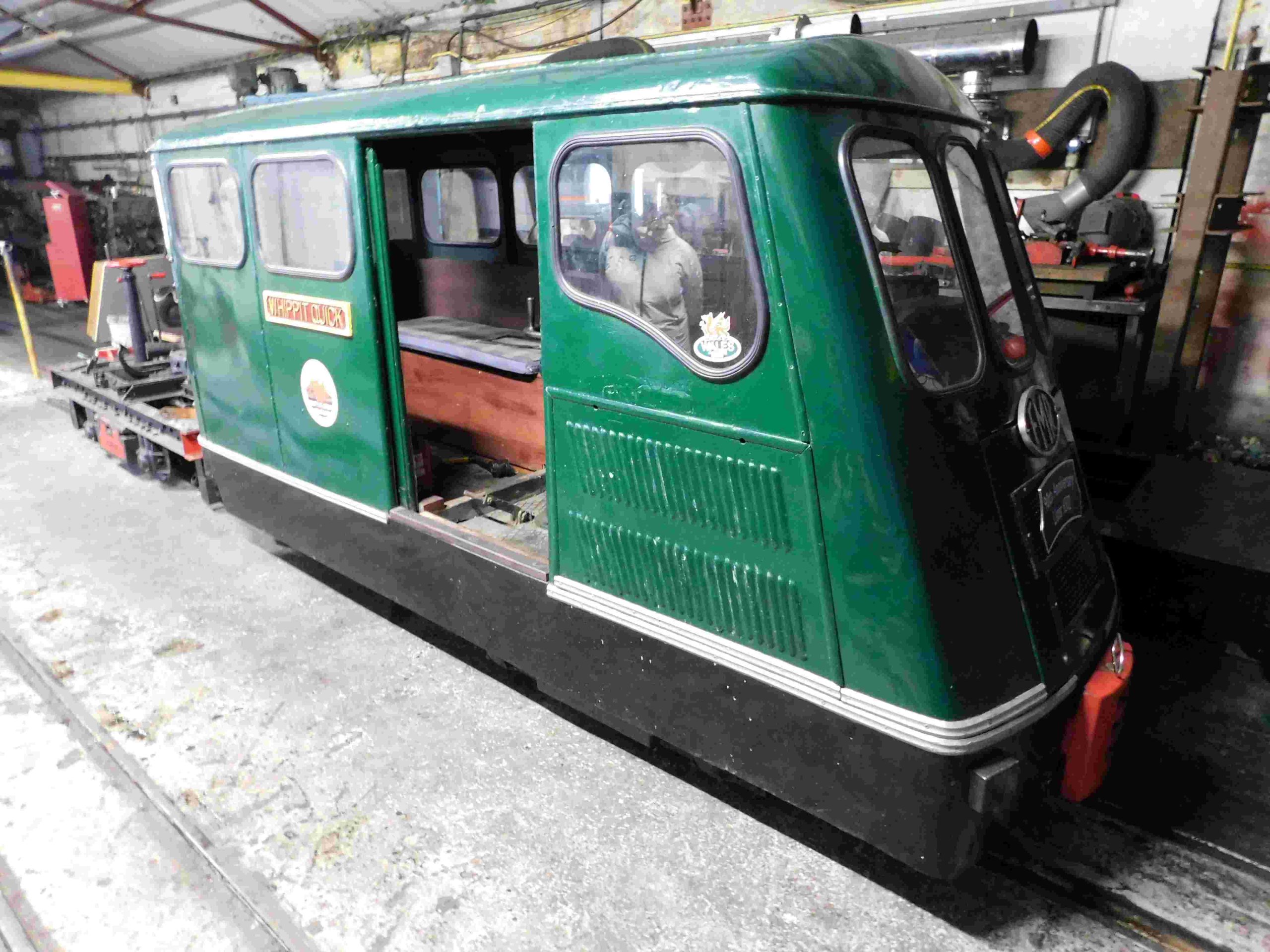
Whippet Quick at Fairbourne Railway.

Whippit Quick was the first internal combustion locomotive to operate on, the then 15” gauge, Fairbourne Railway in 1935. Based on a Lister petrol locomotive, it was rebuilt in the 1950s with the addition of a four wheel bogie under extended frames, making it an 0-4-4 configuration. The streamlined bodywork was added at this time and Whippit Quick continued to work on the railway operating passenger services until 1975. In 2023, the locomotive returned to the Fairbourne Railway as part of the heritage collection.

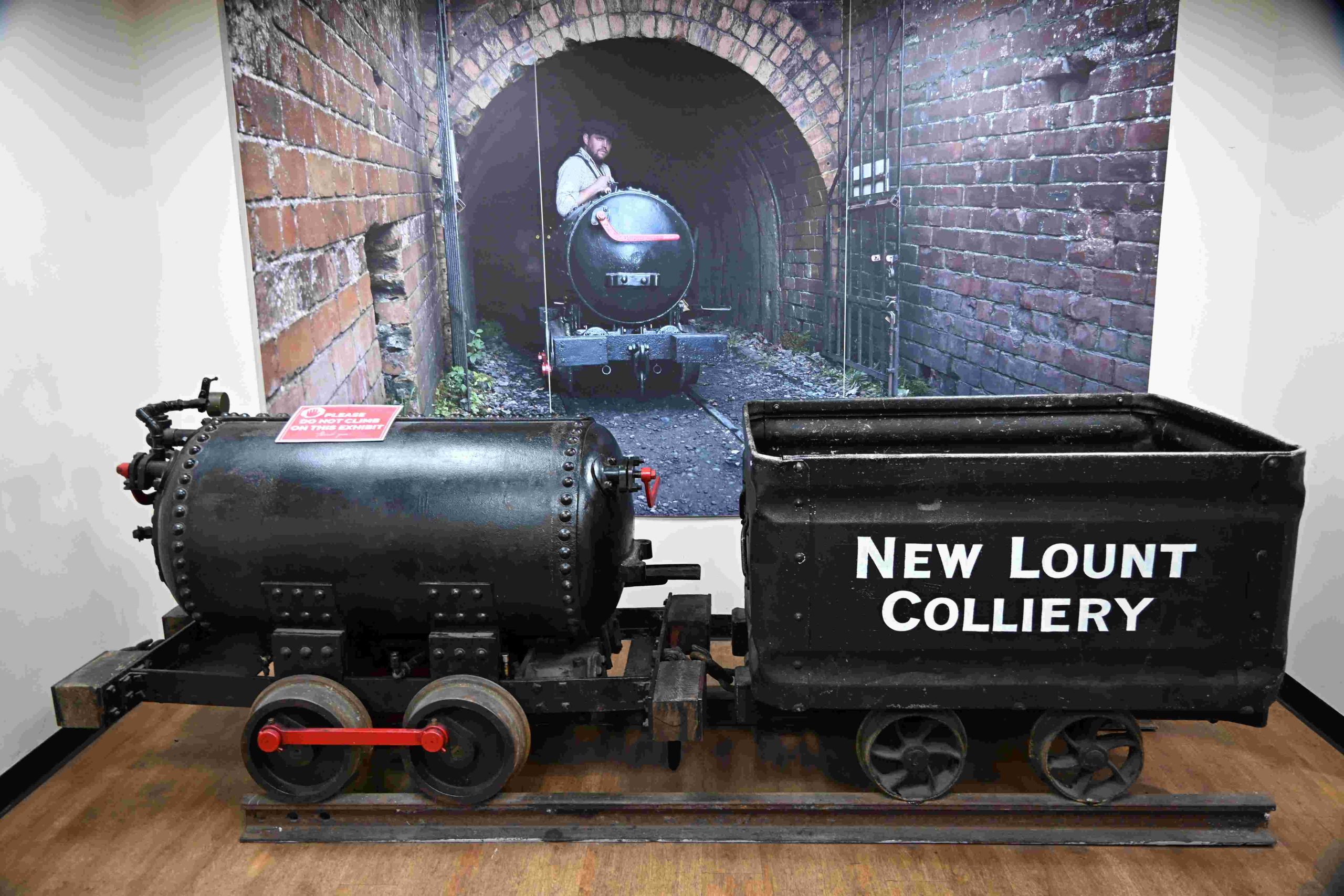
SID at Statfold Barn Railway.

In the 19th century, the Earl of Durham commissioned an 0-4-0 compressed air locomotive to work in his Lambton Collieries. Compressed air provided a safe form of underground traction, lacking the ignition source and toxic emissions of steam engines. Coal mines have a ready supply of compressed air to drive power drills and other machinery. SID is a working replica built at Statfold Barn Railway in 2009.

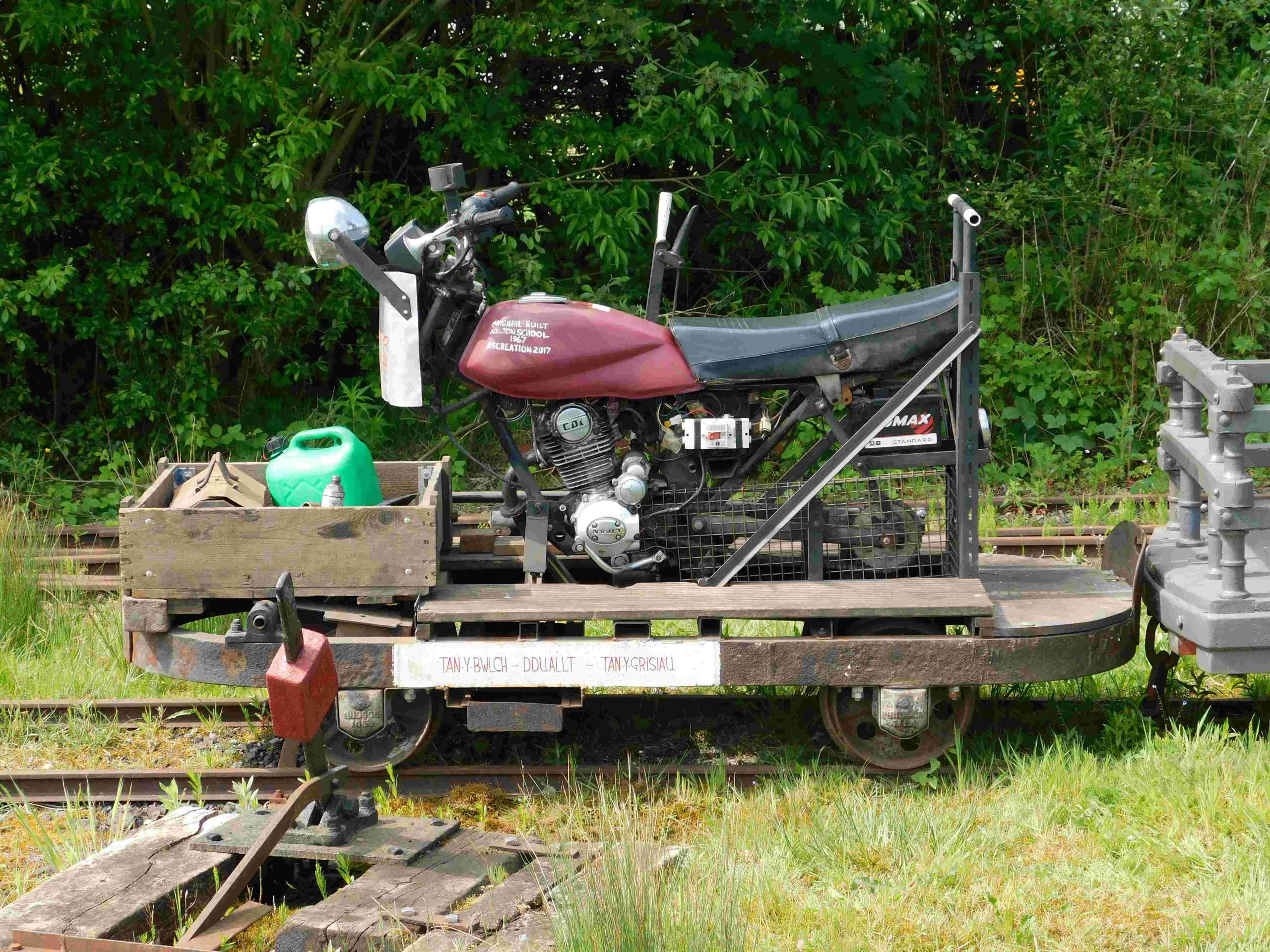
Panther Wagon at Apedale Valley Light Railway.

The Panther Wagon was built in 1967 to allow quick access to the worksites on the Ffestiniog Railway deviation project. Panther motorcycles were built in Cleckheaton, Yorkshire and they produced a range of large-capacity , single-cylinder models. One such motorcycle was grafted onto a Hudson skip frame using chain drive. The working replica at the Apedale Light Railway was built in Whaley Bridge in 2027 and the inscription on the petrol tank indicates that the original was built at Bolton School.

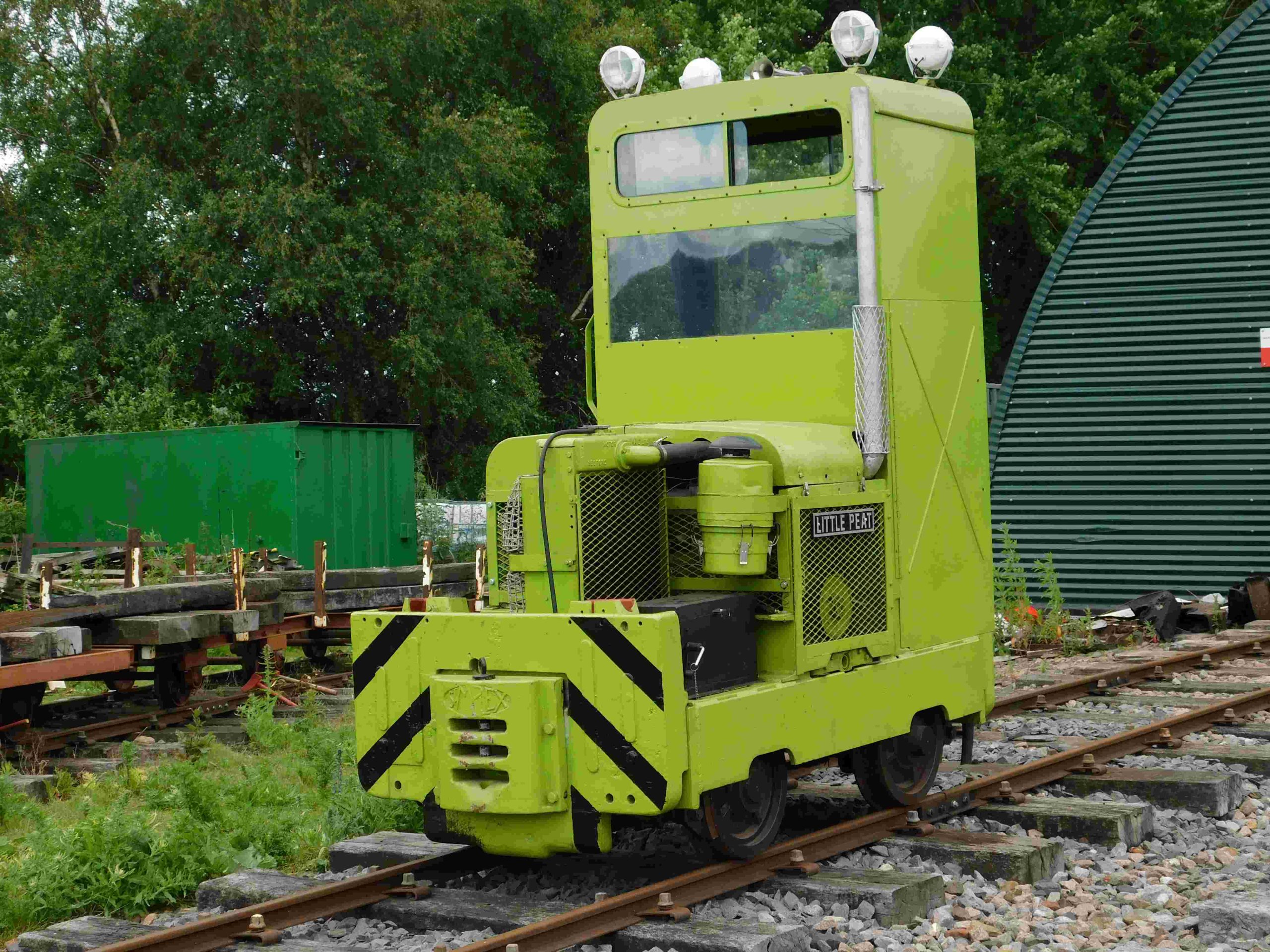
Little Peat at Crowle Peatland Railway.

Motor Rail supplied a new Simplex locomotive to Fison’s Hatfield Peat Works in 1967. The locomotive, now known as Little Peat, also worked on Thorne Moor before finally being  abandoned derelict on site by 1996. Little Peat was recovered by Crowle Peatland Railway in 2015 before undergoing partial restoration at North Lindsey College. The locomotive was re-assembled at Crowle and put back into service in 2021. Little Peat was supplied with a standard cab but this was extended upwards so that the operator could see over the tall peat wagons.

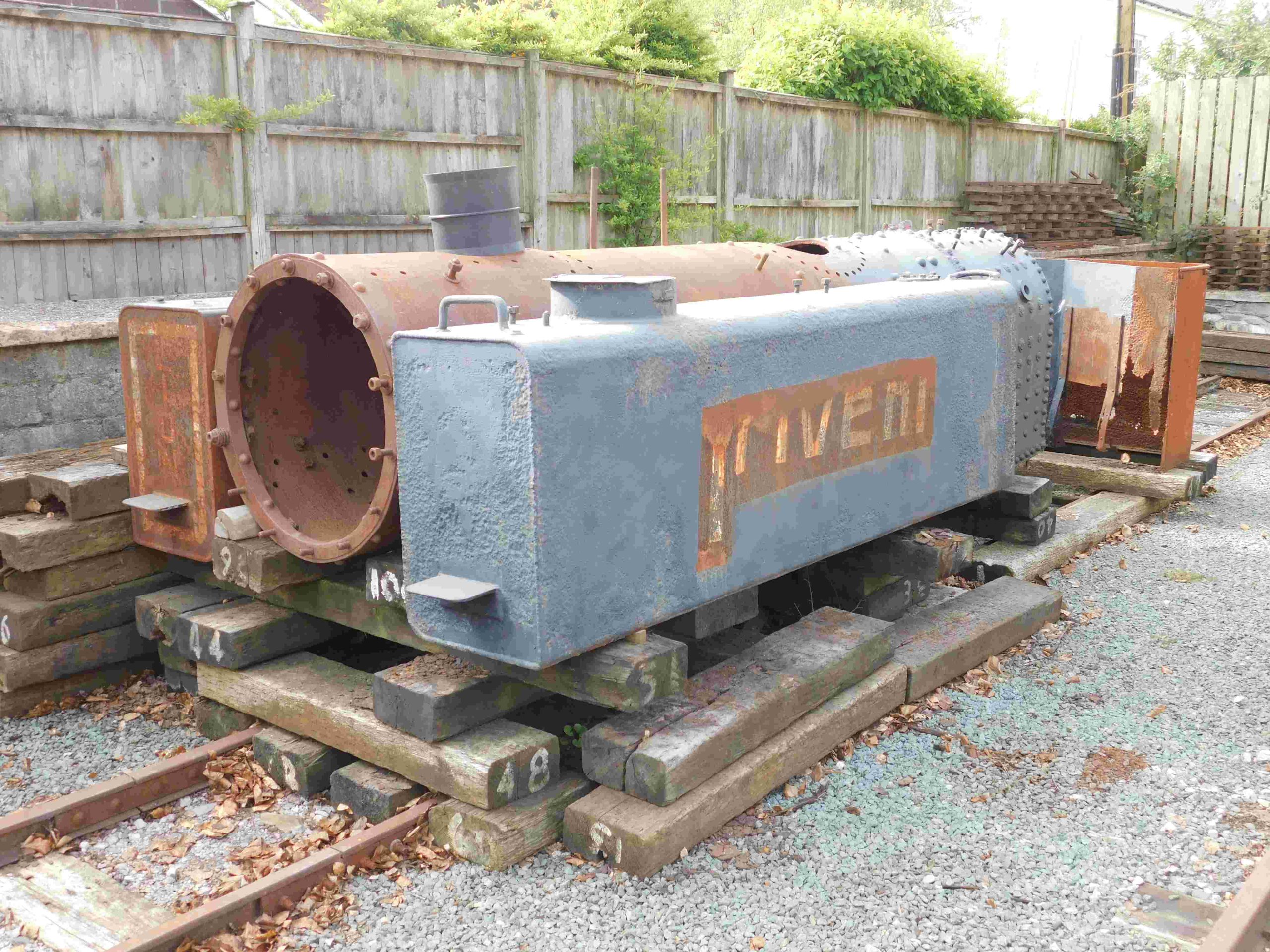
Baldwin WD794 at Glyn Valley Tramway Heritage Museum.

Adjacent to the Glyn Valley Tramway Heritage Museum, housed in the Old Engine Shed at Glyn Ceiriog, is the boiler, bunker and water tanks of a War Department Light Railway Baldwin 4-6-0 steam locomotive. Built in 1917, the Baldwin carried the number WD794 when in military service before export to India for work in a sugar mill, carrying the name Tiger. The sugar mills became part of Triveni Industries whose name is painted on the pannier tank. The locomotive was repatriated in 1985, with ownership eventually passing to the Welsh Highland Heritage Railway, who restored it to working order as WD590. It is intended to use the major components of the Baldwin at Glyn Ceiriog to produce a full-size static model of the Baldwin that worked on the Glyn Valley Tramway between 1921 and 1936.

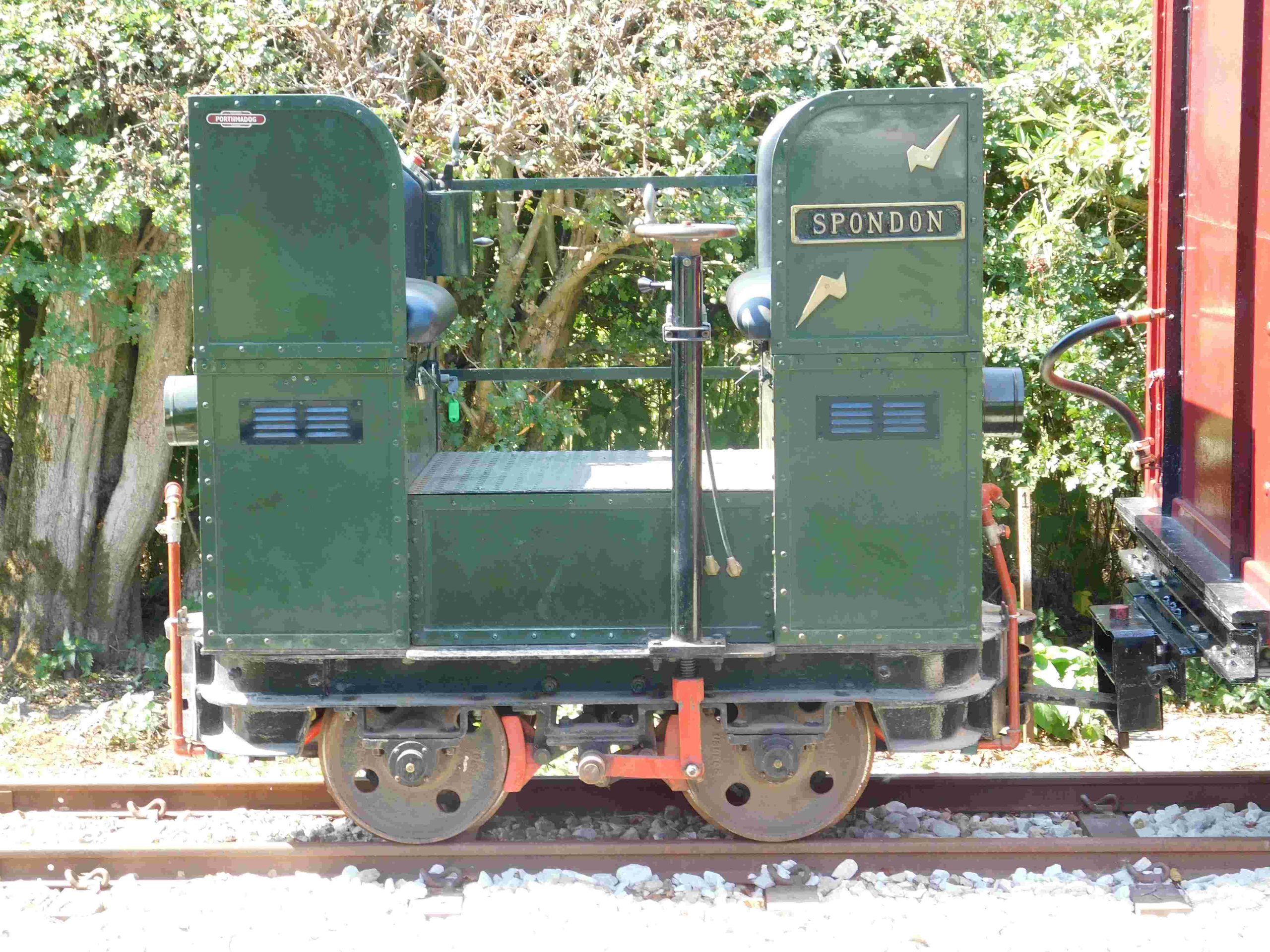
Spondon at Ashover Light Railway.

Spondon is a small battery electric locomotive operated by the Ashover Light Railway Society that is based at the Peak Rail Rowsley South Station site. The unique locomotive was built in 1926 by The Derbyshire & Nottinghamshire Electric Power Company to operate at the Spondon coal-fired power station. Spondon was tasked with the removal of ash from the works and needed to operate on a tightly-curved, restricted site. The locomotive worked for almost 50 years until the closure of the power station in 1972. The Ashover Light Railway Society acquired the vehicle in 2012 and restored Spondon to service in 2017.

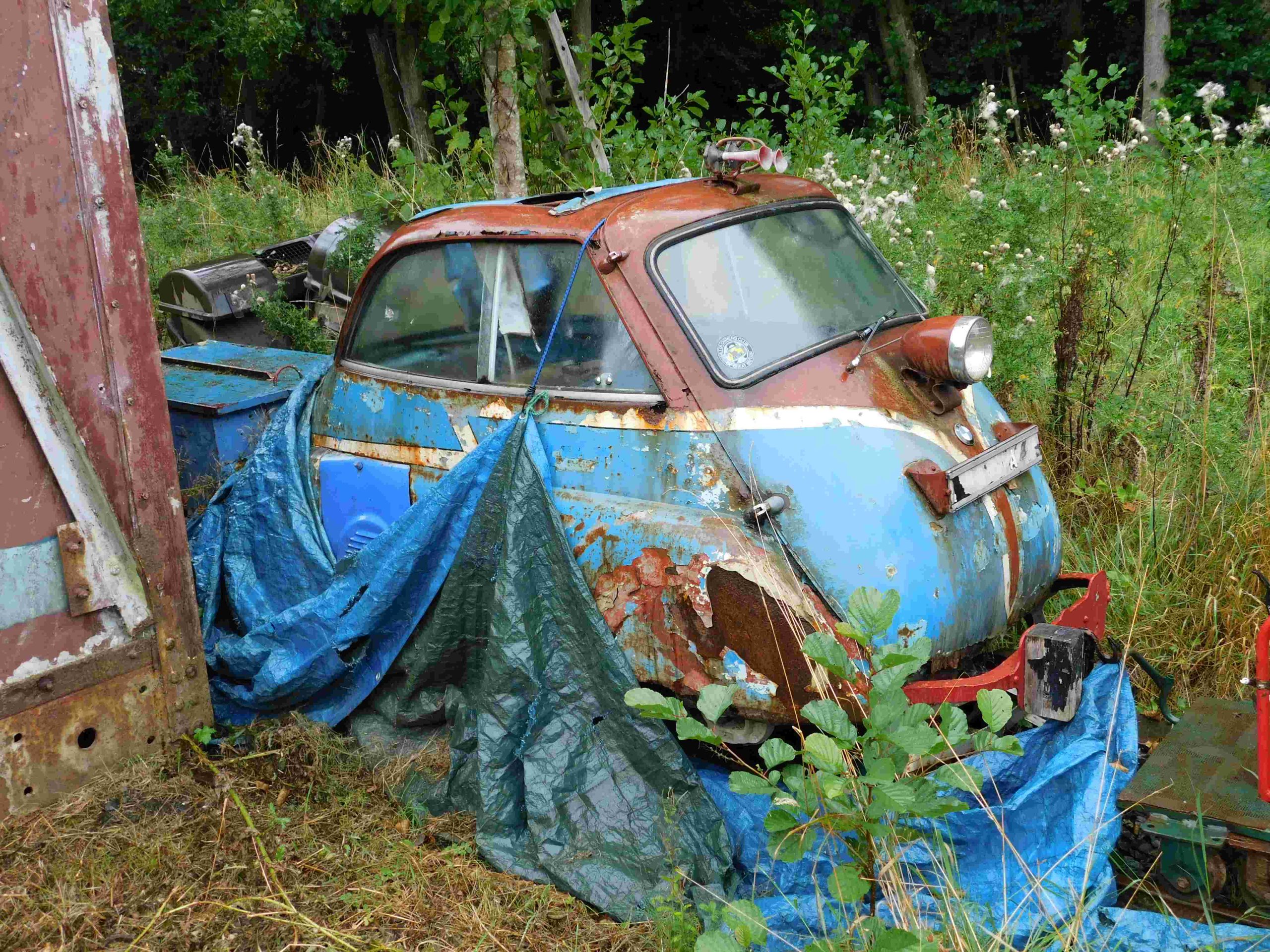
Rail Taxi at Tanat Valley Light Railway.

Since 2018, the Tanat Valley Light Railway at Nant Mawr has been home to the Richard Morris collection of, often eccentric, narrow gauge motive power. Richard Morris began collecting narrow gauge equipment in 1963 and, from 1978 to 1997, his collection was on display at the Gloddfa Ganol Mountain Centre in Oakley Quarry above Blaenau Ffestiniog. A unique item in the collection is a 1957 BMW Isetta bubble car on narrow gauge wheels and bogie, in a 4-2-0 wheel arrangement. Known as Rail Taxi, the bubble car was converted in 1967 and still has the remains of the sign on the front that once read Special.

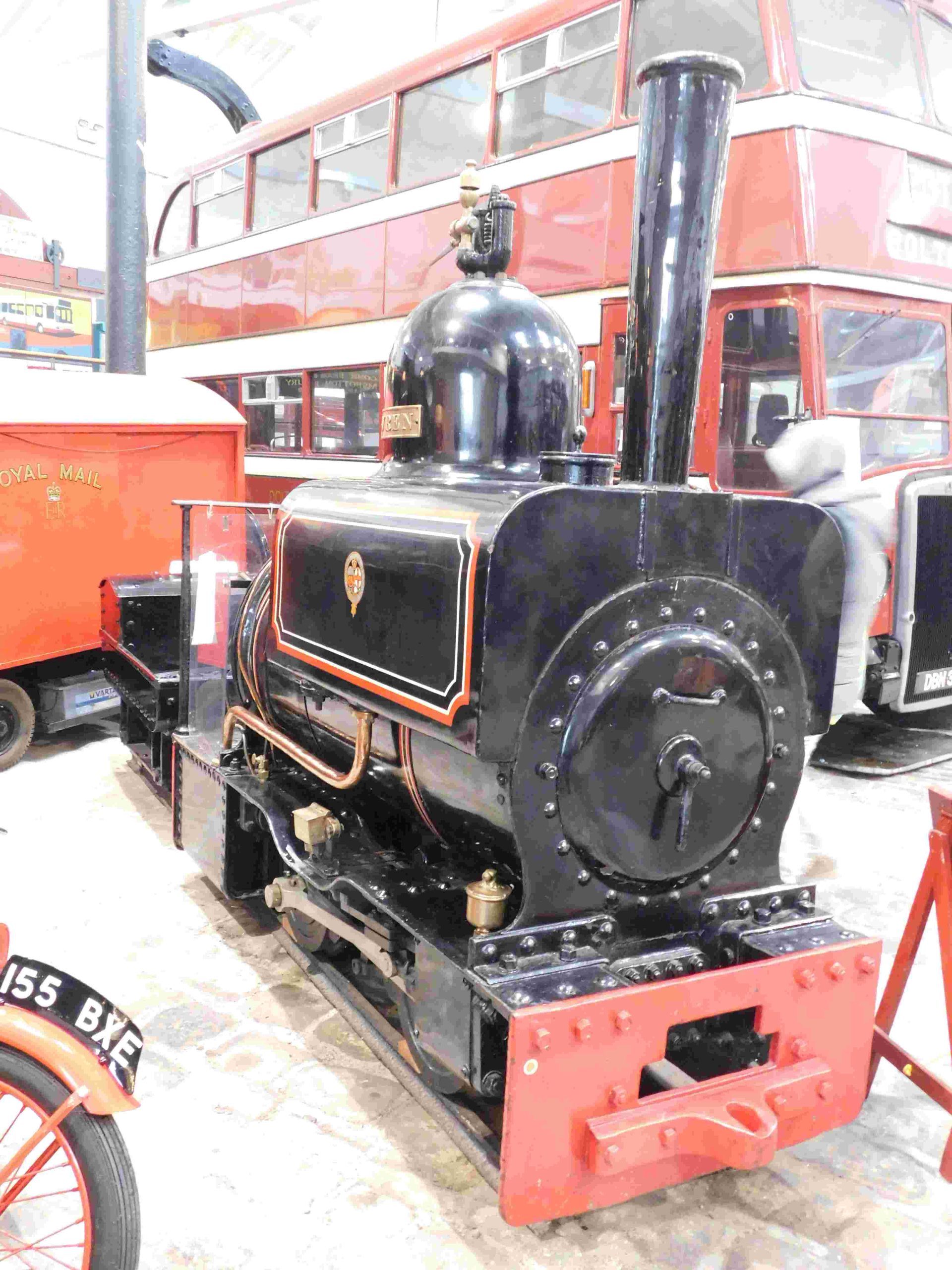
Wren at Bury Transport Museum.


Operating as part of the East Lancashire Railway, the Bury Transport Museum has on display the Lancashire & Yorkshire Railway 0-4-0 saddle tank Wren. Built in 1887 by Beyer Peacock, Wren operated on the internal 18 inch system at Horwich Locomotive Works, that extended for over 7 miles. Two further examples of this type of narrow gauge locomotive were purchased from Beyer Peacock and 5 were built at Horwich Locomotive Works. Wren was withdrawn from service in 1961 and is now part of the UK National Collection of over 280 rail vehicles.

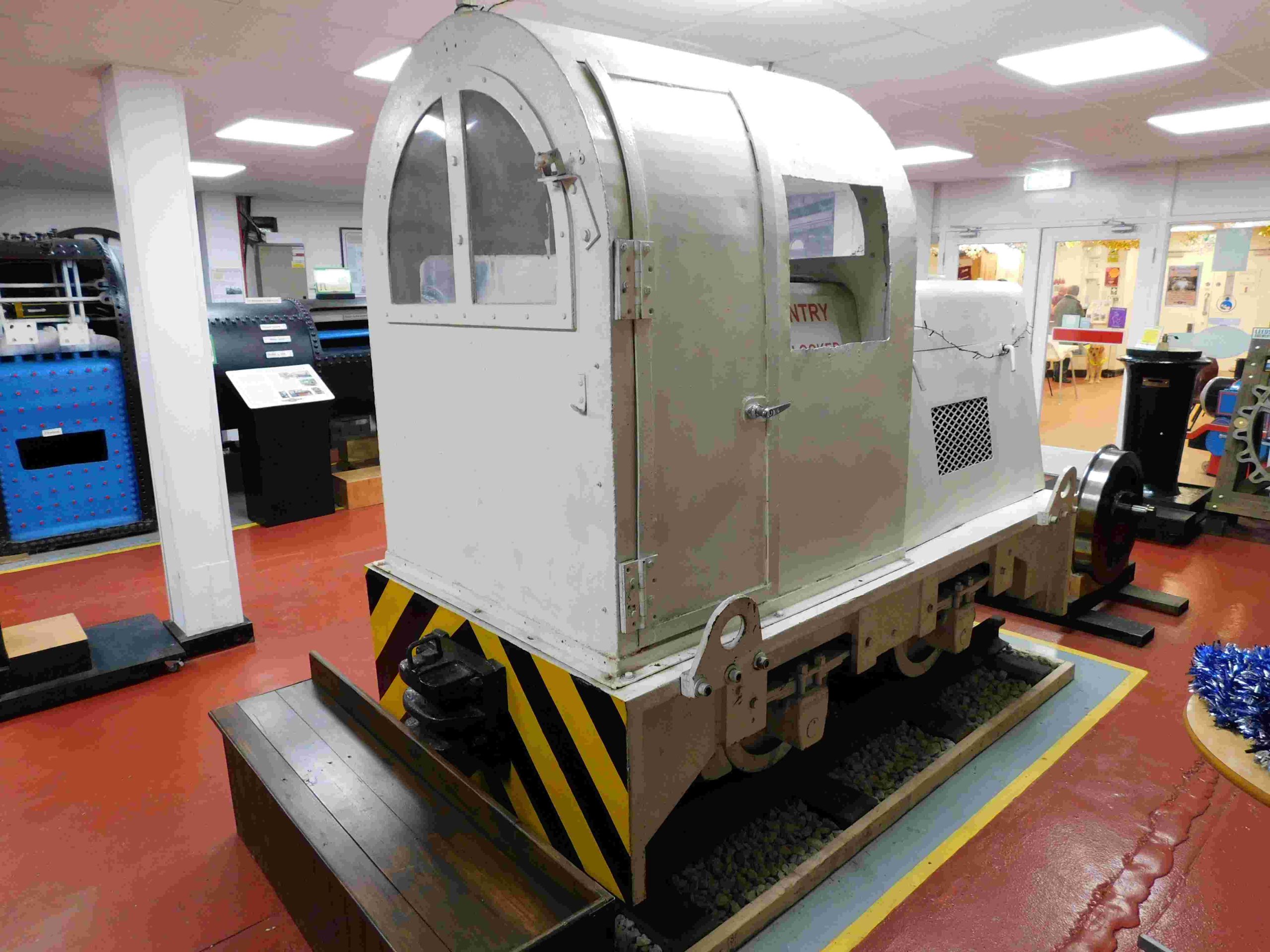
Hunslet 6273 at Middleton Railway.

On static display at the Middleton Railway in Leeds is a Hunslet locomotive on loan from the National Coal Mining Museum at Caphouse. Hunslet 6273 was built in 1965  to the unusual 2 foot 2 inch gauge. The four wheel diesel locomotive was built with a standard cab but, sometime during its working life, a distinct rounded cab was fitted. Hunslet 6273 worked at Darfield and Houghton Main Collieries in Barnsley until their closure in 1990.

Monoloco at Tanat Valley Light Railway.

Narrower than narrow gauge is the monorail steam locomotive Monoloco. In parallel with his narrow gauge collection, Richard Morris acquired an extensive amount of industrial monorail equipment. This included 114 power wagons and 40 trailers, plus 1 ½ miles of track, that is now housed at the Tanat Valley Light Railway at Nant Mawr. In 1998, a monorail steam loco was built by Century Millwright Engineers based on an existing trailer chassis. Double flanged drive wheels, with a wheelbase of 6 feet, are driven by outside cylinders. This 0-1-1-0 wheel arrangement supports the 1 ½ ton locomotive on the modular track. Monoloco has recently been brought back to steam.

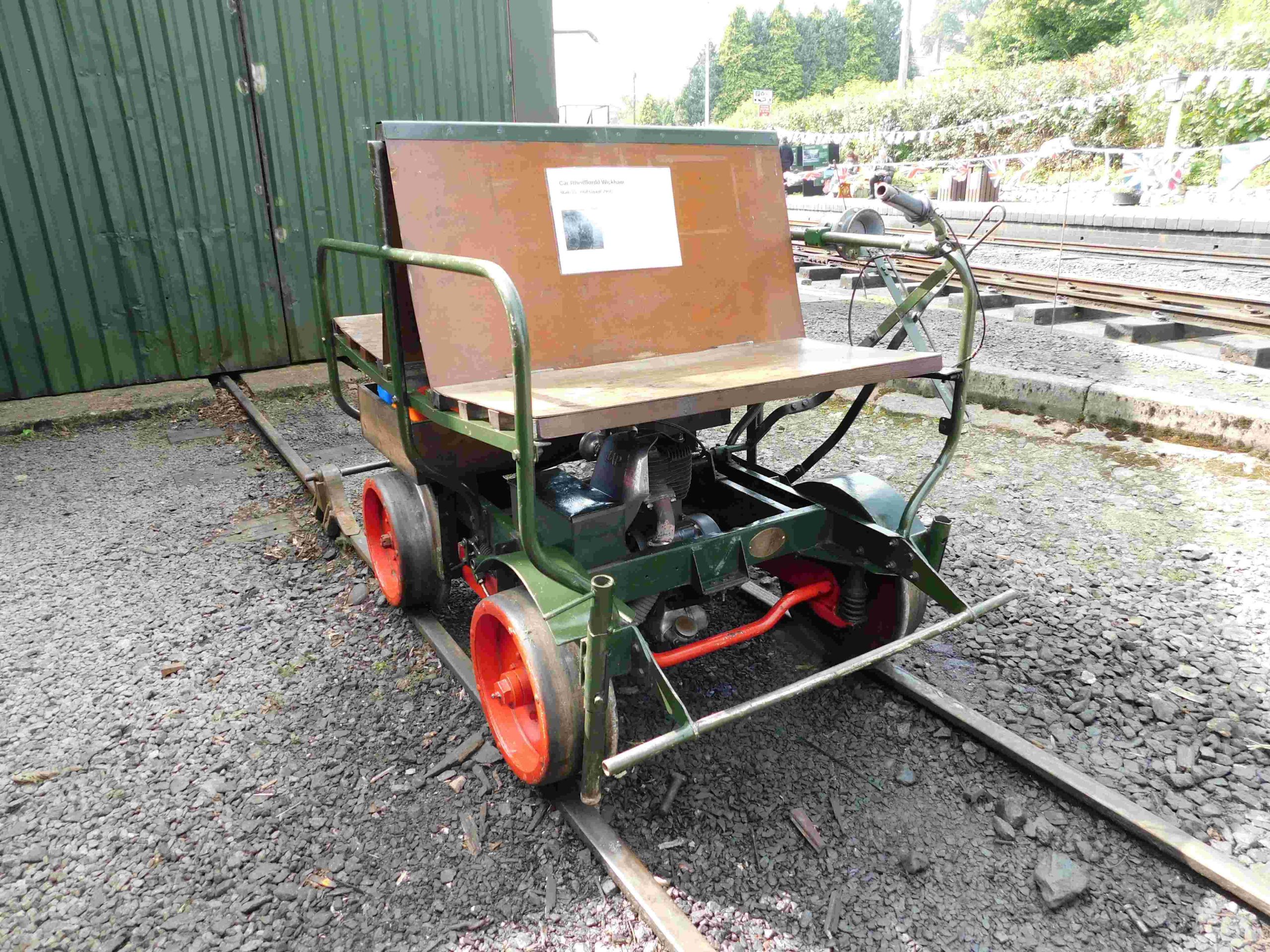
Wickham 2904 at Welshpool & Llanfair Light Railway.

Wickham Type 8S trolley was supplied new to the Welshpool & Llanfair Light Railway in 1940. Wickham 2904 is seen here paused between runs at the 2025 Steam Gala. The trolley was light enough for the track gang to lift it off the rails to allow a train to pass but was speedy enough to move the workmen to distant points on the railway. Wickham 2904 was restored in 1967, the late 1980s and has recently been put back into serviceable condition. The original hand Klaxon Horn is unfortunately lost.

Brick works locomotive at Threlkeld Quarry & Mining Museum.

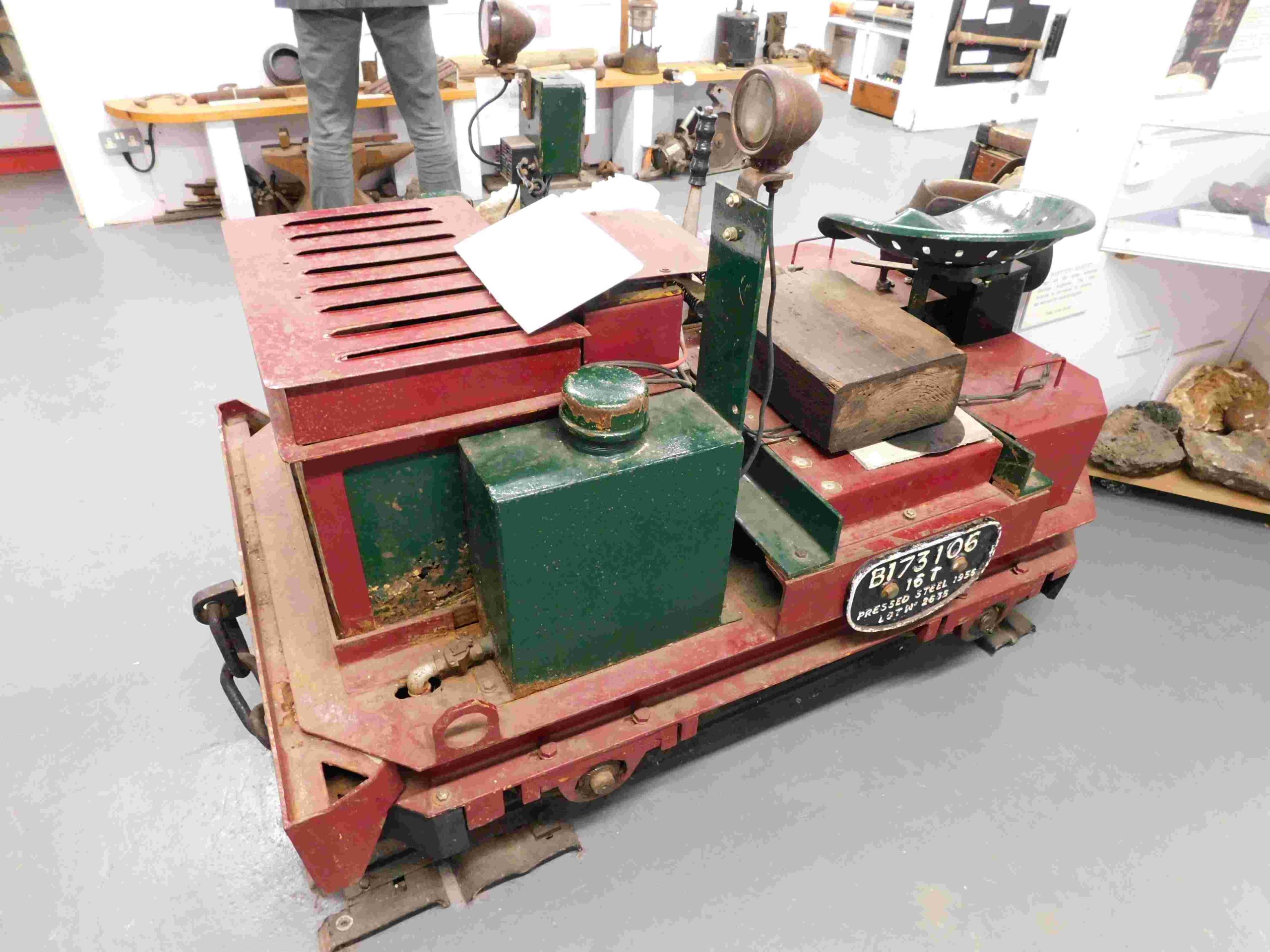
On static display at the Threlkeld Quarry & Mining Museum is a small battery electric narrow gauge locomotive. Surprisingly, the origins of this locomotive are not in the Lake District but in Kent, where it hauled clay wagons at a brick works. The builder of the locomotive is unknown and, looking at the construction, it could well have been fabricated by the fitters at the brickworks. The locomotive carries a large plate B173106 of 1955 which may not relate to the vehicle.

Peter at Steeple Grange Light Railway.


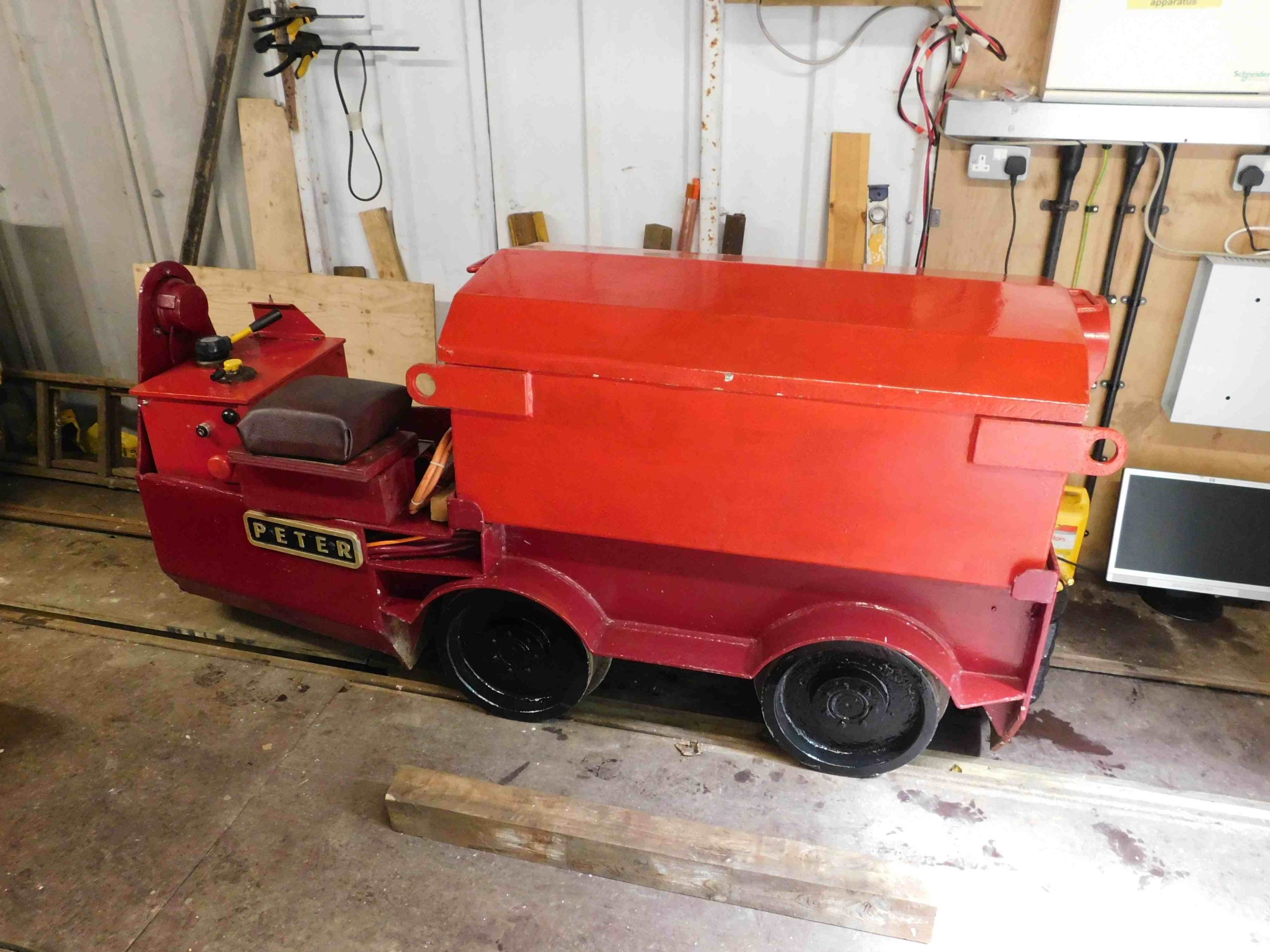
Any of the 18 inch gauge industrial locomotives in the Steeple Grange Light Railway extensive collection would be a suitable quirk or curiosity. Peter is a battery electric tunnelling locomotive built by Clayton in 1975. It is designed to work in a 4 foot diameter sewer pipe with a ‘barn roof’ battery box to maximise the use of space. Accommodation for the driver is somewhat limited when operating the locomotive in such restricted space. After several years on tunnelling contracts, ownership of the locomotive passed to Hunslet Locomotive Hire Ltd. During this period the Clayton acquired the name Lady Margorie before passing into preservation in 2003.

ZM32 Horwich at Steeple Grange Light Railway.

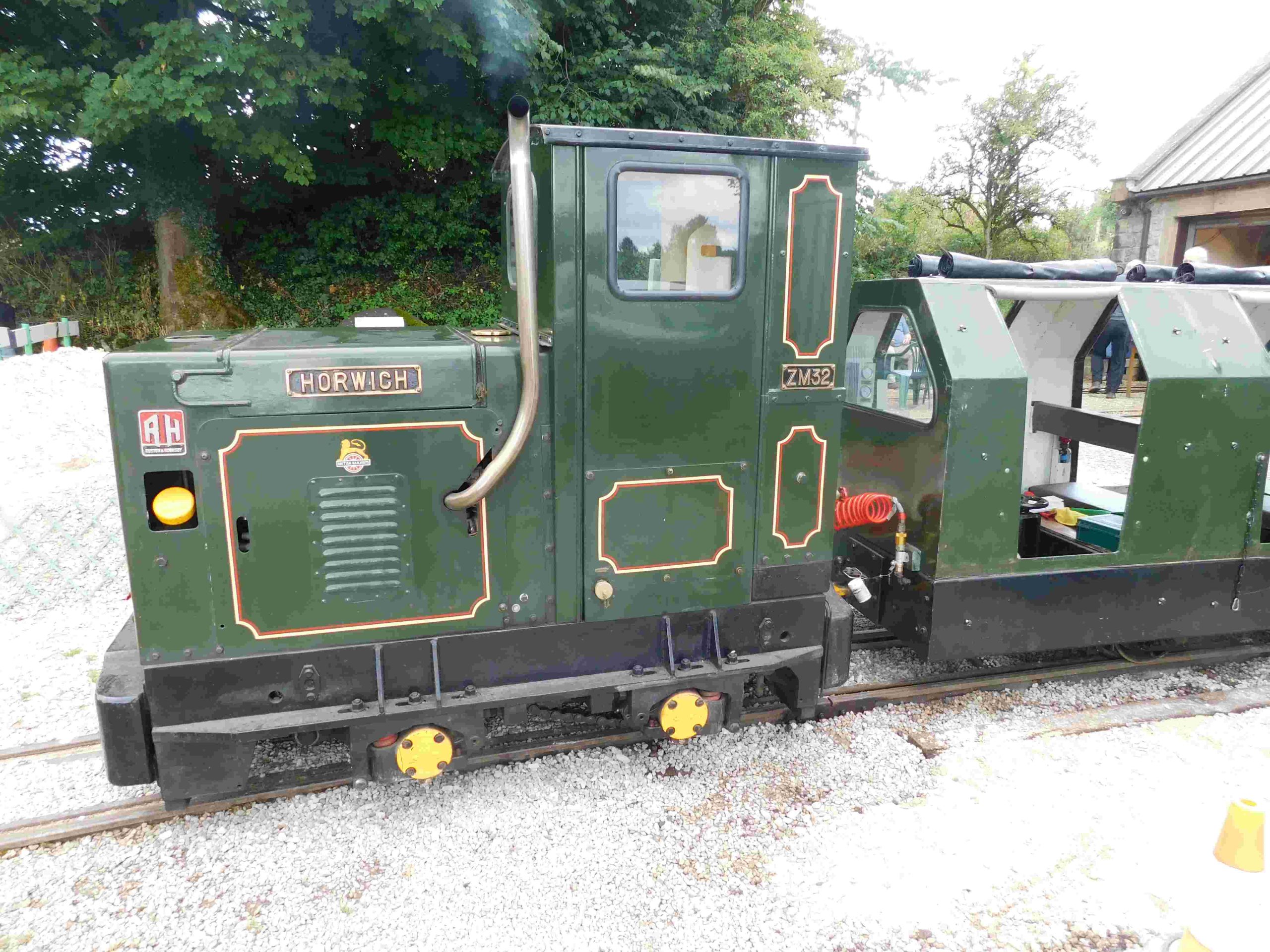
Ruston and Hornsby Horwich was built in 1957 and was the only 18 inch gauge LAT model ever constructed. Purchased by British Railways to replace Wren on the internal railway at Horwich Locomotive Works, the diesel locomotive carried the number ZM32. Horwich worked with a livery of yellow and black stripes for 7 years until the closure of the system. ZM32 entered preservation in 1971 and was acquired by the Steeple Grange Light Railway in 1998. Being in British Railways service, ZM32 appeared in the Ian Allan locomotive books between 1957 and 1965. It was often the last, or missing, ‘tick’ for loco spotters as it operated away from public gaze.