On the other side of Woodhead, just over two miles from Yorkshire, was a narrow gauge railway that operated for almost one hundred years between 1871 and 1968.
The 3 foot gauge railway was owned and operated by Manchester Corporation Water Works who later became the North West Water Authority. During its long history, the railway used steam, overhead electric and diesel traction at various times. The railway started a few hundred yards away from my front door and ran to the foot of the Woodhead Dam at Crowden.
At the dawn of the Victorian Era, Longdendale was a hive of civil engineering activity. From 1838, the Sheffield, Ashton-Under-Lyne & Manchester Railway was building a line along the southern flank of the valley. When the railway opened in 1845, the Woodhead tunnel was the first trans-Pennine tunnel and one of the longest railway tunnels in the world. At the same time, the newly formed Manchester Corporation had plans in hand to build a chain of reservoirs to supply drinking water to the city. The reservoirs were built between 1848 and 1877 to form the largest man-made body of water in the world at the time.
However, all was not well with the highest reservoir as a persistent leak threatened to undermine the dam. As a result, in 1870, a start was made on building a second dam wall immediately in front of the original one and infilling the space between. The first plan was to use the mainline Woodhead route, then operating as the Manchester, Sheffield & Lincolnshire Railway, to bring in clay to the construction site adjacent to Crowden station. While excavating the lowest reservoir, suitable clay was found and it was decided to build a private light railway to transport the clay along the length of the valley.
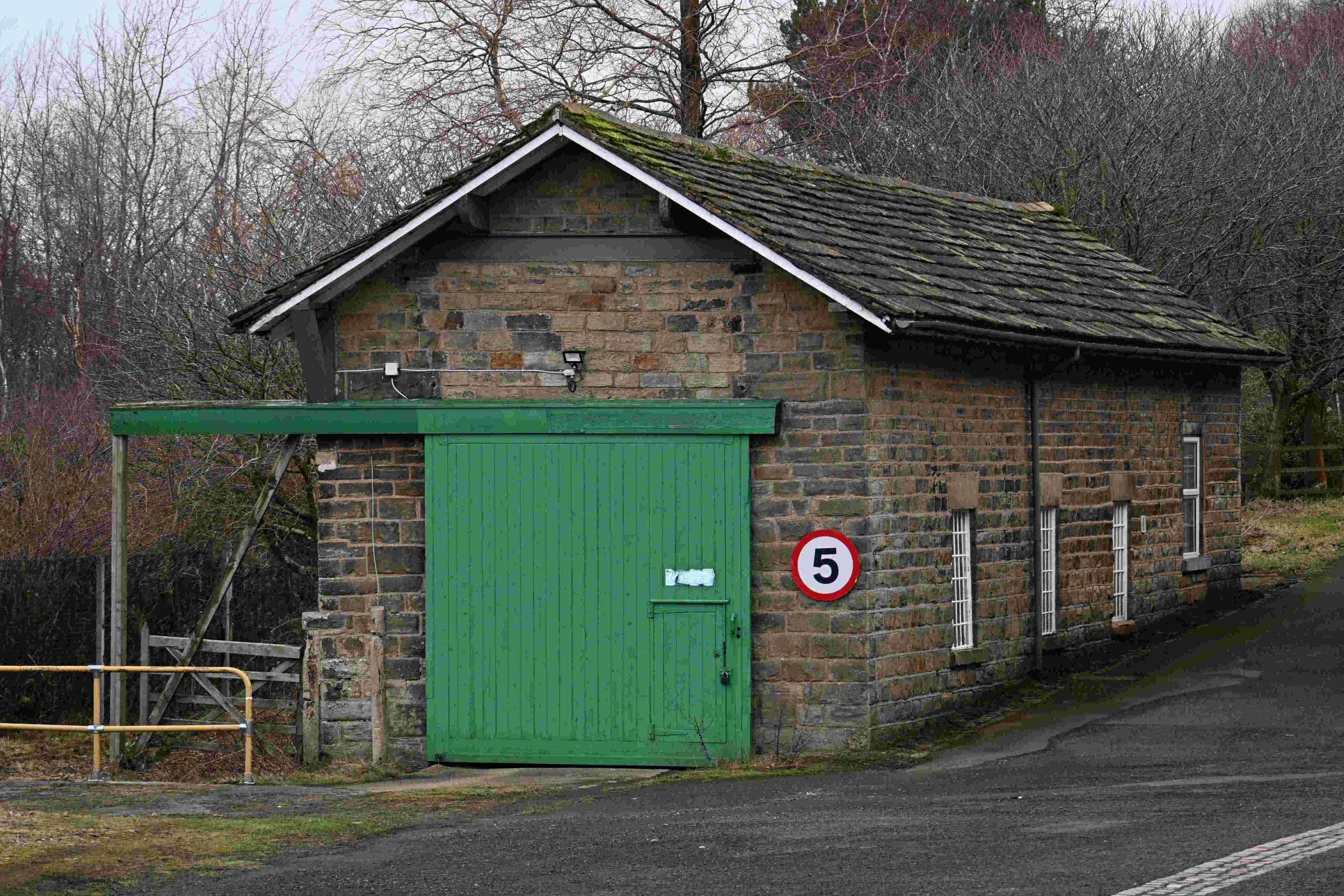
1870s engine shed at the start of the railway in the Waterworks Yard at Tintwistle.
A gauge of 3 foot was chosen and 40 wagons plus a steam locomotive were ordered. The railway formation was, from the first, built as a more permanent structure than the temporary horse-drawn lines already in use in the reservoir construction. The first 0-4-0ST locomotive on site in 1871 was supplied by Sharp Stewart, then of Manchester, followed in 1872 by an 0-4-0T from Henry Hughes of Loughborough. In addition to moving vast amounts of clay, the railway transported over 100 men to the construction site at Woodhead dam every day. The morning service train acquired the local name of Paddy Mail.
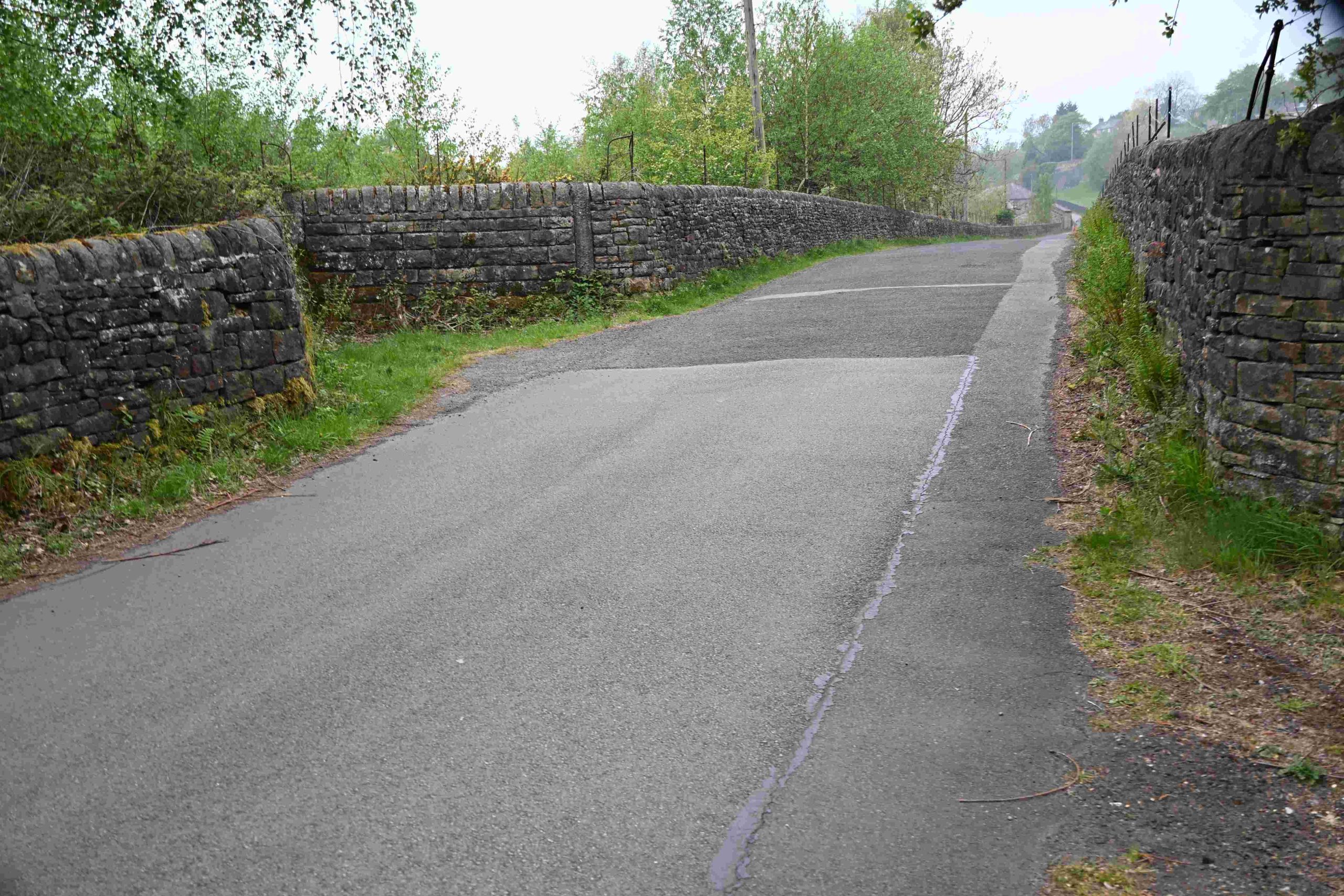
Level crossing on the exit from the Waterworks Yard. Until a pipe was recently laid along the right-hand side of the road, the rails were still in place below the tarmac.
On completion of the replacement dam in 1877, the original Sharp Stewart locomotive was disposed of, leaving the Henry Hughes locomotive to work a much reduced service. Subsequently, by 1882, increasing maintenance issues with this locomotive led to a replacement secondhand Hunslet 0-4-0ST being acquired. This carried the name Bateman after John Frederick Bateman, the chief engineer, who has been called the greatest dam builder of his generation. The railway became known locally as simply the Waterworks Railway and continued to carry men and materials for maintaining the reservoir infrastructure.
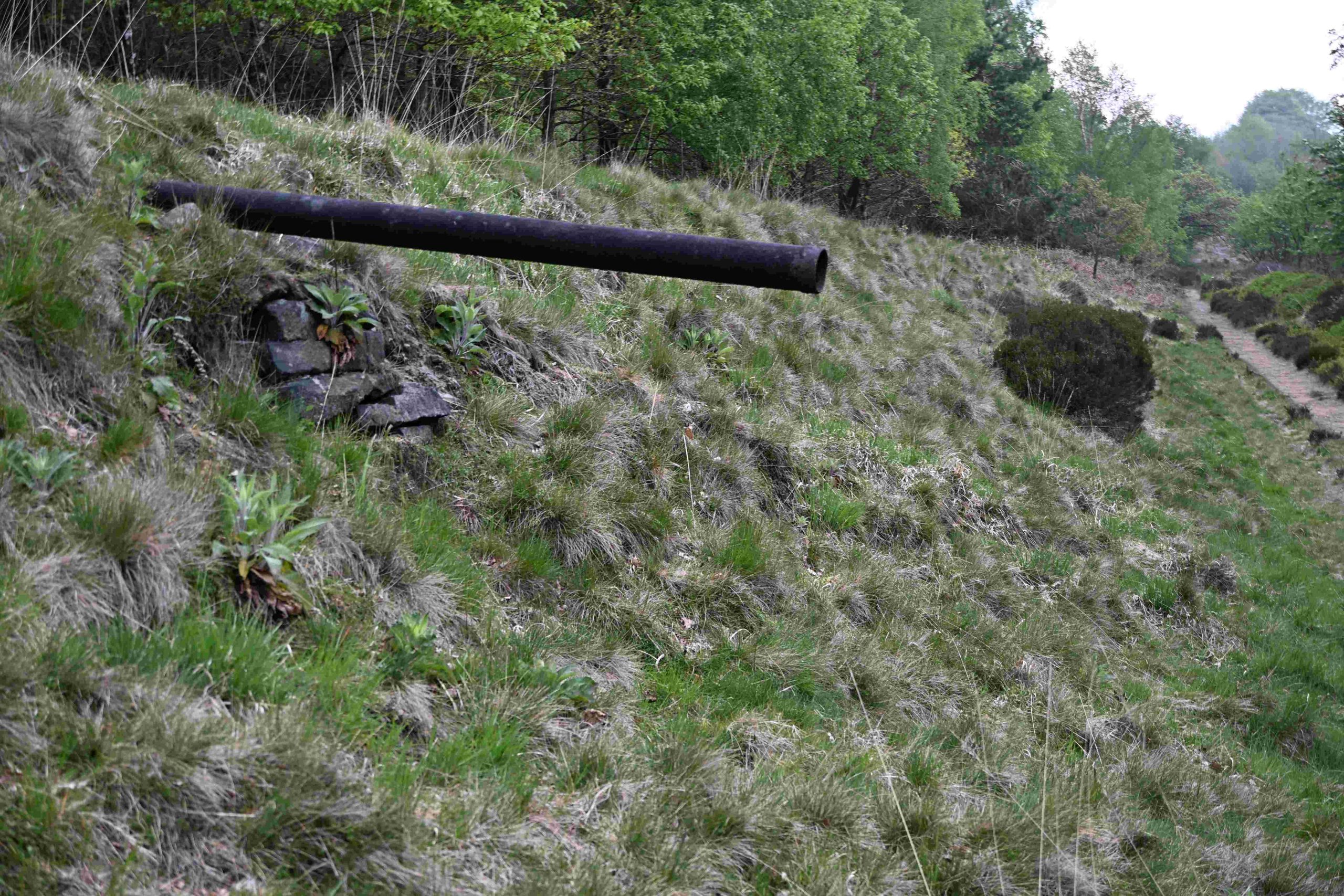
Water pipe near Rhodeswood Reservoir that was used to replenish the tanks of the steam engines.
In 1904, the Waterworks Railway was electrified, in two stages, using overhead wires. This was some 50 years before the electrification of the mainline Woodhead route across the valley. A power house for the Waterworks Railway was built at the base of the lowest dam, close to the start of the railway, using water discharged into the River Etherow to turn a turbine and generator. The power station operated until 1938, after which electricity was bought in from the local electricity board. The motive power was a four wheel, steeple cab locomotive built by Ellis Ward of Birmingham using Westinghouse electrical equipment working at 500V dc.
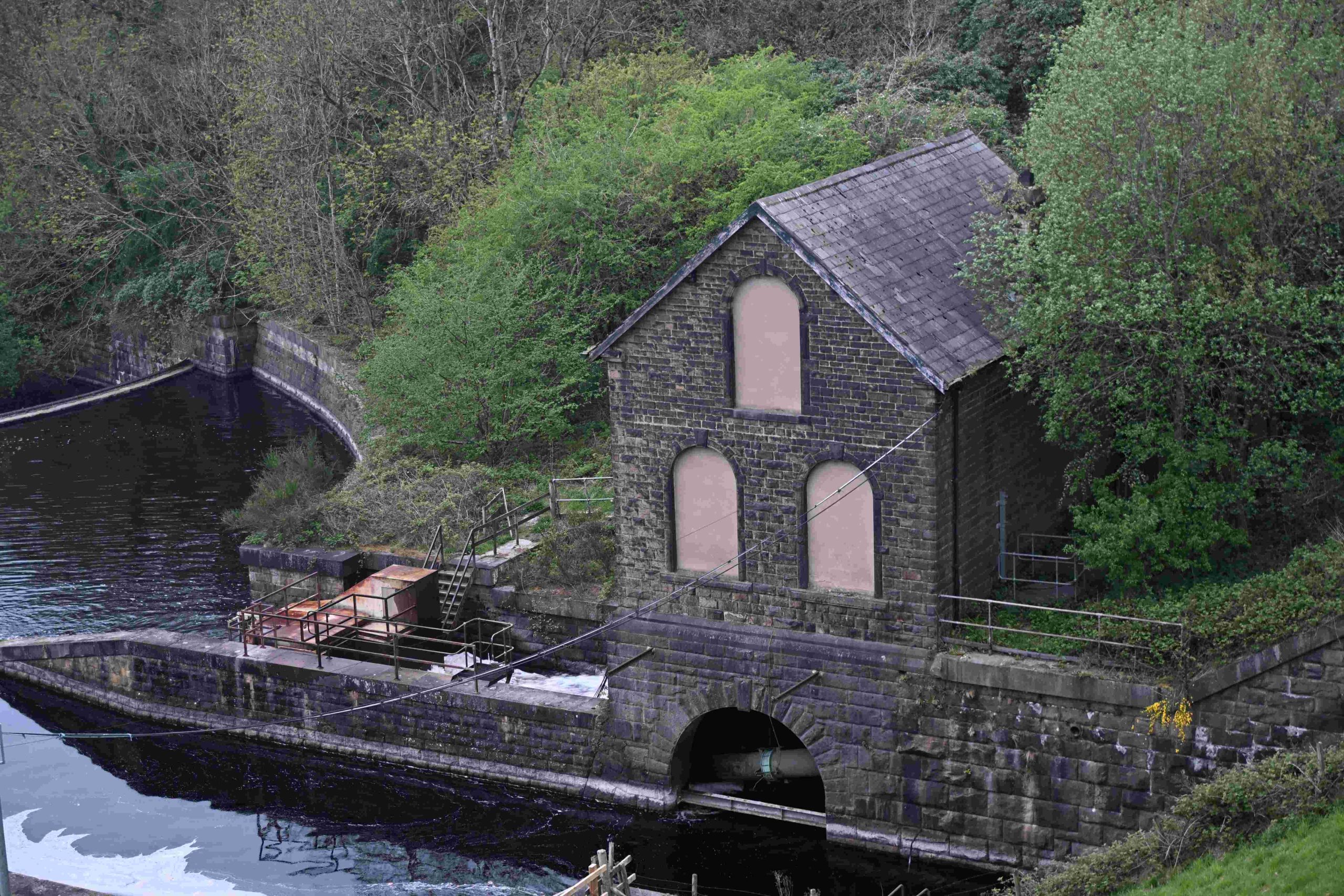
The power house at the foot of the lowest dam. Since 2000, the power house has been re-equipped as part of the Longdendale micro-hydro scheme.
The new electric locomotive was named Harwood after Alderman Sir John James Harwood who was described as the most far sighted public servants that Manchester had ever known. The electrification relegated Bateman to occasional use until 1927. None of the Waterworks Railway locomotives survived into preservation with most being scrapped on site. The Hunslet Bateman of 1878 was very similar to the Hunslet Lilla of 1891 that now resides at the Ffestiniog Railway. Wheelbase, weight, and cylinders were among the dimensions that were alike but Bateman was of a domeless boiler design and had more rudimentary weather protection for the driver.
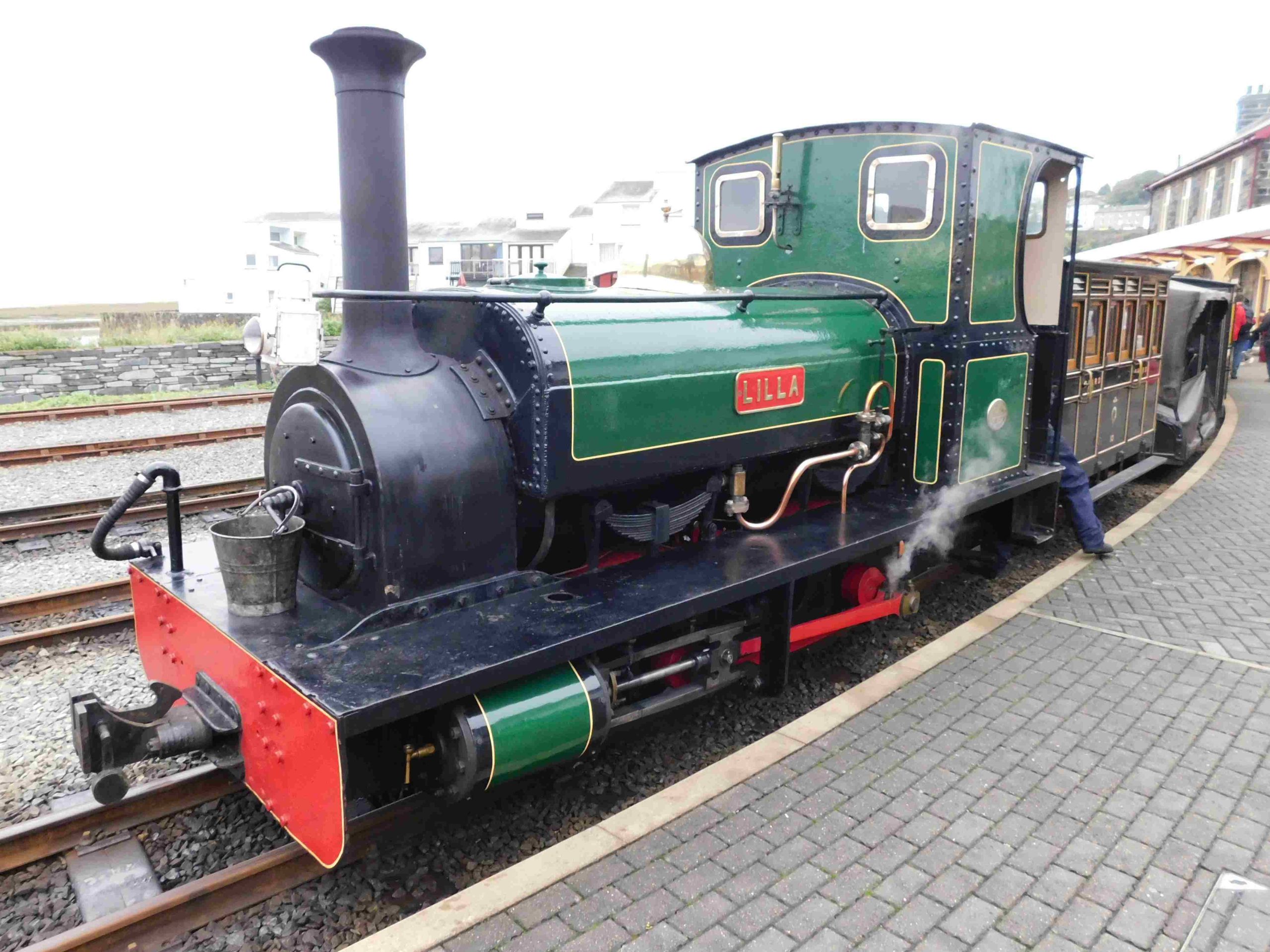
Lilla at Harbour Station on the Ffestiniog Railway.
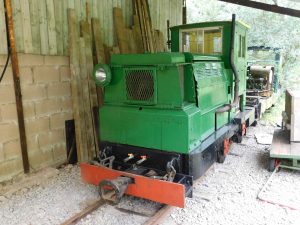
In 1949, a new diesel locomotive arrived at the Waterworks Railway. This was a Ruston & Hornsby type 48DL. Being an early member of this class, the locomotive had slope-sided bodywork around the 48 horsepower diesel engine. To work on the 3 foot gauge of the Waterworks Railway, the frames were wider than normal and had visible extensions, called outriggers by Ruston & Hornsby, bolted on the sides. The diesel took over from Harewood the following year and all of the overhead electrical equipment was removed by 1954 when the electric locomotive was dismantled with the frames and bodywork being reused.
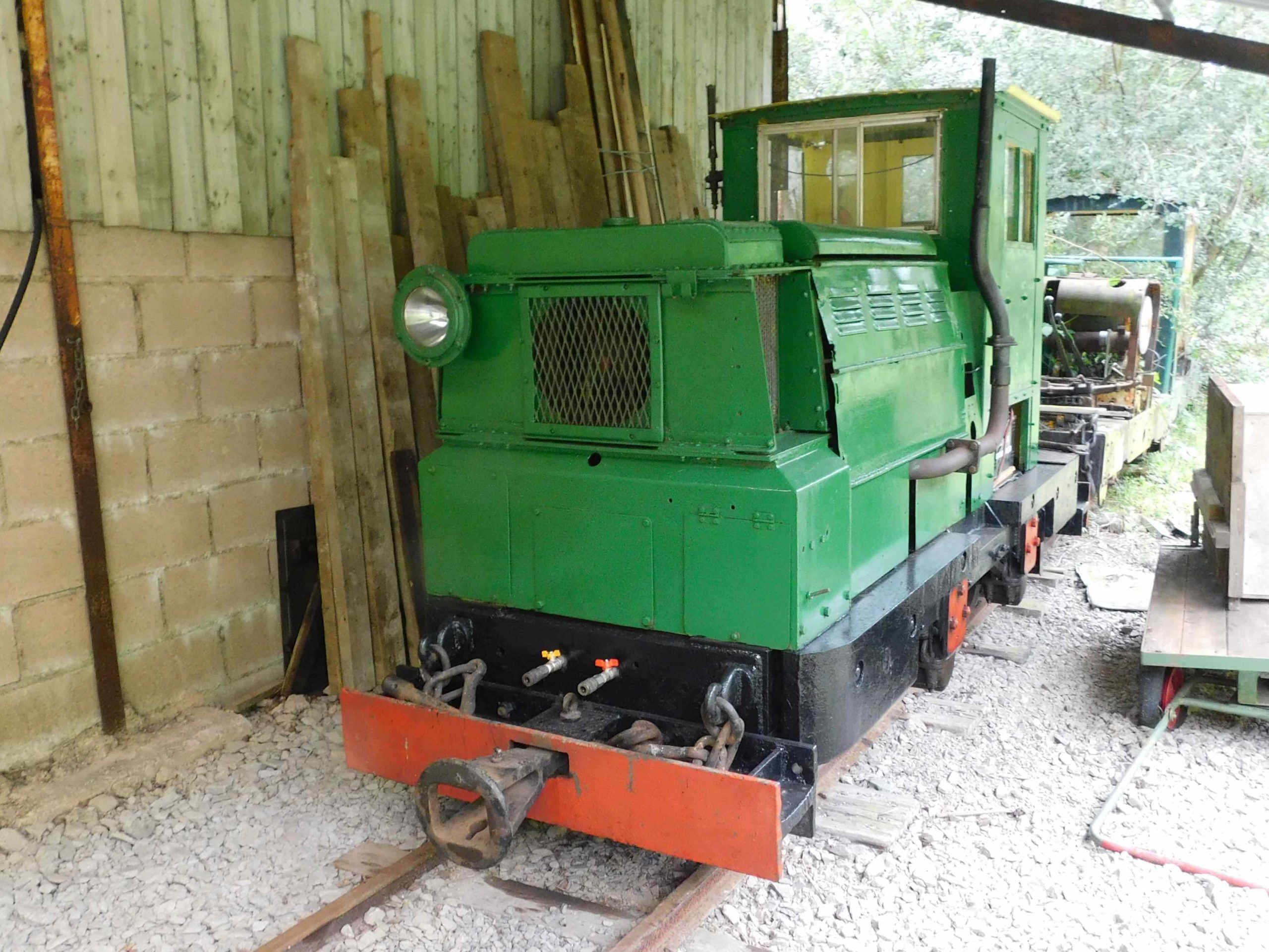
Ruston & Hornsby 48DL at the Threlkeld Quarry Railway.
The body from Harwood survived for many years as a shelter for reservoir workmen and the frames were used to make a crew van that survived until the end of the railway. My next door neighbour remembered using this vehicle in the early 1960s; draughty, crude wooden seats and a harsh ride behind the diesel. The Ruston & Hornsby locomotive worked until 1968 when, the then infrequent, operations on the railway ceased and it was scrapped on site the following year. However, 40 other Ruston & Hornsby 48DLs have survived into preservation including an example at Threlkeld Quarry Railway.
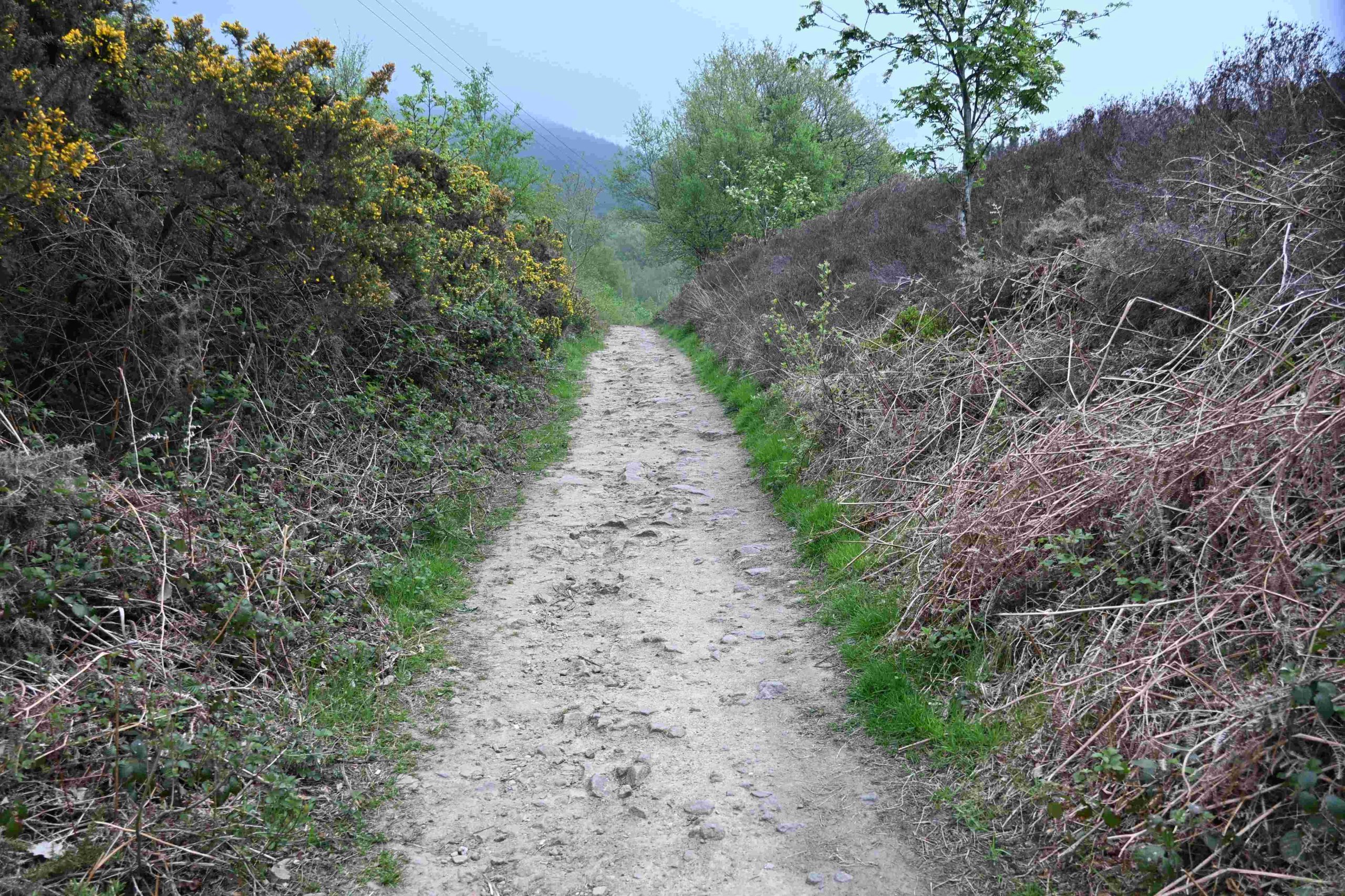
Railway cutting on the climb from Valehouse Reservoir to Rhodeswood Reservoir.
The Ruston & Hornsby 48DL was arguably one of the most successful classes of narrow gauge diesel locomotives in the UK with 1127 examples being built. The Threlkeld Quarry Railway 48DL was one of six that worked at the Royal Navy Armaments Depot at Broughton Moor in Cumbria. Originally build to 2 foot 6 inch gauge in 1947, the locomotive was regauged to 2 foot in 1994 when it entered preservation at Threlkeld. Other preserved examples of the 48DL locomotive operate on the Welsh Highland Heritage Railway, Apedale Valley Light Railway and the Purbeck Mining Museum at the Swanage Railway.
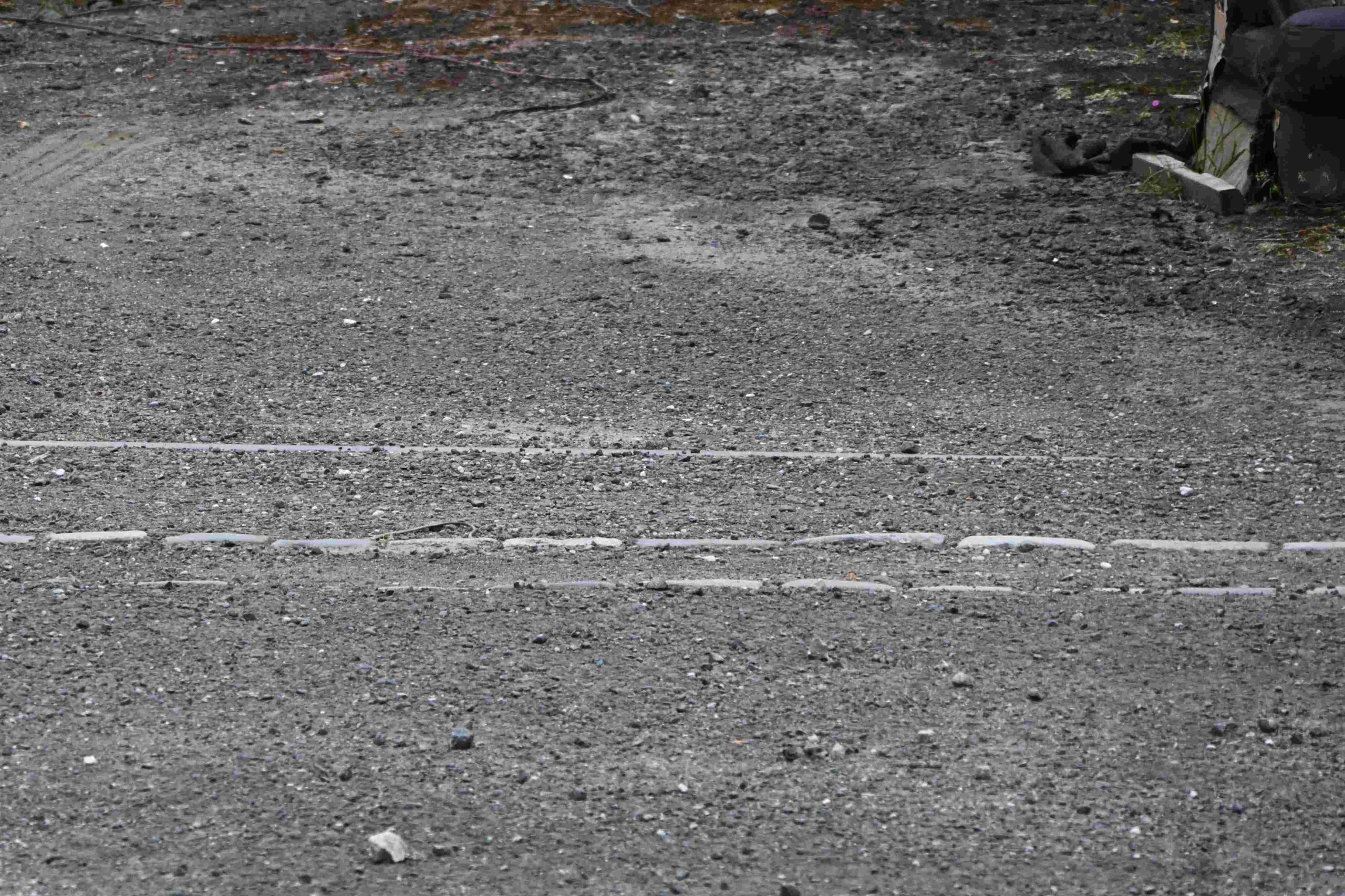
A section of track still visible in the Waterworks Yard.
The Waterworks Railway was lifted in 1969 bringing to an end almost 100 years of service but one length of track remains embedded in the Waterworks Yard. Other lengths were salvaged to build stiles or used to reinforce culverts on moorland tracks. The trackbed is still extant and partly accessible as a footpath. The engine shed still stands and has recently been a base for the Peak Park Ranger Service. The water pipe used to top-up the tanks of the steam locomotives with stream water is in place about halfway along the route. Bridge abutments are still extant at two locations on private land and, until recently, one road crossing had track embedded in the roadway.
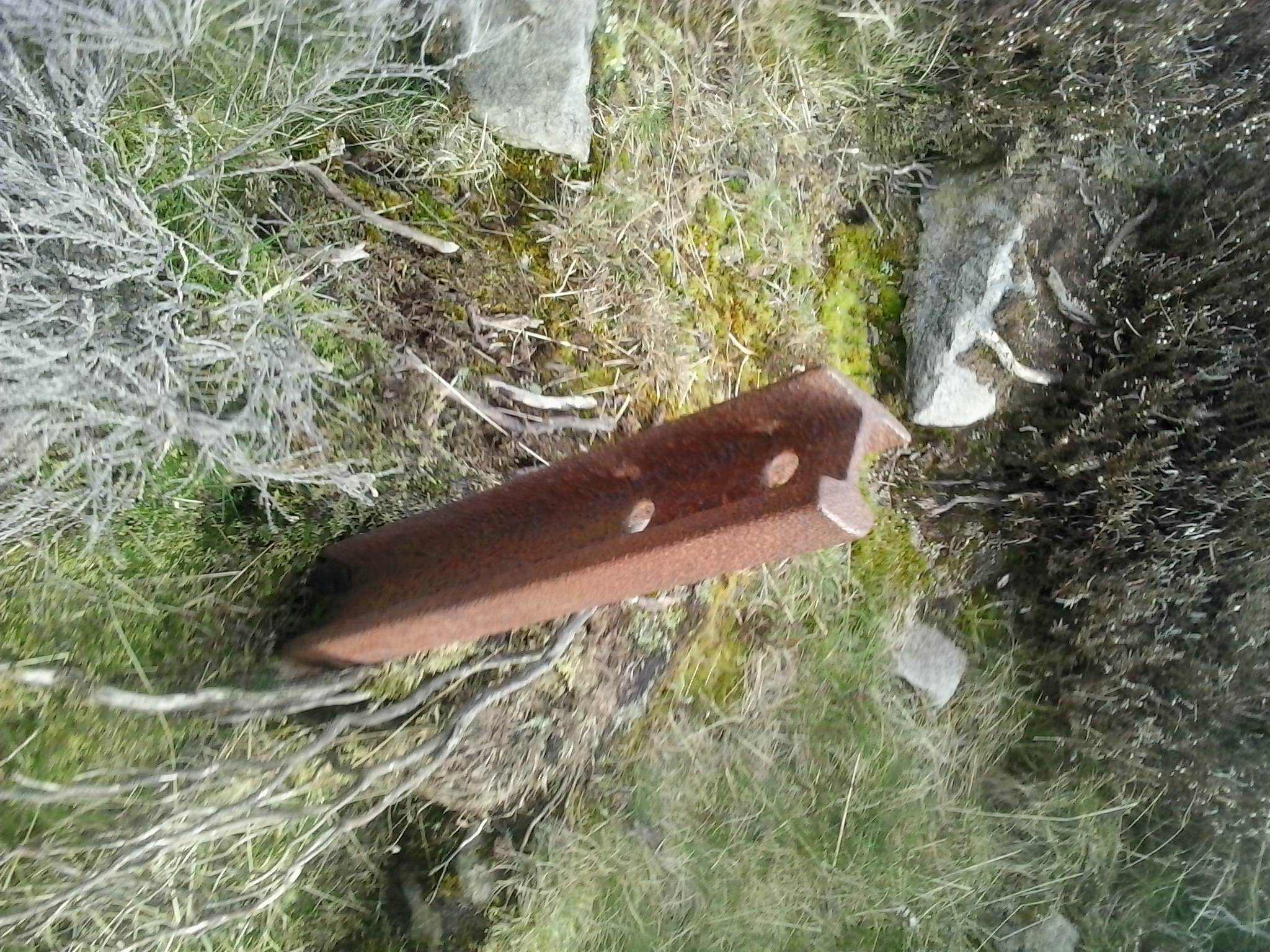
One of the lengths of rail used to reinforce culverts on a moorland track.
Further Reading
Reservoir Railways of Manchester and the Peak by H. D. Bowtell. Published by The Oakwood Press in 1977.
The Manchester Corporation Waterworks Railway in Longdendale by R. Nicholls and M. Swift. Published by The Narrow Gauge Railway Society in 2022.